
Davis College News + More


FIRST PERSON

NOTED
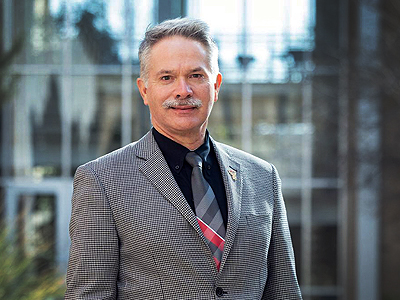
Matthew Barnes
NRM leader named Texas Academy of Science Fellow

WELL DONE
Noureddine Abidi
Davis College Dean for Research joins 2024 Class of NAI Senior Members

ADVANCING
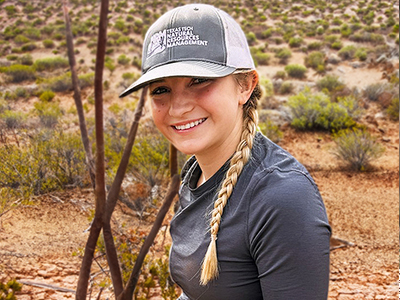
Kerry Griffis-Kyle
TTU Board of Regents announce promotion of NRM wildlife ecologist
Connect With Us





RIGHT NOW
- Simpson presented Cross-Disciplinary Research Excellence Award
- Dairy Products Institute’s College Recruiting Fair Set for Apr. 27
- Davis College Distinguished Alumni & Outstanding Young Alumni Honored
- ‘Donut Forget to Study for Finals’ Day Returns to Texas Tech Dairy Barn
- Dept. of Landscape Architecture Launches Extended Reality Expo
- AFS’s Kristin Hales Wins OSU Graduate of Distinction Award
- AAEC’s Devadoss Tapped for Barnie Rushing Distinguished Research Award
- AEC’s Gibson Receives 2024 TTPA Faculty Distinguished Leadership Award
- Long-Haul; Davis College Faculty, Staff Recognized for Length of Service
- NRM’s Crawford Reaping Benefits of Her Undergraduate Research Program
- Wool Judging Team Wins National Championship; Third Title in Four Years
- Davis College Students Bring Home Honors from Chicago MANRRS Meeting
- TTU Mailbag: Detailing Davis College’s ‘The Pursuit of Prime’ Initiative
- Adedeji, Akumu shine in Texas Tech Graduate Student Poster Contest
Davis College NewsCenter
-
Address
P.O. Box 42123, Lubbock, Texas 79409-2123, Dean's Office Location:Goddard Building, Room 108 -
Phone
(806)742-2808 -
Email
kris.allen@ttu.edu