
Interpreting, Understanding, and Improving the Human Condition
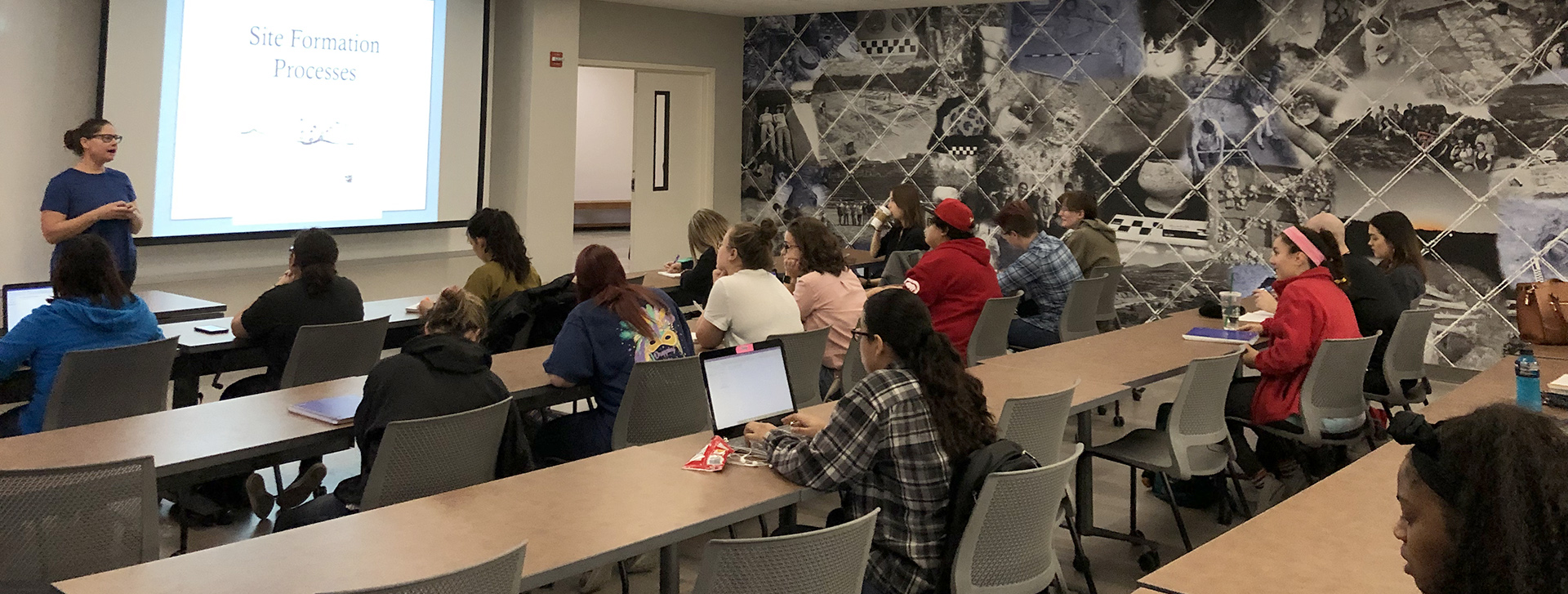
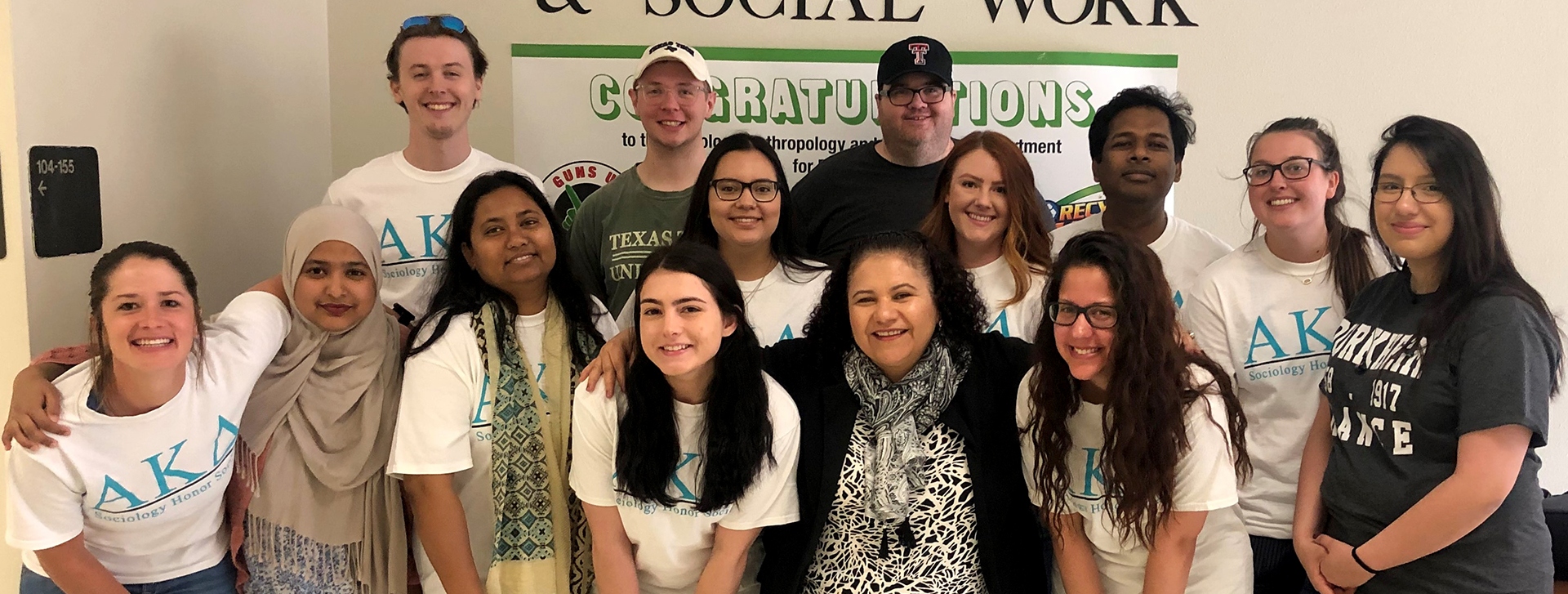
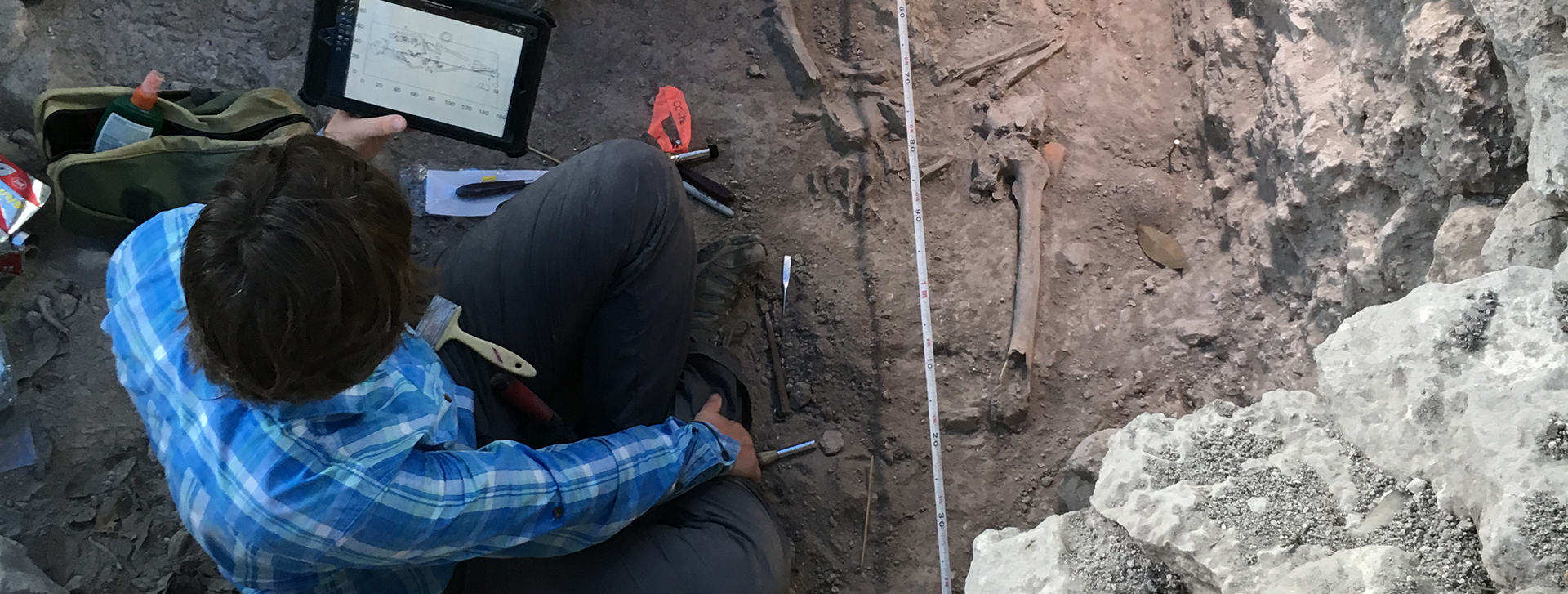
Welcome to the Department of Sociology, Anthropology, and Social Work. Our programs prepare students to be responsible citizens and effective communicators in a global society, armed with the knowledge and skills to interpret, understand, and improve the human condition. Sociology includes all aspects of people's social behavior in many different types of settings. Its goal is to advance our understanding of the interrelations of culture, community, organizational and socioeconomic structures, personal relations, and individual identities in our rapidly changing and increasingly globalized social world. Anthropology studies all aspects of culture across time and space, taking an integrated view of humanity from its deep past to diverse modernity. It is committed to investigating and explaining the diversity of ancient and modern human cultures and societies. Social Work is dedicated to partnering with people to create change. It trains its students to use self-awareness and sensitivity to the plight of humankind to promote social justice within our interdependent global community.
Undergraduate Programs
Our department offers a Bachelor of Arts (BA) degrees in Anthropology, Criminology, Sociology, and Social Work. Sociology BA students also have the option of a concentration in Criminology. Anthropology BA students may choose a concentration in Forensic Anthropology. We also have minors in Anthropology, Sociology, and Social Work. Criminology is not offered as a minor.
Graduate Programs
Master of Arts (MA) degrees in are offered in Anthropology, Sociology, as well as a Master of Social Work (MSW) degree.
We invite you to explore our website and learn more about our degree programs, our faculty, our research, and the opportunities we offer students at home and abroad.
How You Can Help
Did you know that you can support SASW's programs and mission with a tax-deductible contribution to one of our scholarship funds? And, did you know that the College of Arts and Sciences is Unmasking Innovation with its first ever fund raising campaign?
Location
Our main office is in Holden Hall 158.
Our USPS mailing address is:
SASW Department
Texas Tech University
Box 41012
Lubbock, TX 79409-1012
Our UPS or Fedex address is:
SASW Department
Texas Tech University
Holden Hall 158
1011 Boston Ave.
Lubbock, TX 79409
Other Information
SASW News
SASW Sociologist Ori Swed and recent MA graduate Muhammad Ridwan published an article on collaboration in terrorist organizations.
SASW Sociologist Brandon Wagner quoted in recent NY Times editorial on demographic divides between "red" and "blue" America.
Undergraduate Kaitlin Murphy and SASW Anthropologist awarded research funding from the College of Arts and Sciences' Undergraduate Research Experience Program.
Recent work by SASW sociologist Brandon Wagner featured on CNN, US News, and Newsweek.
Bison Death Plunge! Field school run by SASW anthropologists Brett Houk and Tamra Walter featured in Texas Parks and Wildlife.
Anthropology students recognized for their work at Fort Stockton. Check it out here!
Listen to Ori Swed, SASW Sociologist discuss his recent work on terrorism and military security companies.
Jeff Patterson will discuss conspiracy theories with call-in listeners next Tuesday (5/16) at 6pm.
SASW Sociologist Brandon Wagner discusses how COVID-19 pandemic delayed lifecourse milestones with NPR's Marketplace.
SASW Sociologist Cristina Bradatan featured on Texas Tech's Fearless podcast to talk about climate change. Listen here.
SASW Sociologist Ori Swed elected chair of the ASA section on Peace, War, and Social Conflict.
SASW Sociologist Nadia Flores interviewed about discrimination experienced by Latinos.
SASW Sociologist Ori Swed completed to a report titled Cyber Mercenaries: Review of the Intelligence PMSC Market for the UN.
SASW Sociologist Patricia Maloney and Faculty Affiliate SaunJuhi Verma discuss the school-to-deportation pipeline in a recent editorial.
Three student interns in our Criminology internship program won a state-wide award for their work on criminal justice reform.
Administration
Chair
Arthur Durband
Associate Chair
Jerome Koch
Business Manager
Athena Baumann
Advisors for Sociology & Criminology
Last Name A-L
Stephen Phillips
Last Name M-Z
Alexandra Haney
Senior Advisor for Anthropology and Social Work
Adrienne Scales
Administrative Assistant for Social Work
Jasmin Lopez
Sociology, Anthropology, and Social Work
-
Address
Holden Hall 158, Box 41012, 1011 Boston Ave., Lubbock, TX 79409 -
Phone
806.742.2400 -
Email
athena.baumann@ttu.edu