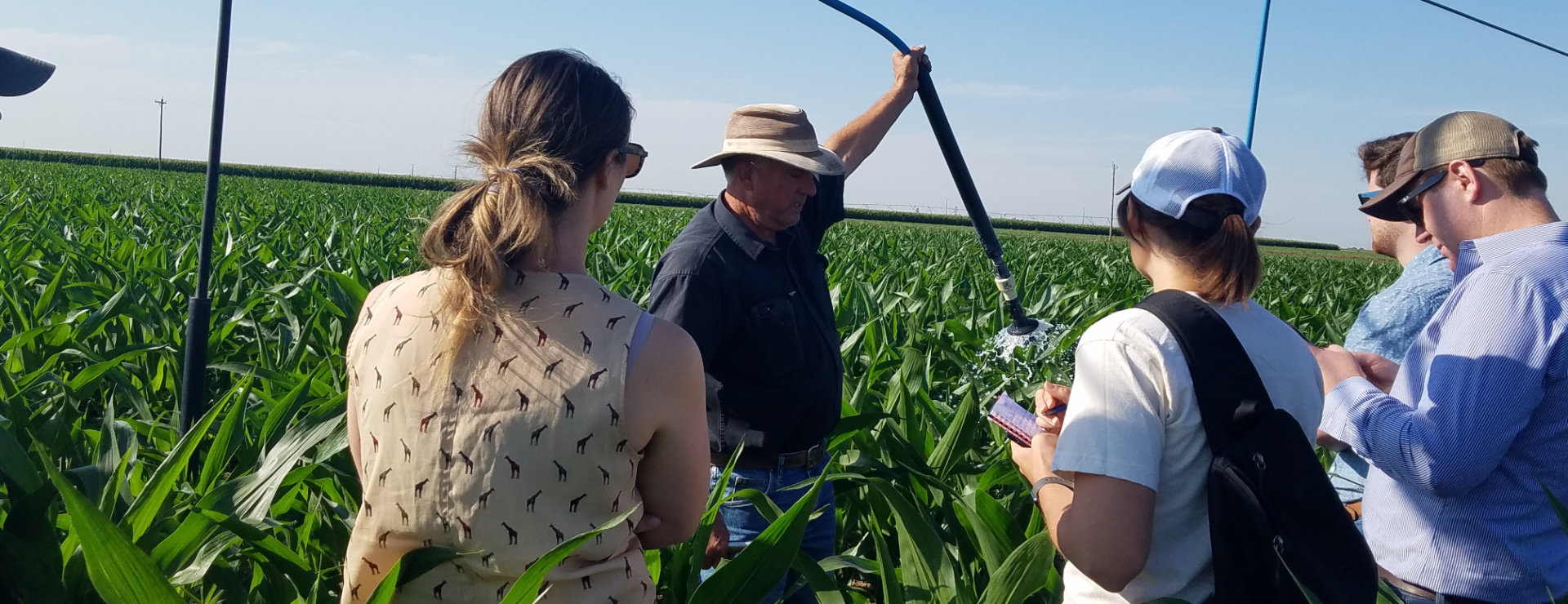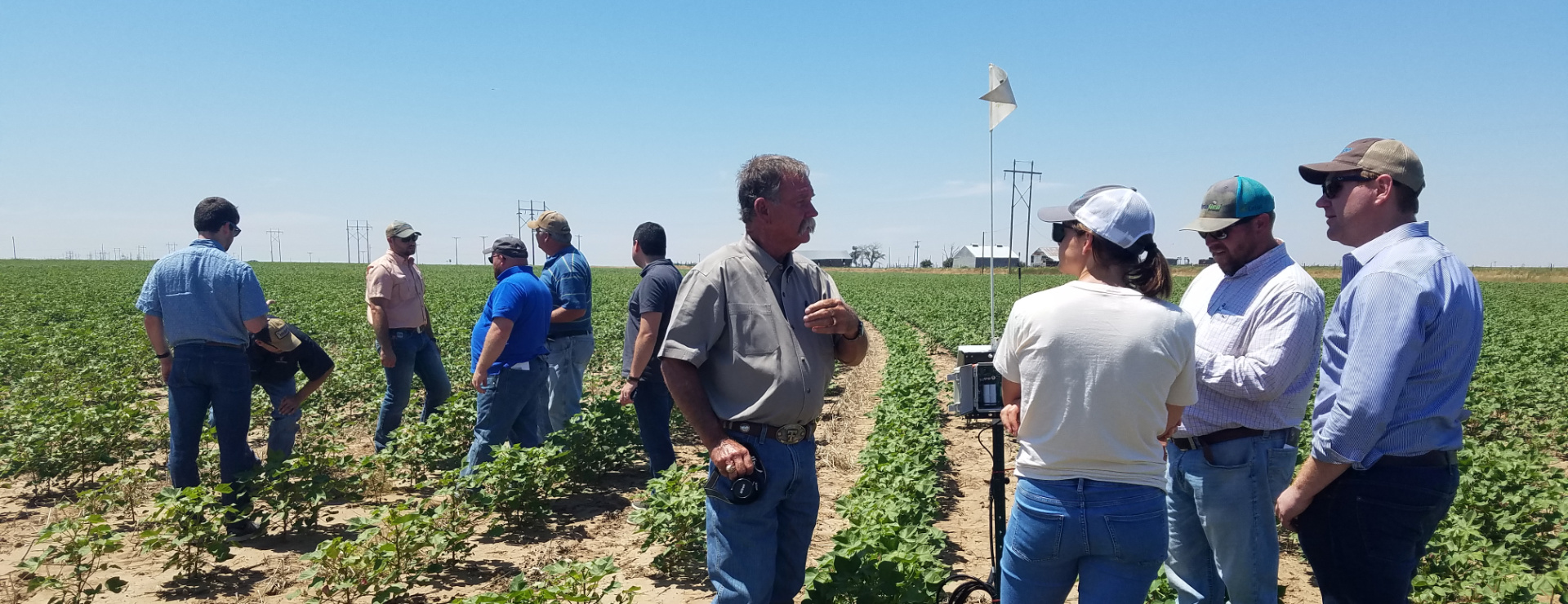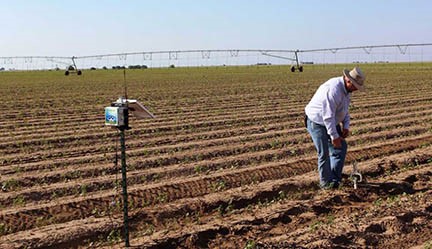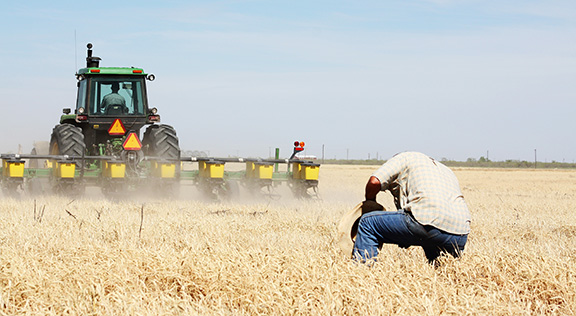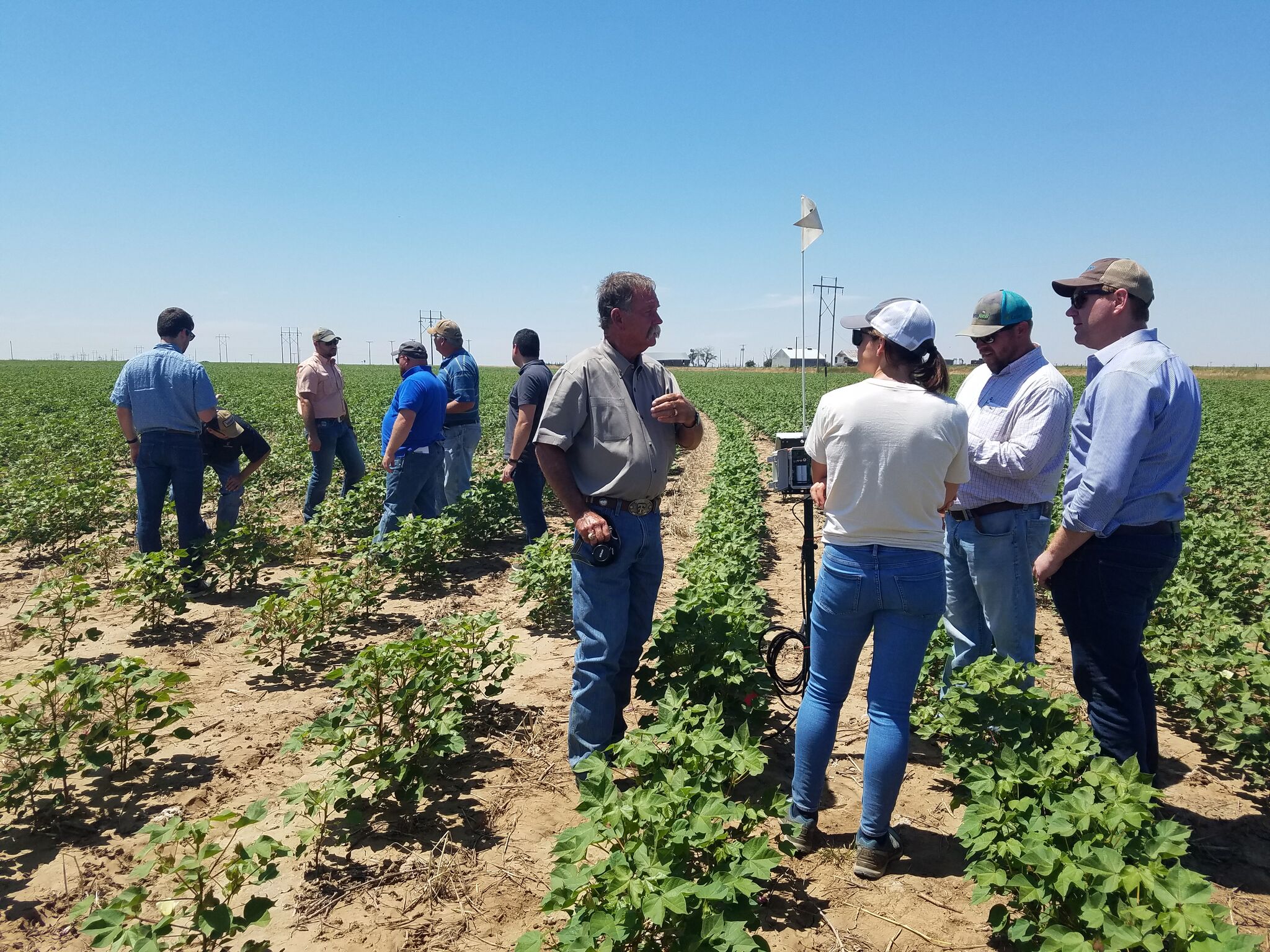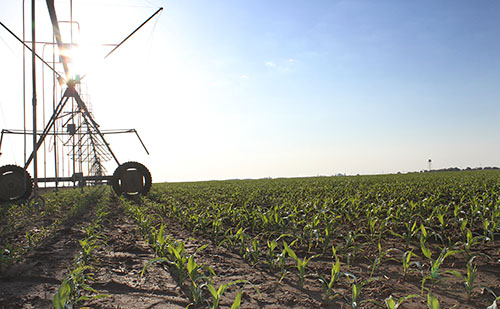
The Texas Alliance for Water Conservation is a unique partnership of area producers, data collection technologies, and collaborating partners that includes industries, universities, and government agencies.

The project uses on-farm demonstrations of cropping and livestock systems to compare the production practices, technologies, and systems that can maintain individual farm profitability while improving water use efficiency with a goal of extending the life of the Ogallala Aquifer while maintaining the viability of local farms and communities.


What's New

February 1, 2010

TAWC Research Presented at National Conference

You will need Microsoft Word to download this document. "Energy And Carbon: Considerations For High Plains Cotton"

Two Texas Tech researchers presented their findings at the 2010 Beltwide Cotton Conference Jan. 6 in New Orleans.

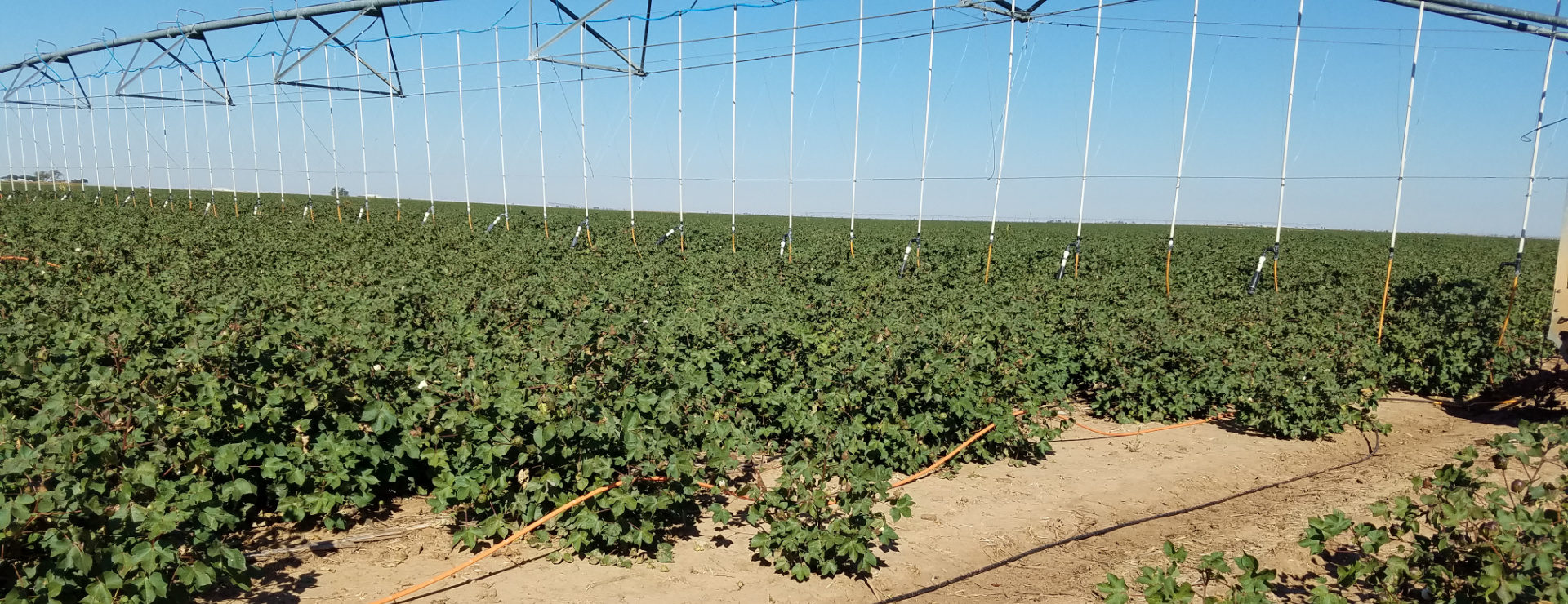
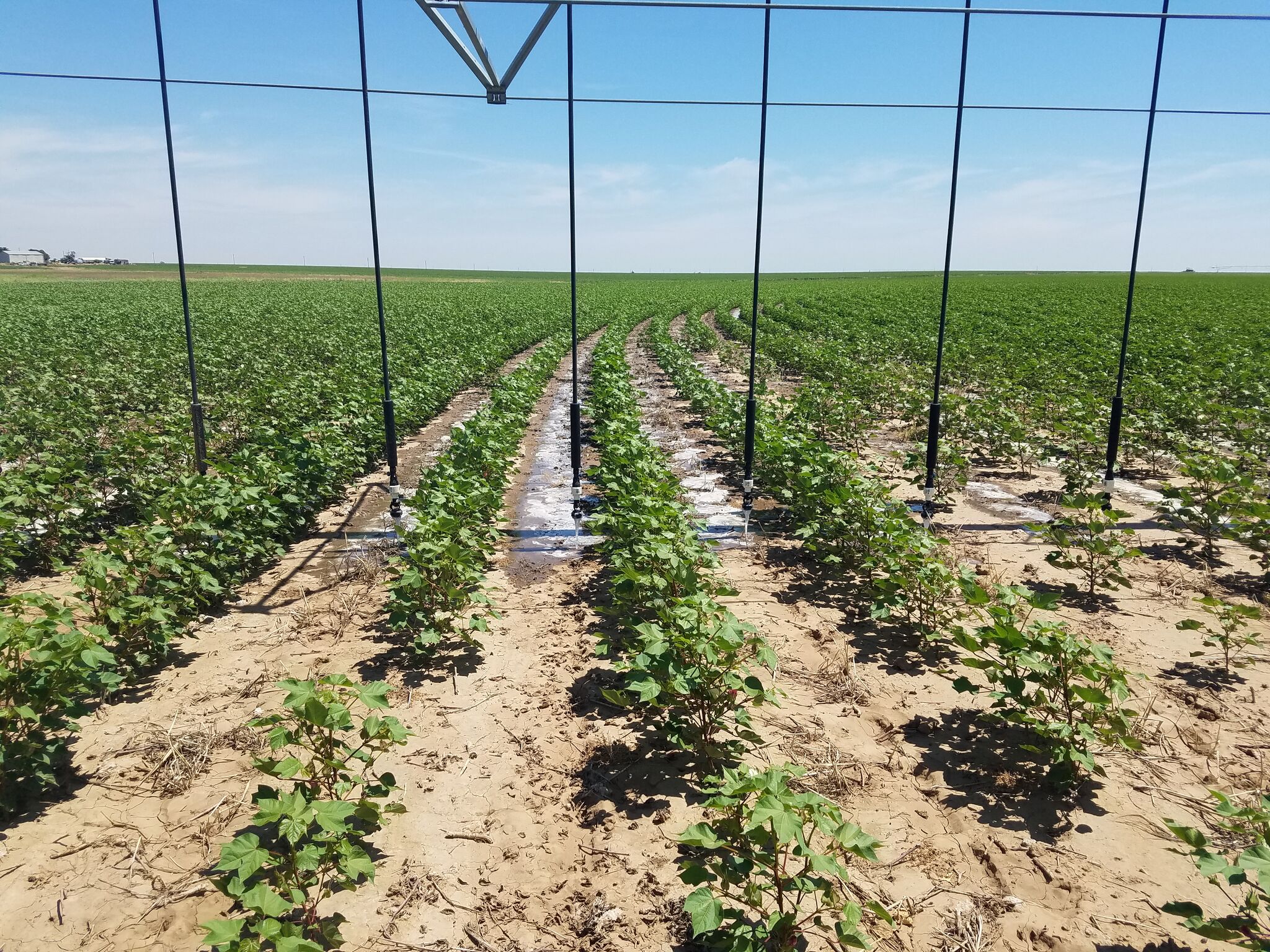
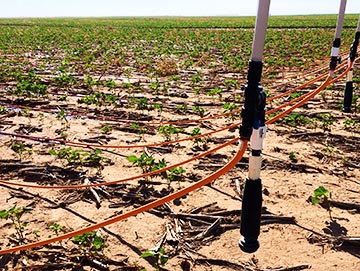
The objective of the study was to conduct an energy and carbon audit on irrigated cotton produced in the Southern High Plains of Texas.  Results indicate that sub-surface drip irrigated cotton is a high consumer of energy, emitting the greatest amount of carbon, but produces the highest yield and net returns per acre.  However, the Low Energy Precision Application (LEPA) irrigated cotton was more efficient in dollars generated per acre inch of irrigation along with being an efficient user of energy, thus reducing carbon emissions per bale produced. 

The Beltwide Cotton Conferences speed the transfer of new technology to U.S. cotton producers and other industry members with the goal of strengthening U.S. cotton’s competitive position in the world marketplace and enhancing industry members’ profitability.


Web Features

Search for research by Commodity, Irrigation or Tillage types

Find photos related to agriculture and water conservation

Read about water conservation in the news

Request an Overview DVD

Submit Research Ideas