
TxPWC Research
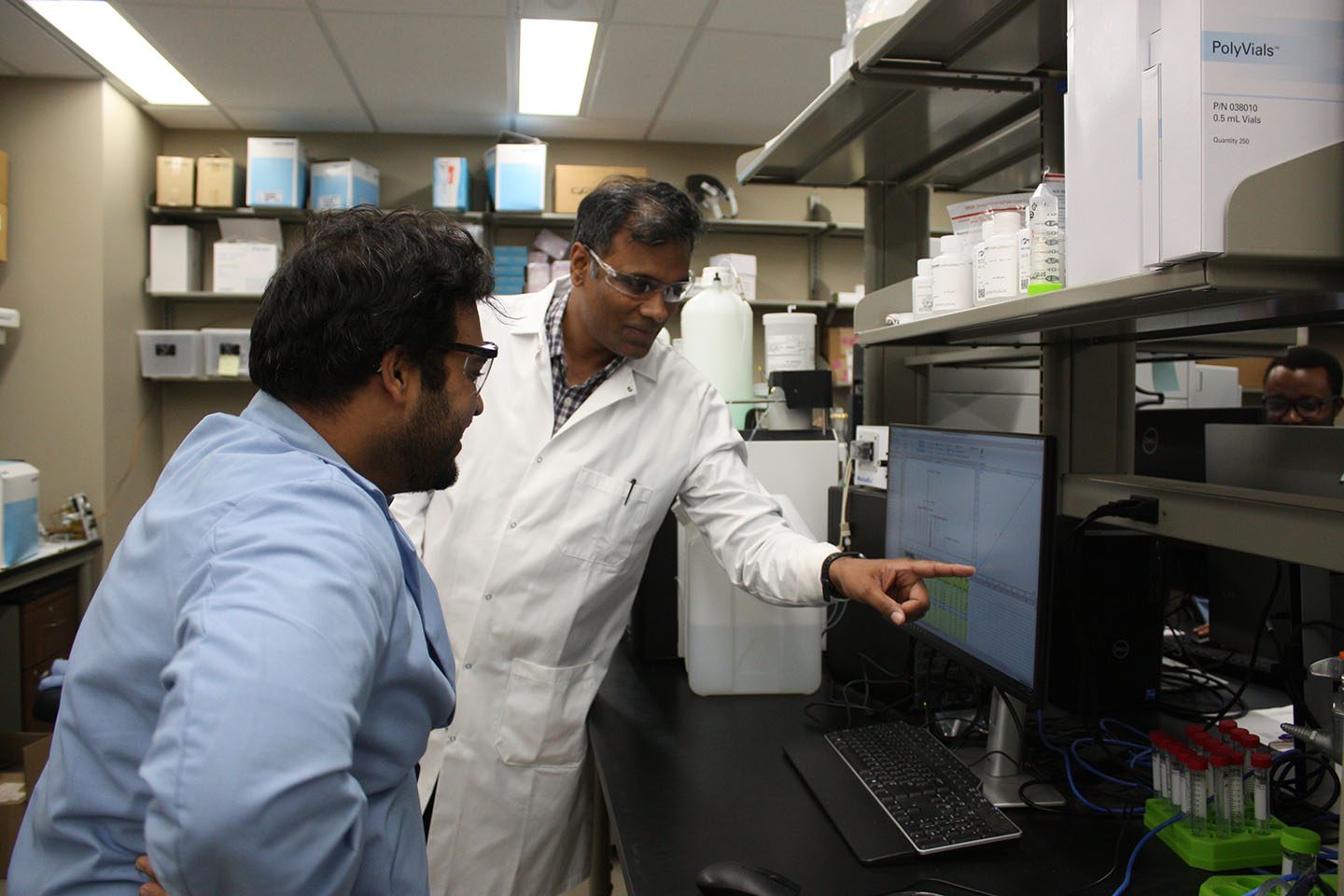
The Texas Produced Water Consortium's interdisciplinary research program examines the scientific, engineering, environmental, economic, legal, and social dimensions of produced water treatment and reuse. Collectively, the findings demonstrate meaningful progress toward understanding how treated produced water can become a safe, economically viable, and publicly acceptable supplemental water resource for Texas. Effectively, the Consortium is working to de-risk the beneficial reuse of treated produced water for all stakeholders.
Research Thrusts

Law, Policy, Economics & Communication
Evaluating the regulatory, economic, and societal dimensions of produced water. Our work examines legal frameworks, policy implications, economic feasibility, and public perceptions to help inform responsible management strategies and support informed decision-making for potential beneficial uses of produced water.
Surface Discharge
Monitor ecological responses of aquatic and terrestrial organisms to changes in water quantity and quality along the Pecos River. Build and calibrate hydrologic models to simulate how water flows through river and groundwater systems to evaluate different management scenarios and understand the impacts on water quantity and quality.


Land Application
Exploring opportunities for using polished desalinated produced water (PDPW) for growing crops, forages, and rangeland restoration aimed at sustainable crop-ecological systems with particular attention to soil health and microbial communities.
Water Quality and Toxicology
Integrating targeted and non-targeted chemical analysis to evaluate the quality and safety of polished desalinated produced water (PDPW) by evaluating how it impacts plants and animals. Identifying potential risks to ensure PDPW can be used safely.


Treatment Technologies
Transforming produced water (PW) from a waste stream into a valuable resource through advanced pretreatment, desalination, and post-polishing technologies; unlocking clean water and recovering critical minerals from PW. Conducting comparative economic-driven analyses of treatment technologies applicable to the Permian Basin.
Energy Water Nexus
Advancing the energy-water nexus with thermodynamic analyses to couple produced water (PW) treatment with low-grade heat and low-cost electricity from industrial systems. Re-imagining PW desalination as an energy-integrated process, where heat and electricity improve efficiency, reduce costs, and expand water recovery opportunities.

Texas Produced Water Consortium
-
Address
Texas Tech University, 2500 Broadway, Lubbock, TX 79409 -
Phone
(806) 834-7236 -
Email
txpwc@ttu.edu