
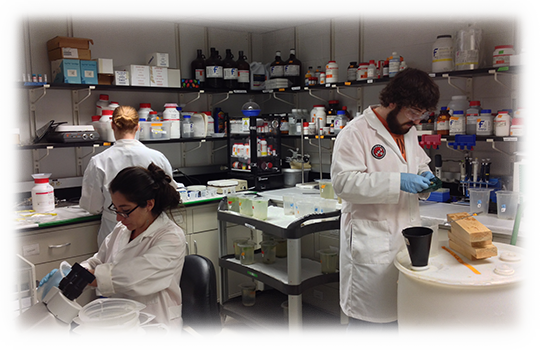
Environmental Toxicology Program
What is Environmental Toxicology?
Environmental toxicology is the scientific study of the effects of chemical, biological, and physical agents on living organisms and ecosystems. It examines how pollutants impact human health, wildlife, and the environment, and it seeks to develop strategies for minimizing and mitigating these harmful effects. Researchers in this field work to understand the fate of contaminants in air, water, soil, and biological systems, and they explore how these substances interact with different organisms at molecular, biochemical, and ecological levels.
Interested in Environmental Toxicology Program? Please fill out our student information form.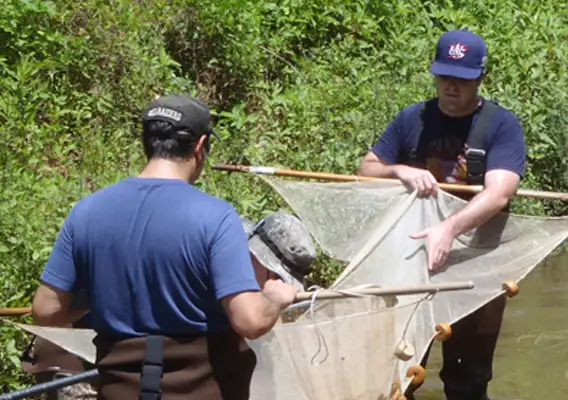
The Department of Environmental Toxicology (ENTX) provides faculty and graduate students opportunities for multidisciplinary research and scholarly engagement related to environmental, forensic, and human health sciences.
The Environmental Toxicology faculty attract graduate students at both the master’s and doctoral level, with their backgrounds in biological sciences, medicine, epidemiology, biostatistics, engineering, chemistry, computer science, law, mathematics, pharmacology, physiology, and wildlife biology. The Forensic Science faculty are committed to the production and dissemination of interdisciplinary forensic science research through a unique multidisciplinary program that provides outstanding education, research, and professional training opportunities for undergraduate and graduate students at TTU and for local and regional law enforcement. Our department offers a Ph.D. in Environmental Toxicology, M.S. in Environmental Toxicology, M.S. in Forensics Science, and two undergraduate minors (Environmental Toxicology and Forensic Sciences).
Environmental ToxicologyOur Programs
The Institute of Environmental Toxicology Research
Graduate students at both the master’s and doctoral level, with their backgrounds in biological sciences, medicine, epidemiology, biostatistics, engineering, chemistry, computer science, law, mathematics, pharmacology, physiology, and wildlife biology.
Graduate Program Information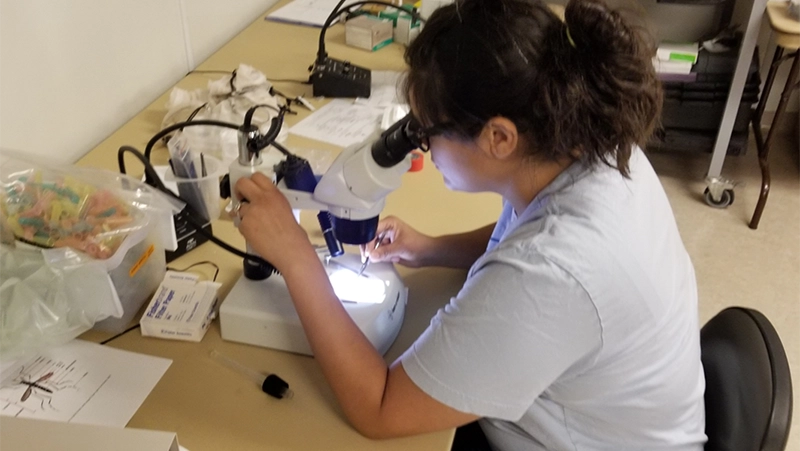
Undergraduate (minor) programs within the College of Arts & Sciences. The courses are designed to provide undergraduate students the opportunity to learn about and conduct scientific research in the Department of Environmental Toxicology. Generally, a background in the natural, physical, or health sciences will provide the necessary preparation for completion of these courses.
Undergraduate Program Information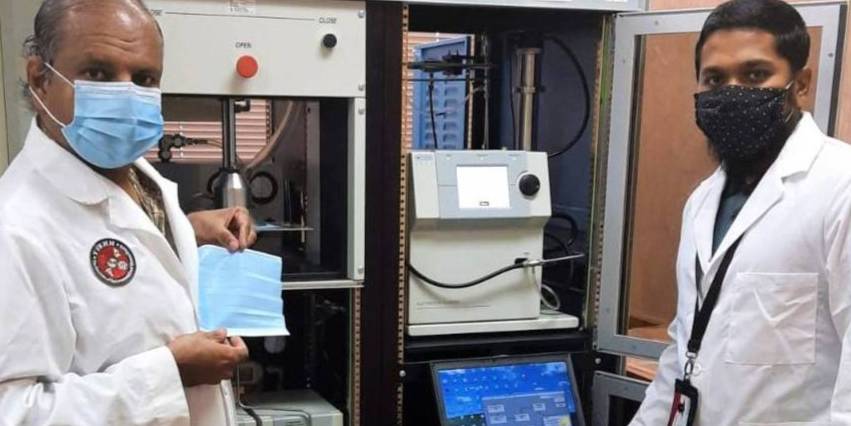
The Department of Environmental Toxicology has a regionally, nationally, and globally important multidisciplinary research focus on environmental, forensic, and human health sciences. The Department has a long history of internationally recognized research coupled with high-quality, well-developed research programs.
Environmental Toxicology Research informationEnvironmental Toxicology | Degrees, Careers & Salary at Texas Tech
What is Environmental Toxicology?
Who Studies Environmental Toxicology?
Why is Environmental Toxicology Important?
Environmental toxicology plays a crucial role in addressing some of the most pressing environmental and health issues of our time. It helps:
- Identify and regulate hazardous chemicals.
- Assess human and ecological health risks.
- Develop safer industrial and agricultural practices.
- Ensure clean air, water, and soil through pollution control and remediation.
- Improve public health by minimizing exposure to harmful substances.
When Did Environmental Toxicology Emerge?
Where is Environmental Toxicology Applied?
Environmental toxicologists work in various settings, including:
- Government agencies (EPA, FDA, CDC, NIH, OSHA)
- Academic and research institutions
- Industry (pharmaceuticals, biotechnology, chemicals, and agriculture)
- Environmental consulting firms
- Non-governmental organizations (NGOs) focusing on conservation and public health
How Can Someone Pursue a Degree in Environmental Toxicology?
At Texas Tech University, we offer both Masters (M.S.) and Doctoral (Ph.D.) degrees in Environmental Toxicology, providing students with the opportunity to engage in multidisciplinary research and professional training. Our program integrates coursework in:
- Principles of Toxicology
- Environmental Fate of Chemicals
- Risk Assessment and Ecotoxicology
- Analytical Toxicology
- Environmental Law and Policy
Career Opportunities in Environmental Toxicology
A degree in environmental toxicology opens doors to numerous career paths, including:
- Toxicologist: Conducts risk assessments on chemicals and pollutants.
- Environmental Scientist: Works to mitigate environmental hazards and contamination.
- Regulatory Specialist: Develops safety guidelines and enforces environmental laws.
- Industrial Hygienist: Monitors workplace exposure to hazardous substances.
- Pharmaceutical Toxicologist: Evaluates drug safety and human exposure risks.
- Ecotoxicologist: Studies the effects of pollutants on wildlife and ecosystems.
- Forensic Toxicologist: Analyzes biological samples for toxins in legal cases.
- Academic Researcher: Conducts scientific studies and educates the next generation of toxicologists.
Salary Expectations in Environmental Toxicology
Frequently Asked Questions (FAQs)
What degree do I need to become an environmental toxicologist?
A bachelor’s degree in a related field (biology, chemistry, environmental science)
is the minimum requirement for entry-level jobs. However, most toxicologists hold
a Master’s (M.S.) or Doctoral (Ph.D.) degree in environmental toxicology or a related discipline.
What skills are important for a career in environmental toxicology?
Key skills include:
- Analytical and laboratory skills
- Data analysis and statistical interpretation
- Knowledge of regulatory frameworks (EPA, OSHA, FDA, etc.)
- Critical thinking and problem-solving abilities
- Communication and technical writing
How long does it take to earn a degree in environmental toxicology?
- Bachelor’s degree: Typically 4 years
- Master’s degree: 2-3 years beyond a bachelor’s degree
- Ph.D.: 4-6 years beyond a bachelor’s degree
What industries hire environmental toxicologists?
Environmental toxicologists work in government agencies, academia, pharmaceuticals, environmental consulting, biotechnology, and industrial sectors.
Why choose Texas Tech University for environmental toxicology?
TTU offers a regionally, nationally, and globally recognized program with expert faculty, state-of-the-art research facilities, and strong industry connections.
Contact Information
Department of Environmental Toxicology
Texas Tech University
1207 Gilbert Dr, Lubbock, TX 79416
Phone: (806) 742-4567
Visit Our Website
For students passionate about making a difference in environmental health and safety, TTU’s Environmental Toxicology program offers a dynamic and impactful academic journey.
Department of Environmental Toxicology
-
Address
Department of Environmental Toxicology, Texas Tech University, Box 41163, Lubbock, TX 79409 -
Phone
806.742.4567