

Forensic ScienceGraduate Academic Overview
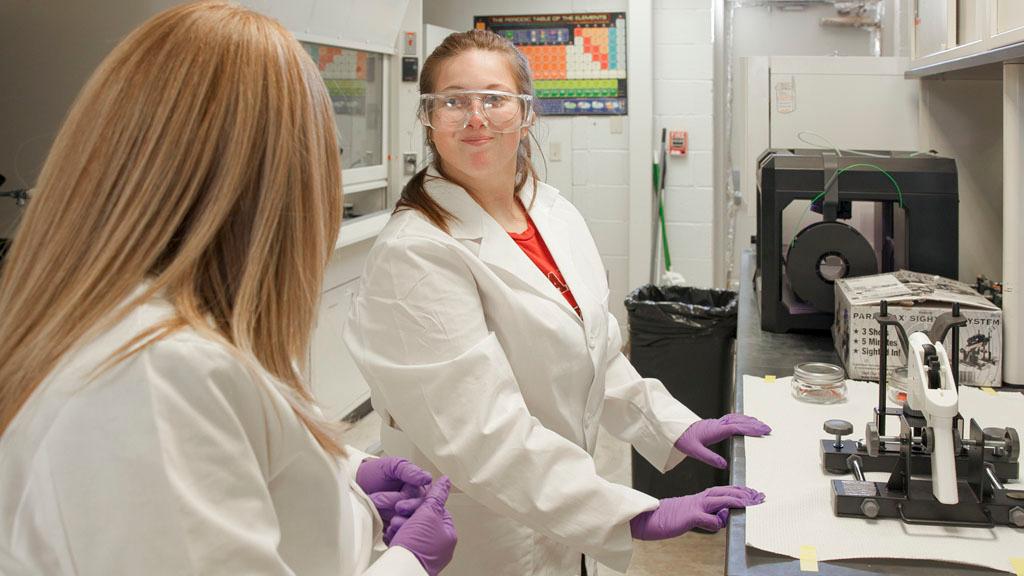
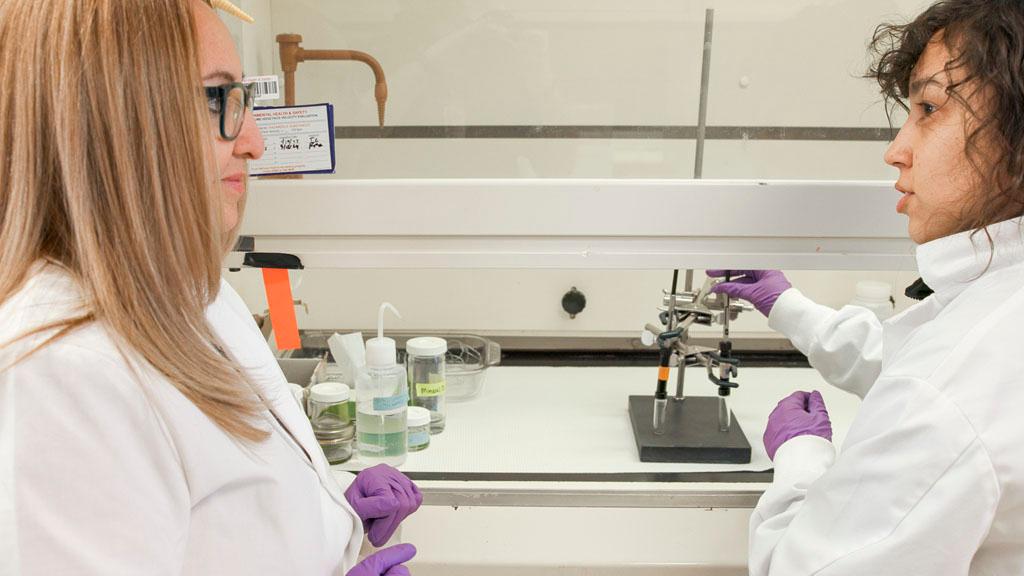
 The Master of Science in Forensic Science degree program emphasizes extensive learning
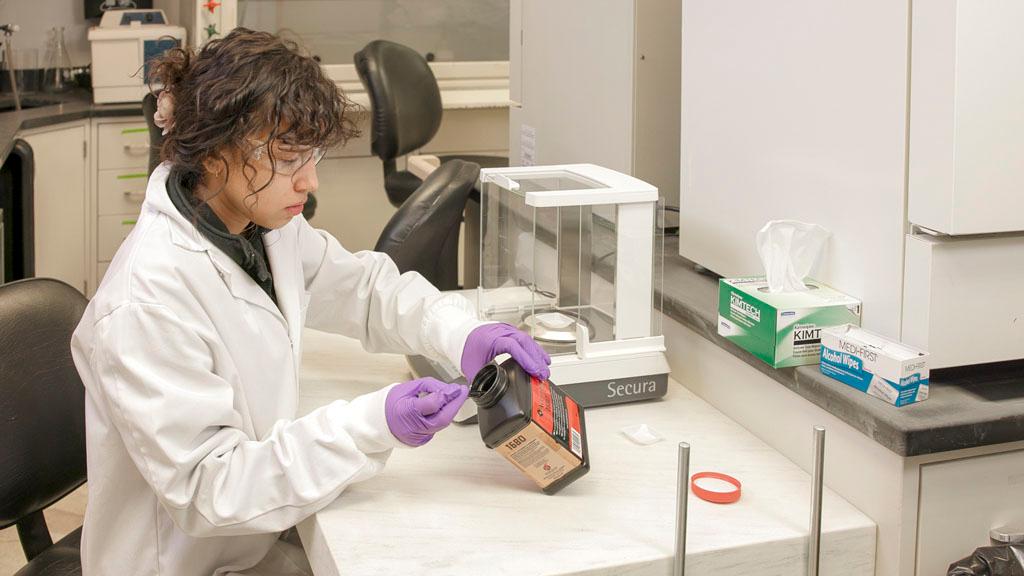
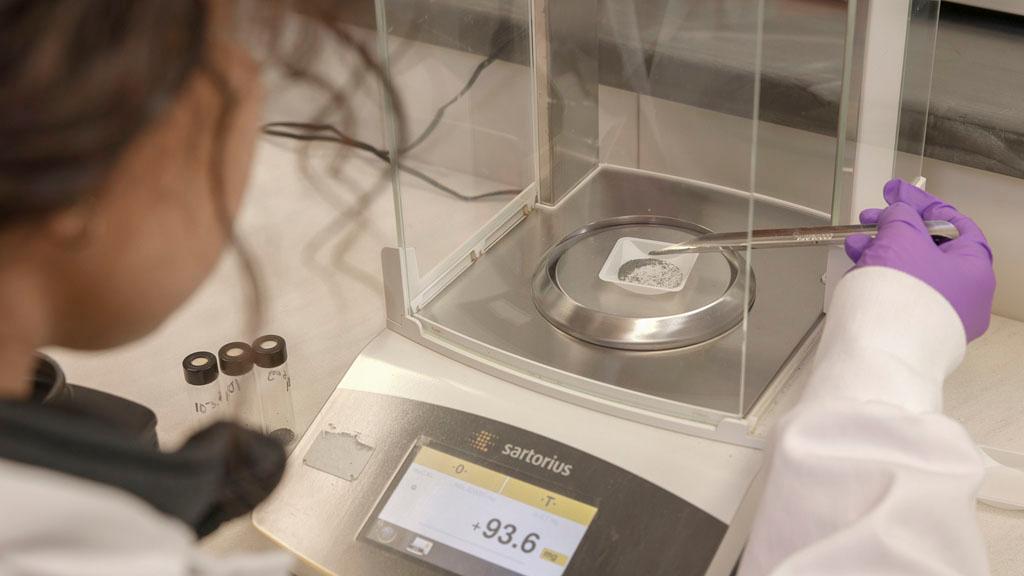
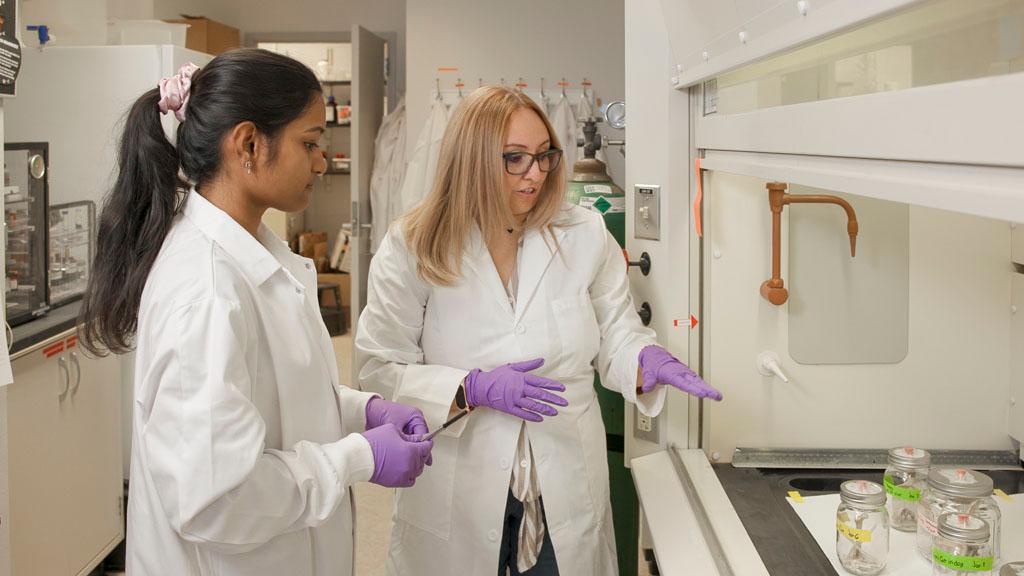
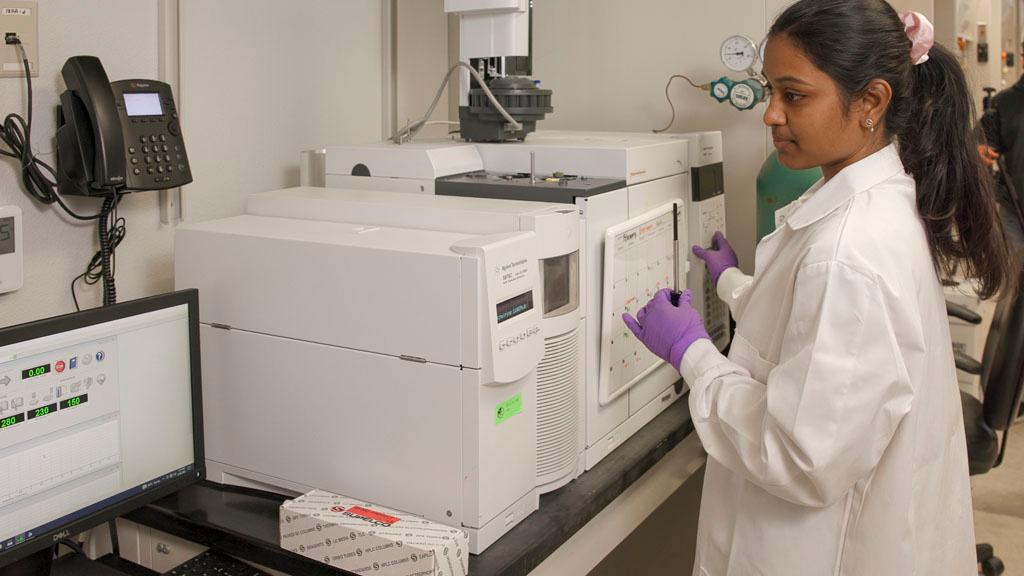
in the scientific and laboratory skills necessary for application in a modern forensic
laboratory. The program offers concentration focuses on areas of forensic investigation
and includes exposure to the breadth of forensic disciplines, including the principles,
practices, and contexts of science as they relate to specialized forensic topics.
The Master of Science in Forensic Science degree program emphasizes extensive learning
in the scientific and laboratory skills necessary for application in a modern forensic
laboratory. The program offers concentration focuses on areas of forensic investigation
and includes exposure to the breadth of forensic disciplines, including the principles,
practices, and contexts of science as they relate to specialized forensic topics.
 Graduates from this program are prepared to enhance and strengthen the forensic science
disciplines through sound methodologies and practices while simultaneously advocating
the highest ethical standards through public service to federal, state, and local
law enforcement jurisdictions and agencies.
Graduates from this program are prepared to enhance and strengthen the forensic science
disciplines through sound methodologies and practices while simultaneously advocating
the highest ethical standards through public service to federal, state, and local
law enforcement jurisdictions and agencies.
Students from various undergraduate backgrounds may pursue either of two concentrations within the program:
The forensic chemistry concentration or the forensic investigation concentration.
The forensic investigation concentration is designed for students who have a social
science background and intend to work in a non-laboratory setting. The forensic chemistry
concentration is designed for students who have a natural or forensic science background
and wish to work in a traditional laboratory setting. The program offers both theoretical
and practical coursework and is designed to allow students to emphasize areas of special
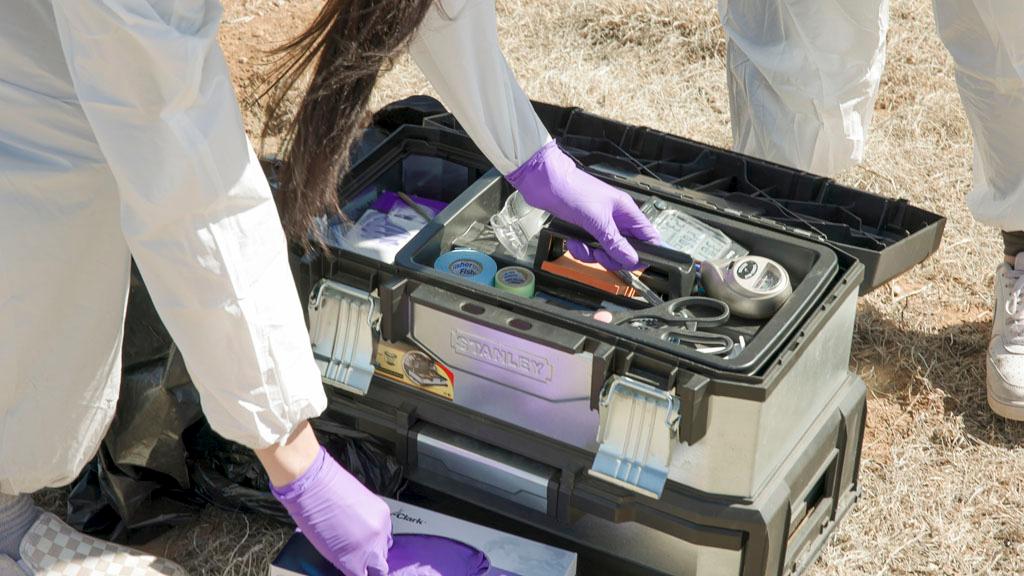
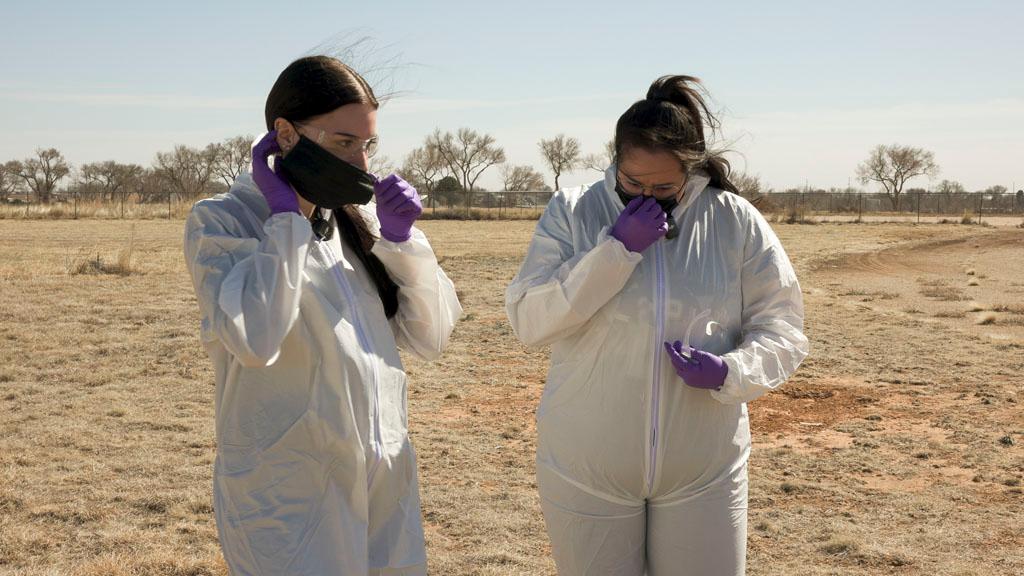
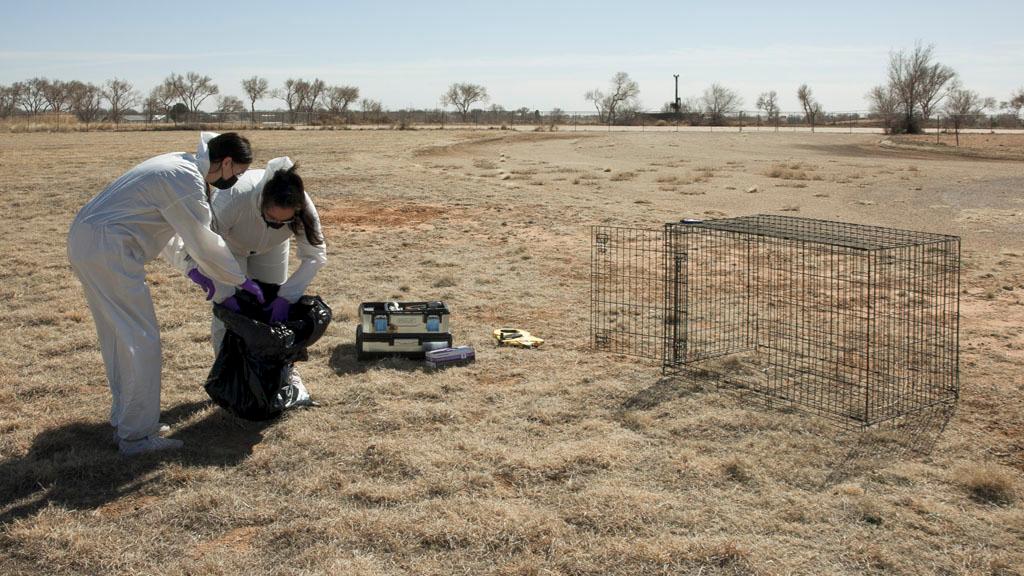
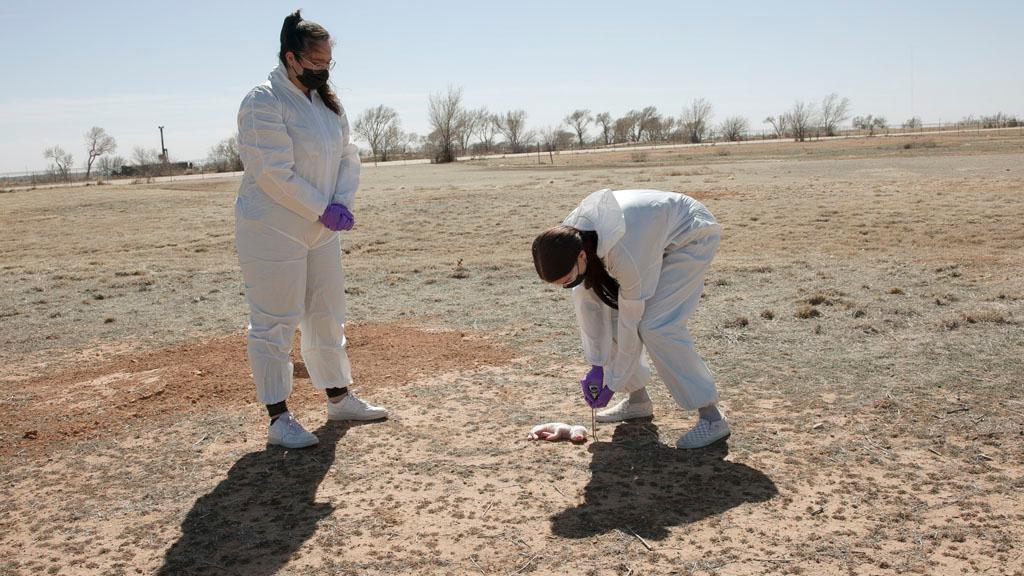
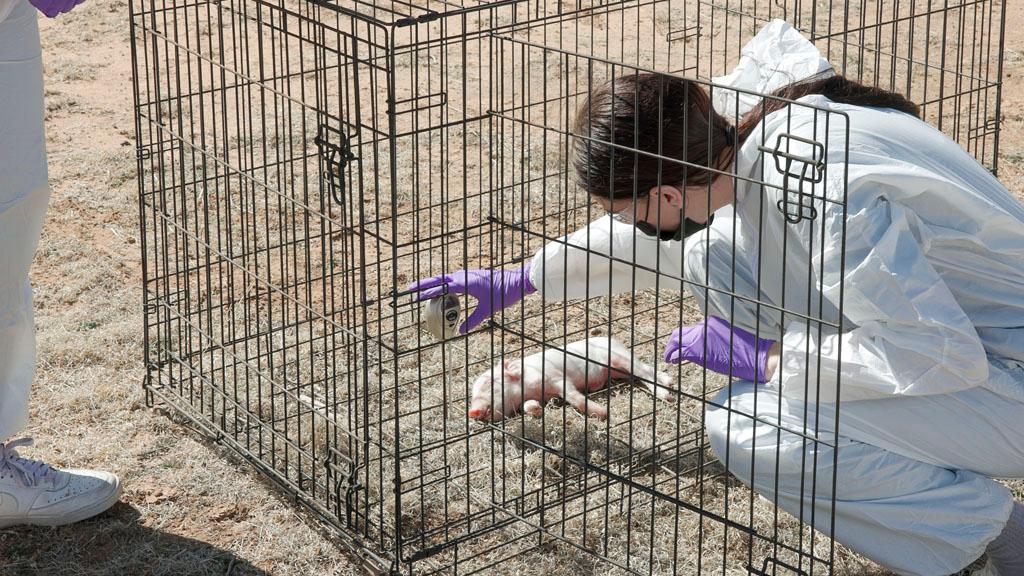
interest such as forensic chemistry, toxicology, DNA, or crime scene investigation.
Students in both concentrations must take 30 hours from the core curriculum, including
fundamentals of forensic science, research methods, crime scene investigation, trace
evidence analysis, and ethics. The remaining coursework requirements vary by concentration
and includes specialized courses along with a broad list of approved electives. Forensic
chemistry concentration students are required to complete a research-oriented thesis.
Forensic investigation students may complete a research-oriented thesis or an internship
and a comprehensive written exam. This comprehensive exam is highly individualized
and will focus on the student’s primary area of interest. For both the forensic chemistry
and investigation concentrations, a minimum of 39 hours of graduate coursework plus
6 hours of thesis (FSCI 6000) or internship (FSCI 6031) are required.
Following the first 9 credit hours of graduate study, each student’s curriculum will
be formalized through consultation with the student’s forensic faculty academic advisor
and will reflect the student’s area of emphasis. This degree plan will be approved
by the program advisor before being submitted to the Graduate School. When approved,
it will serve as a tool for advising and reviewing to assure completion of degree
requirements.
Applicants will be considered for admission to the forensic science program after
the following materials are received: completed application to the Texas Tech Graduate
School, GRE test scores, three letters of recommendation (two of which must be from
academic faculty), letter of intent, and curriculum vita/resume. The program accepts
students in the fall and spring semesters. Once that process is completed, program
admission and competitive scholarship awards are based on the following three general
categories of criteria:
- Academic Record. All academic records may be considered—60 hours, total, major, post-baccalaureate, etc.
- Test Scores. Scores on the General Test of the Graduate Record Examination (GRE) should be no more than five years old. Each score is considered separately, with percentile scores viewed by broad major. No test score will be considered the sole criterion.
- Individual Profile. Profiles may include recommendations, research background, motivation, undergraduate institution, presentation, and interviews. Other information that admission committees may consider is work commitment, demonstrated commitment to a particular field of work or study, and community involvement.
Contact: Dr. Paola Tiedemann, paola.tiedemann@ttu.edu
NOTE: Certain criminal, traffic, and civil convictions can disqualify a graduate from obtaining
some positions in the law enforcement or criminal justice professions.
Department of Environmental Toxicology
-
Address
Department of Environmental Toxicology, Texas Tech University, Box 41163, Lubbock, TX 79409 -
Phone
806.742.4567