
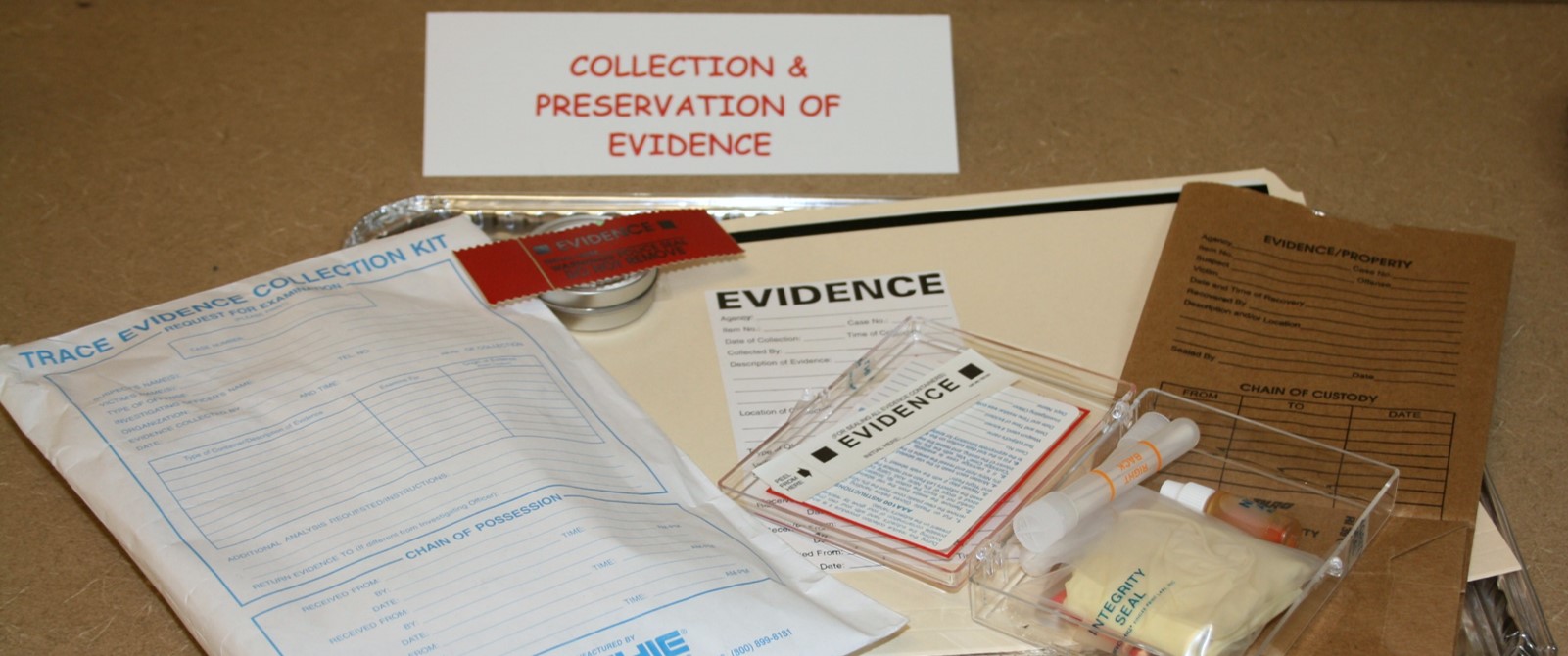
What is forensic Science?
Welcome
The Department of Environmental Toxicology (ENTX) provides faculty and graduate students opportunities for multidisciplinary research and scholarly engagement related to environmental, forensic, and human health sciences. The Environmental Toxicology faculty attract graduate students at both the master’s and doctoral level, with their backgrounds in biological sciences, medicine, epidemiology, biostatistics, engineering, chemistry, computer science, law, mathematics, pharmacology, physiology, and wildlife biology. The Forensic Science faculty are committed to the production and dissemination of interdisciplinary forensic science research through a unique multidisciplinary program that provides outstanding education, research, and professional training opportunities for undergraduate and graduate students at TTU and for local and regional law enforcement. Our department offers a Ph.D. in Environmental Toxicology, M.S. in Environmental Toxicology, M.S. in Forensics Science, Bachelors of Science (B.S.) in Forensic Science, and two undergraduate minors (Environmental Toxicology and Forensic Sciences).
Forensic ScienceOur Programs
The Institute for Forensic Science Research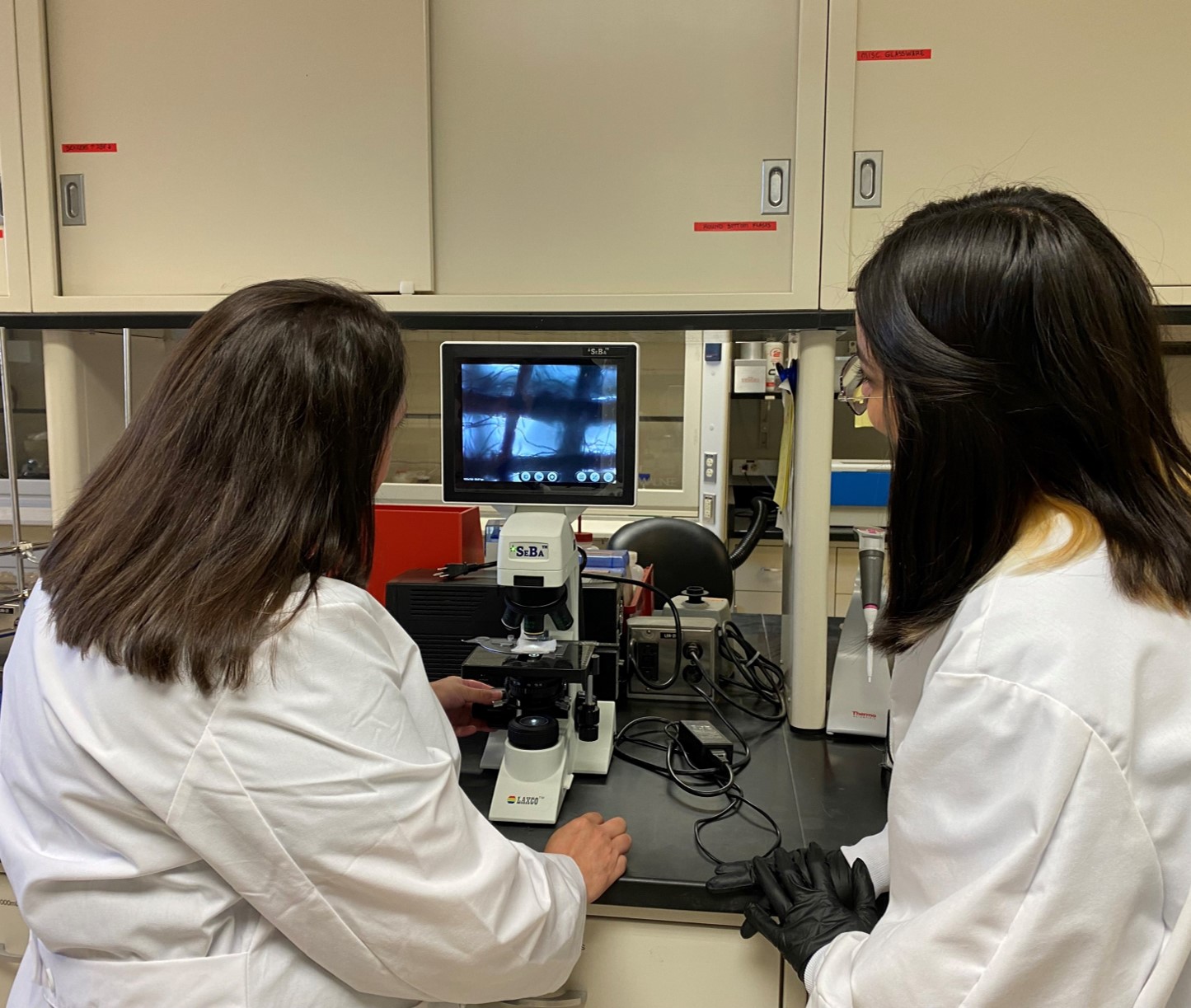
The Master of Science in Forensic Science degree program emphasizes extensive learning in the scientific and laboratory skills necessary for application in a modern forensic laboratory. The program offers concentration focuses on areas of forensic investigation and includes exposure to the breadth of forensic disciplines, including the principles, practices, and contexts of science as they relate to specialized forensic topics.
Program Information
Environmental Toxicology is a multidisciplinary academic field that includes biology, chemistry, ecology to study our environment. More so, as practitioners in this field we are interested in harmful effects of chemicals, toxins and other physical agents on living organisms. We like to study our environment and different ecosystems to understand how toxic substances affect everyone - animals and humans!
Program Information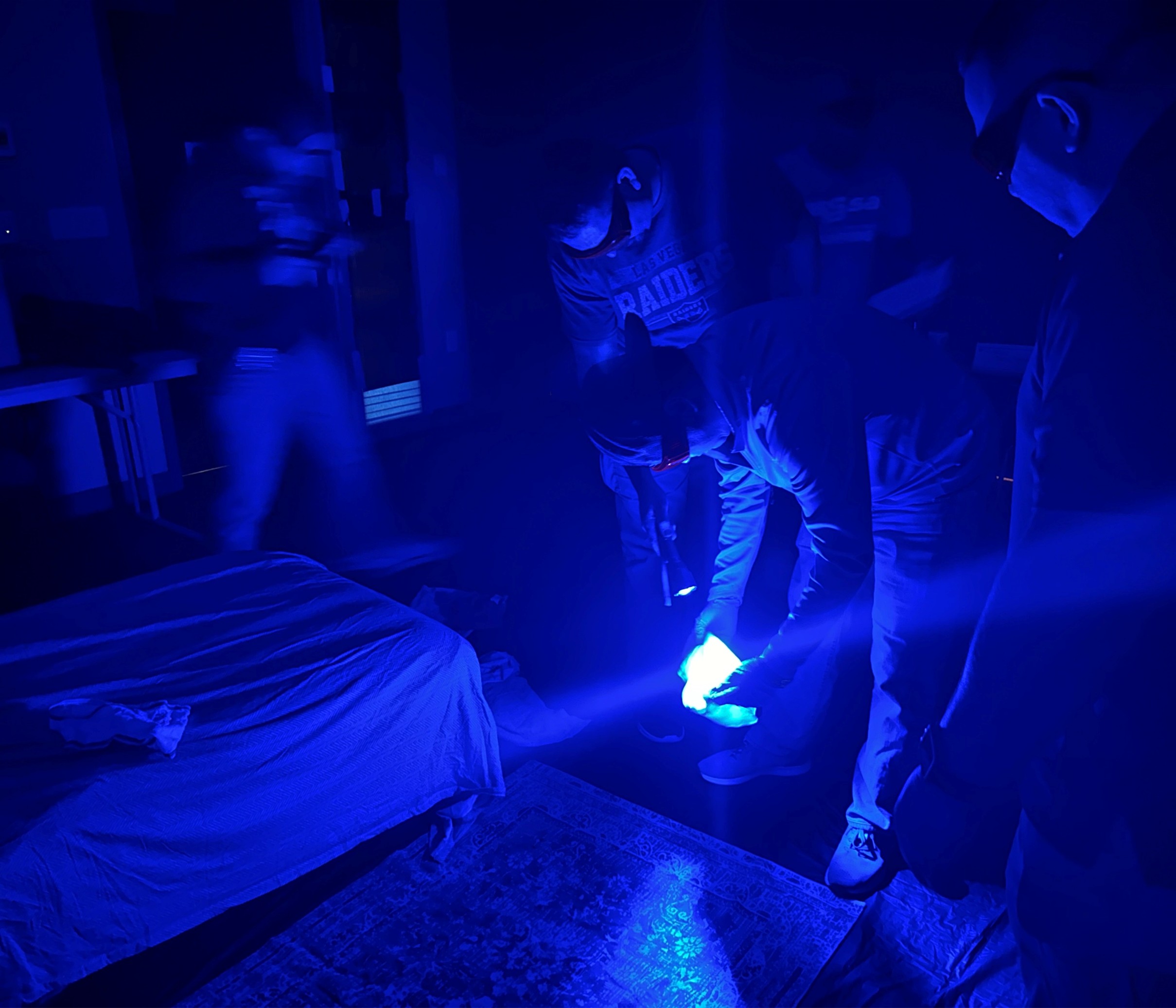
The program’s Forensic Professional Concentration is designed for currently employed forensic professionals ONLY. It provides career development with a flexible online delivery platform amenable to the working environment. This degree is designed for those individuals currently working in a forensic science field such as law enforcement, medical examiner offices, legal or forensic science laboratory settings to improve the current level of mastery which may lead to supervisory roles and promotion.
Program informationForensic Science / Degrees, Careers & Salary at Texas Tech
Forensic Science / Degrees, Careers & Salary at Texas Tech
Why Pursue a Degree in Forensic Science?
Key Benefits of a Forensic Science Degree:
- High Demand: Law enforcement agencies and forensic labs constantly seek trained professionals.
- Diverse Career Paths: Work in toxicology, DNA analysis, digital forensics, and more.
- Interdisciplinary Knowledge: Gain expertise in science, law, and investigative techniques.
- Real-World Impact: Contribute to solving crimes and delivering justice.
Career Opportunities in Forensic Science
Graduates with a degree in forensic science can work in various roles, including:
- Crime Scene Investigator (CSI): Collect and analyze evidence at crime scenes.
- Forensic Toxicologist: Analyze bodily fluids for toxins and drugs.
- DNA Analyst: Examine biological evidence for genetic matches.
- Forensic Chemist: Test substances for chemical compositions.
- Digital Forensic Examiner: Investigate cybercrimes and recover digital evidence.
- Forensic Anthropologist: Analyze human remains for identification.
- Ballistics Expert: Examine firearms and bullet trajectories.
- Forensic Accountant: Investigate financial crimes such as fraud and embezzlement.
The Importance of Forensic Science
Forensic science is essential for:
- Solving Crimes: Providing crucial evidence to identify suspects.
- Ensuring Justice: Supporting legal proceedings with scientific accuracy.
- Public Safety: Detecting and preventing criminal activities.
- Innovative Research: Advancing new methods in forensic analysis.
Who Performs Forensic Science?
Forensic scientists come from various backgrounds, including:
- Government Crime Labs: Federal, state, and local forensic laboratories.
- Law Enforcement Agencies: Police departments and investigative units.
- Private Sector & Consulting Firms: Independent forensic analysis companies.
- Academic & Research Institutions: Universities conducting forensic research.
How to Get Started in Forensic Science
Texas Tech University offers an M.S. in Forensic Science through the Department of Environmental Toxicology. Our program provides rigorous training in:
- Forensic Chemistry: Analyzing substances and toxicology.
- Forensic Investigation: Crime scene analysis and criminal profiling.
- Internship Opportunities: Hands-on experience with law enforcement agencies.
- Research & Thesis: Cutting-edge forensic research projects.
Salary Expectations
- Forensic Science Technicians: Median salary of $61,930 per year.
- Crime Scene Investigators: $48,000 - $80,000 per year.
- Forensic Toxicologists: $60,000 - $90,000 per year.
- DNA Analysts: $55,000 - $85,000 per year.
Frequently Asked Questions (FAQ)
Q: What degree do I need for a forensic science career?
A: A bachelor's degree in forensic science, chemistry, biology, or a related field
is required. Advanced roles may require a master's degree.
Q: Is forensic science a good career choice?
A: Yes! It offers job stability, competitive salaries, and the opportunity to impact
criminal justice.
Q: What skills are needed in forensic science?
A: Strong analytical thinking, attention to detail, laboratory skills, and legal knowledge.
Q: How long does it take to complete a forensic science degree?
A: A bachelor’s degree takes four years, while a master’s degree takes an additional
two years.
Q: Does Texas Tech offer forensic science internships?
A: Yes! Our program includes internship opportunities with law enforcement and forensic
labs.
Contact Us
Department of Environmental Toxicology
1207 Gilbert Dr, Lubbock, TX 79416
Phone: (806) 742-4567
Website: TTU Department of Environmental Toxicology
Pursue your passion for forensic science at Texas Tech University and become a leader in criminal investigations and scientific analysis!
Department of Environmental Toxicology
-
Address
Department of Environmental Toxicology, Texas Tech University, Box 41163, Lubbock, TX 79409 -
Phone
806.742.4567