College of Education K-12 International Education Outreach

Interactive Culture Baskets

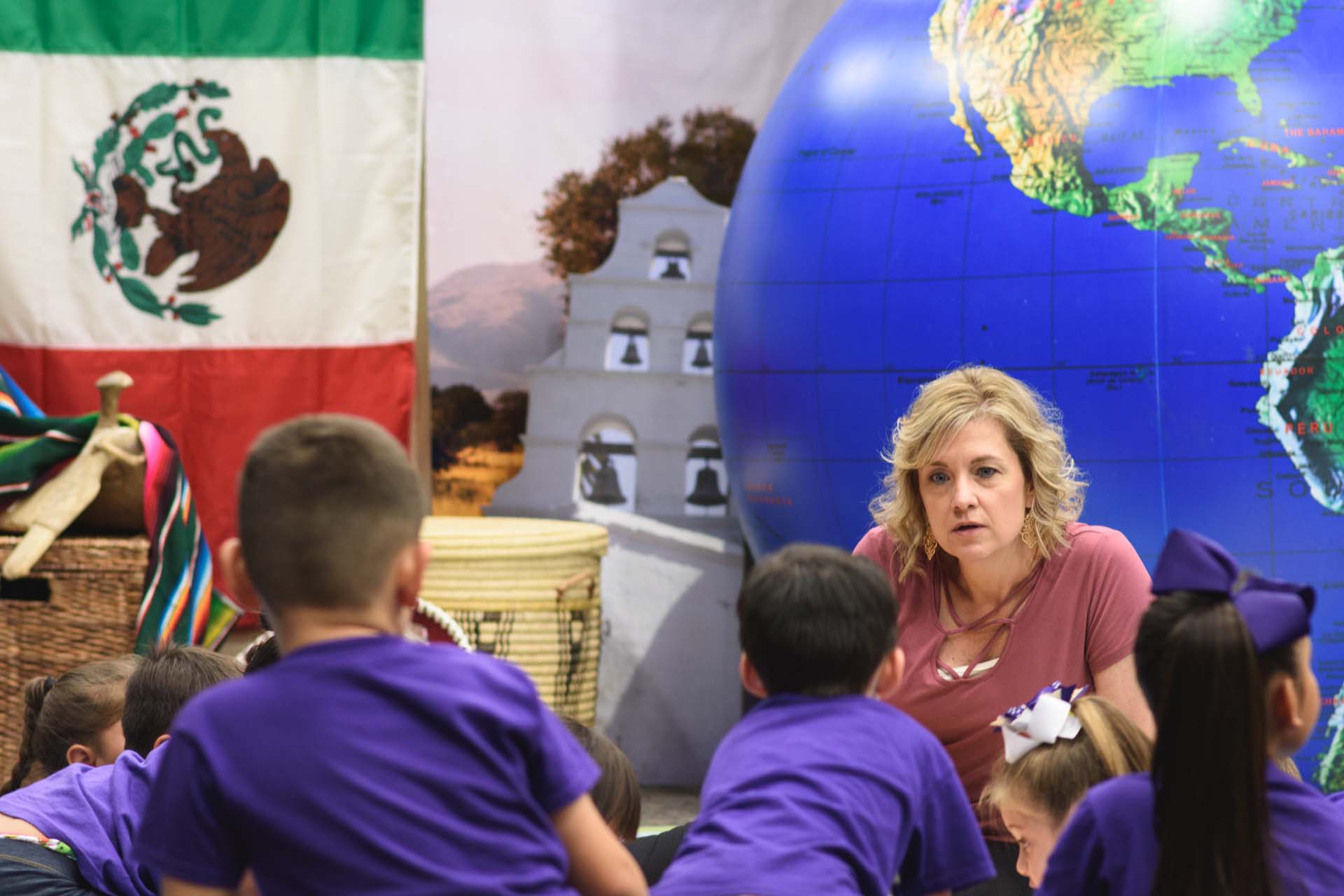
Interactive Culture Baskets will be available to students as they become "global archeologists" during this program. Students will travel through Asia, Africa, Latin America and on to the mountain, desert and rainforest regions of the world while studying artifacts and baskets created by the native people of these areas.

Pre-Visit

During your visit to the International Cultural Center, you will be learning about different regions of the world.  Use our web site to help your students learn more about the 3 regions:  deserts, mountains, rainforests.  

What are some areas of the world that are very hard for people to live in? 

Why are these places so difficult for those who live there?

If you lived in the rainforest and couldn't go to the store to buy the things you needed, how would you get food? What would you wear?  What would you live in and where would you get the materials to make your home?
Answer these questions about the other two areas; the desert and the mountains.

Coloring sheets are available of the animals from the different regions of the world.  Color pictures of the animals from the deserts, mountains, and rainforests.  Then discuss what makes the animals suited for their environment.      

For this activity, print out a world map for each student. You will need to enlarge it.  You will also need to enlarge a world map on the white board using an overhead projector.  Assign each child a specific rainforest, desert, or mountain/range to locate.  Have your students use classroom and library resources to locate their landform.  Have your students color and label their landform on their own copy of the world map.  Color-code the regions and have each student color their subject according to the code. 

Example: Rainforests-green, Deserts-brown, Mountains-blue.
When everyone has completed their assignment, have each student mark and label their landform on the classroom enlarged world map on the white board.  Have the children mark each region on their own maps as they are labeled on the white board.    

TEACHERS - Use these maps as answer keys for the above activity.   

Rainforest Map

Desert Map

Mountains Map

Top
Resources
Rainforest Links
Kid’s Corner Amazon Interactive Rainfall Comparison
A to Z Kidstuff Kiddy House
Rainforest Education Web
Animals of the Rainforest
Mountain Gorilla RainforestWeb.org
Passport to the Rainforest Congo Gorilla Rainforest
Rainforest Coloring Sheets, Activities, and Puzzles
Orangutan Gander’s Academy
Rainforest Education Web Coloring Page from A to Z Kid’s Stuff
Desert Links
Biomes - Habitats Missouri Botanical Garden
DesertUSA – Animal Survival DesertUSA - American Southwest
Chaparral Biome
Desert Animals and Coloring Sheets
Oakland Zoo - Camel Biomes - Habitats
Oakland Zoo - Elephant Desert Animals
Mountain Links
Infoplease – Highest Mtn. Peaks CuencaNet.Com
Andes Mountains HimalayaMountains.Com
Cultures of the Andes Geocities – Birth of Himalayas
Mountain Animals Coloring Sheets & Activities
Kids Planet – Mountain Gorilla Mountain Kids - Animals
PBS – Mountain Goat

EverythingAlaska.com
Coloring sheet of a moose with mountains in background.

Coloring.ws
Wolf coloring sheet

Mountain Gorilla Coloring Activity
Resources for Teachers

Worldspeople.com
Go to this site to purchase unique resources from Mexico, Asia and Africa.

Top

Post-Visit

What were some of your favorite artifacts from the baskets?  List them.

Which regions were these items from?

What were they made of and why did the people make them out of these materials?  

Design your own culture baskets.  Use shoe boxes as your baskets and have the students fill them with relevant materials.       
      If your students are learning about the differences and similarities in families, have
       them fill their boxes with items that characterize their families.  The students will
       then try to guess who’s family is represented in each box.          
      If you are studying your city or state or a country, fill the boxes with pictures,
      postcards, crafts, or anything that correspond to those places. 

Find large pictures of the landscapes of the 3 regions. Cut out animals from each of the areas and place a small piece of Velcro on the back of them.  Attach corresponding pieces of Velcro on the landscape pictures.  Have your students match the animals with the areas they live in and stick them to the picture of the landscape.

Top