Office of International Affairs K-12 Global Education Outreach

A Picture is Worth a 1,000 Words: Communication Through the Age

Written communication began with symbols and pictures drawn on cave walls. Many societies have developed their own forms of writing and some of these societies are featured in the resources.

Pre-Visit

     How could you communicate with people that couldn’t speak your language?

  Use these websites of murals to discuss how pictures give messages without words.
             Murals in Philadelphia
             El Nuevo Fuego

     What are the artists trying to say or what is the subject that is talked about in these
             paintings?

Top
Resources
Murals of Humboldt County
Pictures of murals in Humboldt County
Cave of Lascaux
Great site on the drawings at the Cave of Lascaux. Very Fun Site!
The Social & Public Arts Resource Center
Murals of LA—a wall of murals
Cave of Chauvet-Pont-d'Arc
Cave drawings at the Chauvet Pont-d’Arc.
The Potluck
Murals of Cambridge
Art of Guido Nincheri
Pictures of Frescos & how they are made.
Egyptian Hieroglyphics
Hieroglyphs for kids
Top
Post-Visit

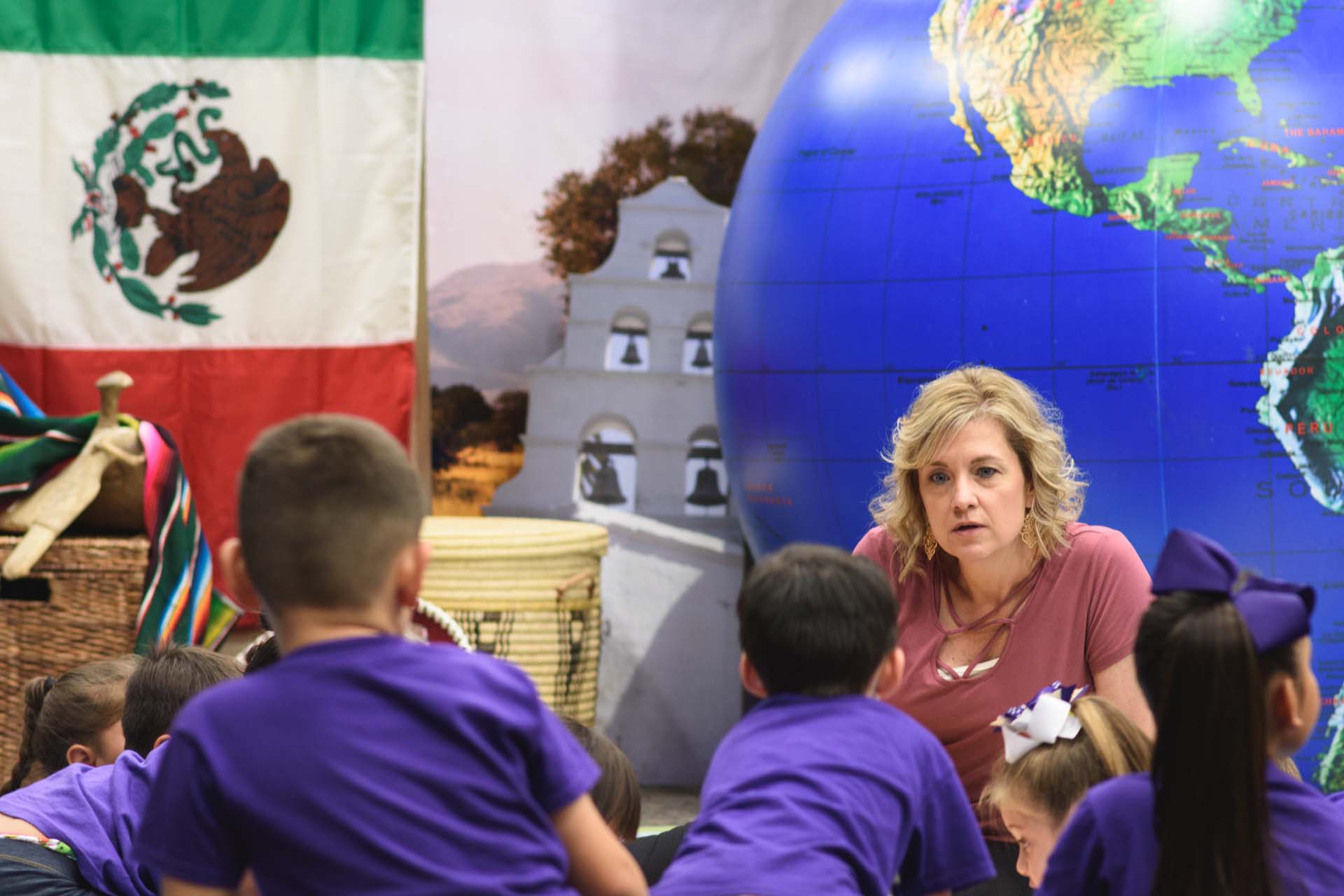
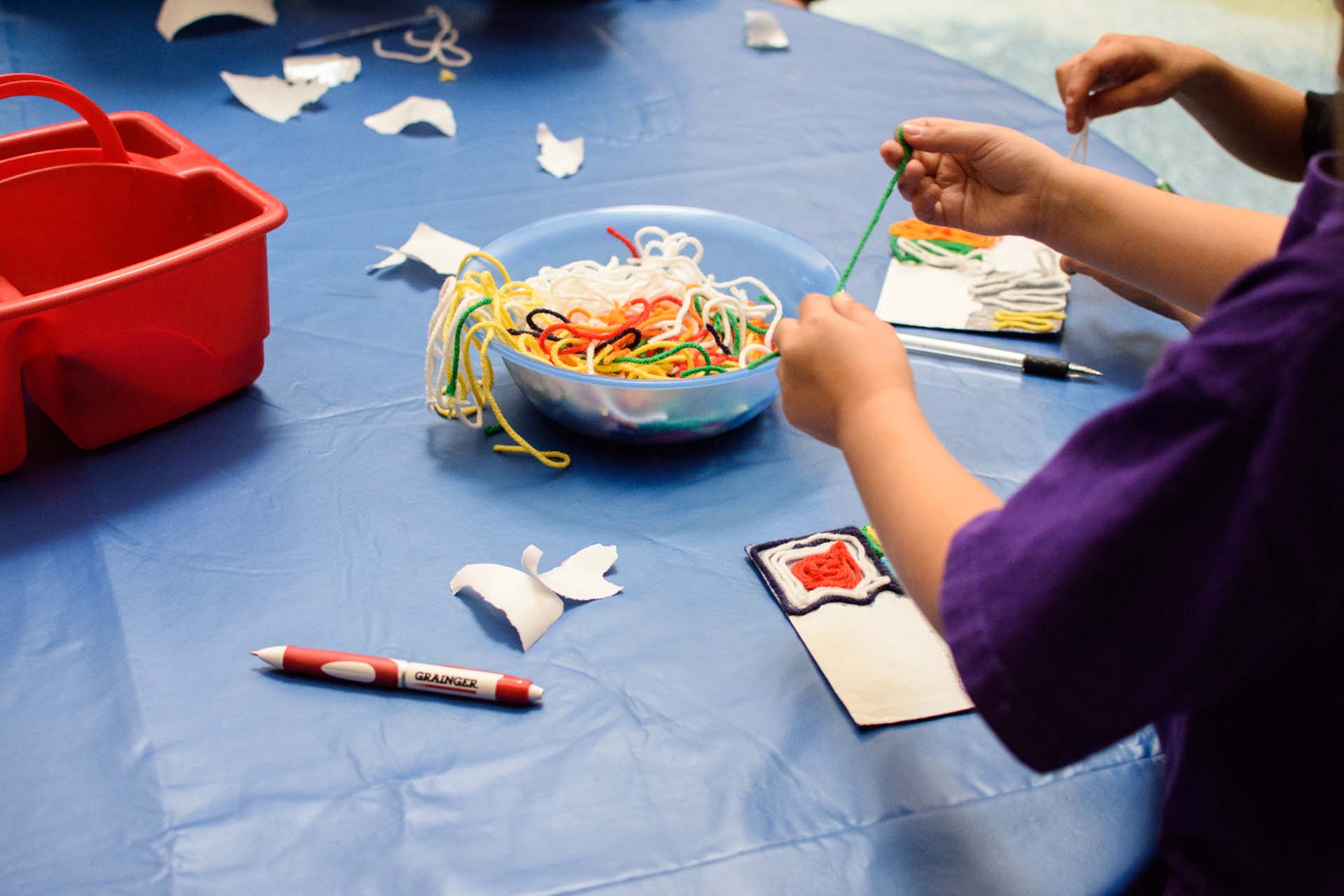
During your visit to the International Cultural Center, you looked at several murals and talked about their meanings. You were put into groups and given a topic. You then brainstormed ideas and drew pictures to try and express your topic without using words.

      If you could draw a mural about the United States, what images would you use to
               represent this country?
   Incorporate this same idea into any other subject you are studying.

   Science: If you are studying animals, have them draw 3 or 4 characteristics of the animal into a drawing. This will encourage the students to think past what the animal looks like.  It will help them focus on the characteristics and behaviors of the animal. This can be done in groups or individually. Have them use the worksheet to decide which characteristics to draw.

              Content/book reading: Have your students take a character from a book you are reading and use pictures to express that character’s personality.

  • Open-mind portrait-Have students take one of the characters and draw and color their head and face.  They can cut around the head and trace it on another piece of paper.  On this sheet, have them draw pictures that describe that character; what they like to do, what is important to them, what they feel, the people in their lives, etc.  Color these pictures and cut out the outline.  Students should place the face on top, punch a hole through both, and tie a string through the holes.  Have the other students guess which character was being represented.
     

  • Outcome prediction- Have your students read to a certain point, right after the climax of the story, then draw what they think might happen next.
                  

Top