
Alum Spotlight: Shyam Adhikari
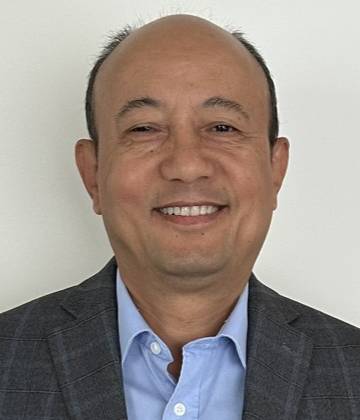
Dr. Shyam Adhikari serves as Managing Director of Agricultural Analytics at Guy Carpenter, a reinsurance arm of Marsh McLennan where he leads analytics efforts focused on agricultural risk. He began his reinsurance career at Aon in 2011 as a Senior Analyst in 2011 and advanced to the role of Managing Director. Dr. Adhikari earned his Ph D in Agricultural and Applied Economics from Texas Tech University, Lubbock in 2011. In addition, he has completed advanced data science certificate program from Northwestern University. He holds the Associate of Reinsurance designation.
Q&A with Dr. Adhikari
What inspired you to choose the Texas Tech University Agricultural and Applied Economics Department for your degree?
I became interested in agricultural risk management while pursuing my doctoral degree. I connected with Dr. Knight, whose career-long research in crop insurance introduced me to the field and shaped my research direction. His inspiration and mentorship helped me navigate the complexities of the Ph.D. program and confidently pursuing crop insurance research.
Was there a defining moment during your time in our department?
Yes, a defining moment came in my second year when I published a research paper in well-known peer-reviewed journal. That early success gave me confidence and momentum. With my advisor’s guidance, I ultimately produced five research papers during my Ph.D. program. The experience shaped my research approach and affirmed my commitment to agricultural risk management.
What challenges did you face early in your career?
Early in career I prepared for academic and research path, but the post 2007/08 financial crisis left few academic opportunities, so I moved into the industry. The transition was challenging to adapt to more siloed environments with less regularly scholarly interaction. Over time I addressed these challenges by seeking cross-functional collaboration, prioritizing practical outcomes, and tailoring my communication to varied audiences.
Which skills that you developed in our department have been most valuable in your professional journey?
I benefited most from the skills I developed in economic modeling, data management, and coding analytics software. Combination of these three skills gave me ability to build rigorous models through a large data set and enable me to automate and implement complex models. Presentation skills developed during my Ph D program helped me immensely to communicate results to both technical and non-technical audiences.
What impact does your work have, and who benefits from it?
My work helps American farmers by strengthening the crop insurance system that protects their incomes. I use data-driven risk models and analytics to help insurers and agencies price risk, manage exposure, and design programs that keep insurers solvent and producers protected.
What advice would you offer to current students in the department?
My advice to the students is threefold. First of all, maximize academic opportunities by enrolling in course work and participating in seminars and workshops. Second advice is to build a professional network through online portals and in-school networking events. Join LinkedIn and connect with faculty and alumni and request informational interviews to learn about career paths and opportunities. Third, gain practical experience and leadership skills. Pursuing internships or applied research early, join student clubs, and take on leadership roles to develop teamwork, communication, and project-management abilities.
What does being part of this department mean to you? What contributions do you hope to make, and what legacy would you like to leave?
I am immensely proud to be a product of this department. I value the opportunities and mentorship I received, and I will continue advancing crop‑insurance analytics and research for years to come. I plan to continue rigorous work in crop insurance analytics—translating research into practical tools, informing policy, and building partnerships between academia, industry, and producers.
Department of Agricultural and Applied Economics
-
Address
Texas Tech University, Department of Agricultural and Applied Economics -
Phone
806.742.2821 -
Email
aaec@ttu.edu