
Forensic Science Graduate Program Course Descriptions
FSCI 5101 - Seminar in Forensic Science: Features presentations and discussions by
faculty and/or invited guest speakers on current forensic science topics.
FSCI 5251 - Serial Crime: Develop an understanding of the constructs of deviant behavior
and how they relate to criminal activity and the impact that deviant behavior has
on victims and society as a whole. Case studies and related research topics in these
areas will be covered.
FSCI 5254 - Introduction to Forensic Drug Chemistry: An introduction to the basic
principles and uses of forensic drug analysis. Concepts include various drug categories
and appropriate analytical techniques for valid identification.
FSCI 5256 - Forensic Toxicology : An introduction to forensic toxicology, including
pharmacology, pharmacokinetics, specimen collection, and laboratory analysis. Emphasizes
duties and responsibilities of toxicologists in the laboratory.
FSCI 5257 - Explosives and Arson Investigation : Introduction to history of explosives/propellants,
detection of hidden explosives, processing scenes of explosions, theories of fire
investigation, and instrumental analysis of subsequent fire debris.
FSCI 5258 - Profiling and Forensic Science Investigation : Introduction to profiling
and forensic science investigation, focusing on fundamentals of profiling methods,
and theoretical and practical foundation of dynamics and motivation of serial offenses.
FSCI 5259 - Victimology: Provides a complete and integrated study of victimization,
including history and theories, interaction of crime victims within the criminal justice
system, and victim services.
FSCI 5260 - Report Writing and Expert Testimony: Seminar in effective report writing
and provision of expert testimony. Emphasis on critical aspects and execution of written
reports and practical experience of providing testimony.
FSCI 5308 – Fundamentals of Forensic Science: Overview of forensic science. Focuses
on general principles of criminalistics, scope, history, and development of forensic
science. Survey of physical, chemical and biological evidence.
FSCI 5331 – Forensic Science and the Law: Students will experience real-world topics
specific to legal issues.
FSCI 5352 – Ethics in Forensic Science: A survey of ethics and professional standards
in forensic sciences. Critical thinking and communication are emphasized.
FSCI 5353 – Research Methods in Forensic Science: A survey of research methods in
forensic science. Emphasis is on critical aspects of designing, conducting, and critiquing
experiments; and interpreting and communicating results.
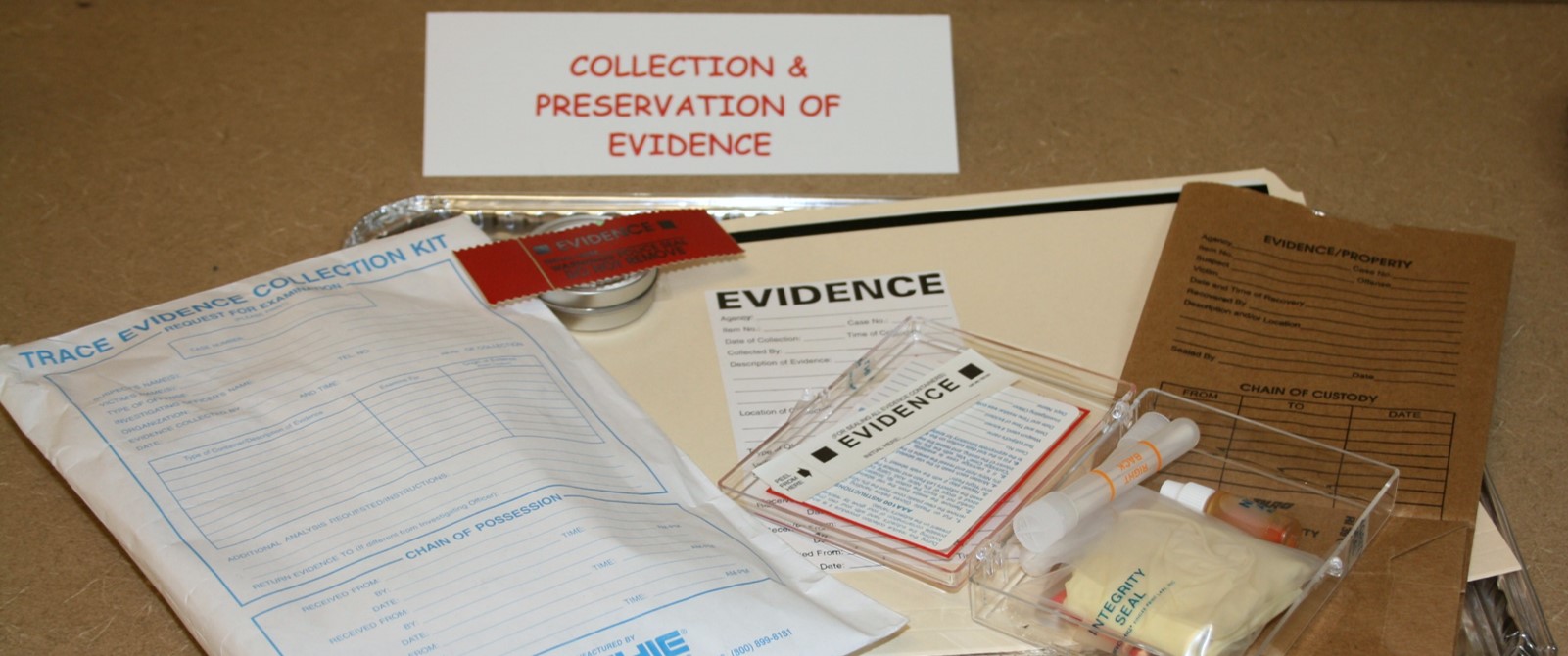
FSCI 5350 – Crime Scene Investigation: Relevant issues and the principles of forensic
science will be examined. Concepts of identifying, preserving, and collecting of evidence
as it relates to solving crimes will be emphasized.
FSCI 5355 – Instrumental Methods for Trace Evidence Analysis: This course covers the
theory and application of analytical chemistry concepts and methodology to the analysis
of physical evidence.
ENTX 6351/6352 – Analytical Toxicology: Lecture: Theory of isolation, detection, identification,
and quantification of toxic substances and their transformation products in environmental
and biological samples. Lab: Extraction, cleanup, and quantitative analysis of environmental
chemicals and their degradates. Reinforces and applies theories taught in ENTX 6351.
BTEC 6301 - Introduction to Biotechnology: Scientific bases of biotechnology techniques.
Applications of biotechnology and ethical and social impact.
Department of Environmental Toxicology
-
Address
Department of Environmental Toxicology, Texas Tech University, Box 41163, Lubbock, TX 79409 -
Phone
806.742.4567