
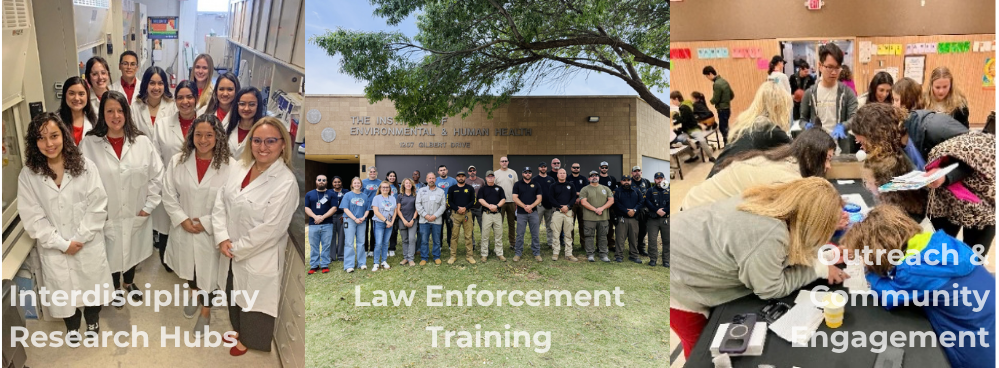
The Institute for Forensic ScienceAbout Us
Mission Statement
The Institute for Forensic Science advances the application of forensic science through education, research, training, and professional service. The Institute supports law enforcement agencies, the judicial system, students, and the broader forensic science community by providing high-quality educational opportunities, conducting innovative research, delivering specialized training, and offering scientific expertise and forensic services that promote excellence in the administration of justice.
Vision Statement
To be a global leader in advancing the science of justice through innovation, education, and collaboration – empowering forensic science to serve society with integrity and impact.
The Institute for Forensic Science advances the application of forensic science through education, research, training, and professional service. The Institute supports law enforcement agencies, the judicial system, students, and the broader forensic science community by providing high-quality educational opportunities, conducting innovative research, delivering specialized training, and offering scientific expertise and forensic services that promote excellence in the administration of justice.
History
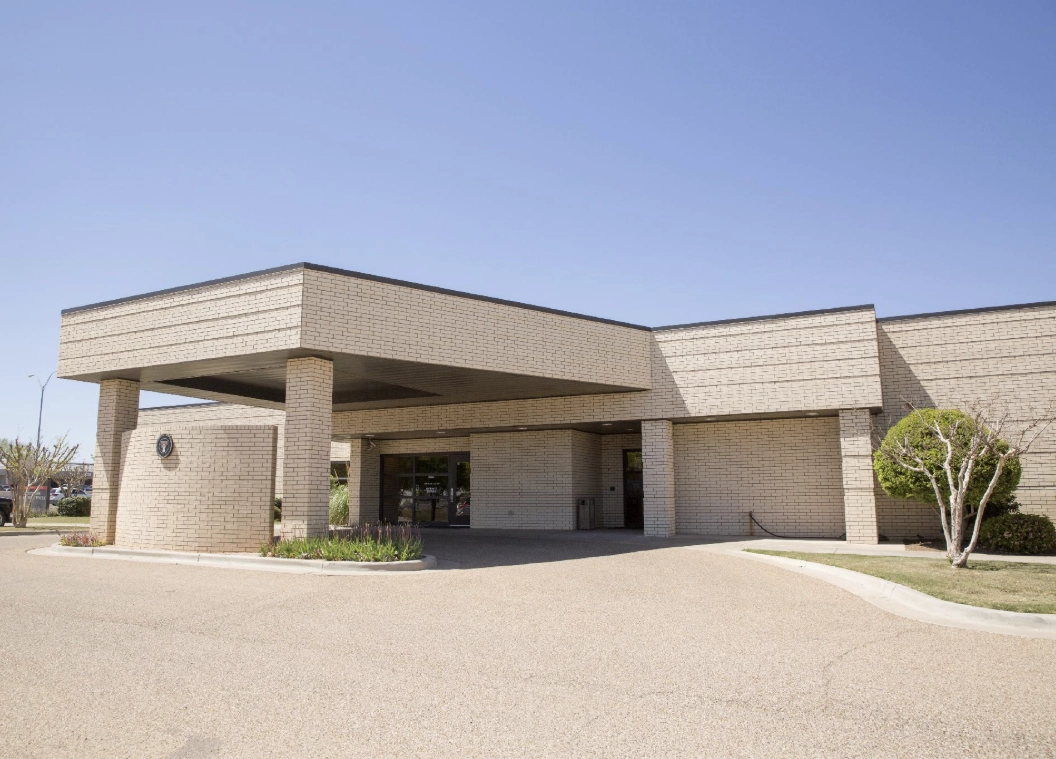
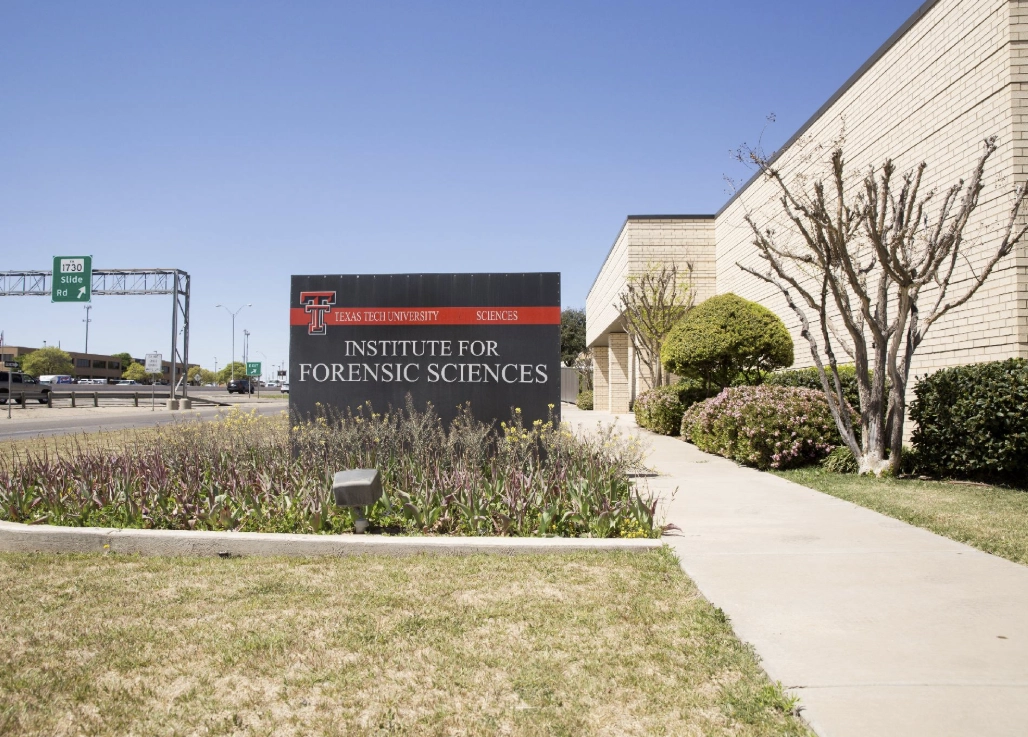
Texas Tech University’s Institute of Forensic Science Began in 2007
as a free-standing Institute with no departmental affiliation and was located near
South Loop 289 and Quaker Avenue.
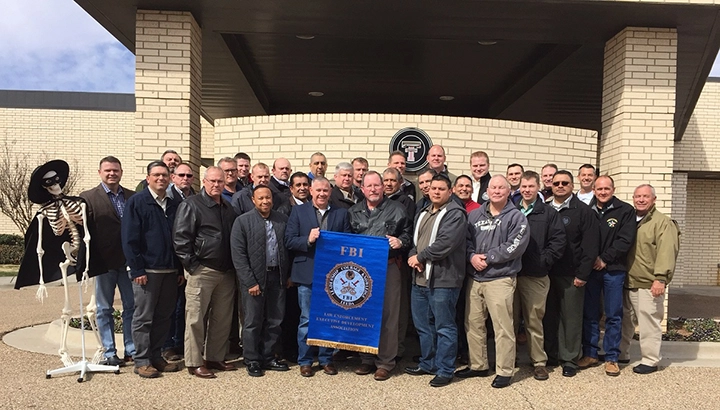
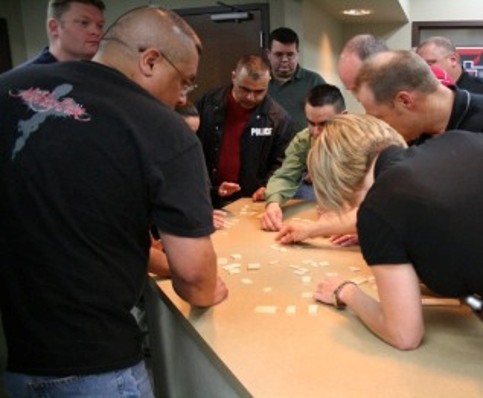
Since the beginning, the Institute for Forensic Science (IFS) Training Component has provided trainings, courses and detailed resources to help facilitate the dissemination of knowledge and increase the efficiency of professionals.
From 2007-2015,
the Institute had provided law enforcement training to approximately 3,633 personnel
hosting 196 classes.
Courses included Advanced Crime Scene Investigation, Death Scene Investigation, Supervisory Leadership, Fingerprint Comparisons, Computer Forensics, Digital Forensic Photography, and Blood Spatter Analysis.
In 2014,
the Institute created an interdisciplinary graduate degree which later became known
as the Forensic Science Graduate Program. 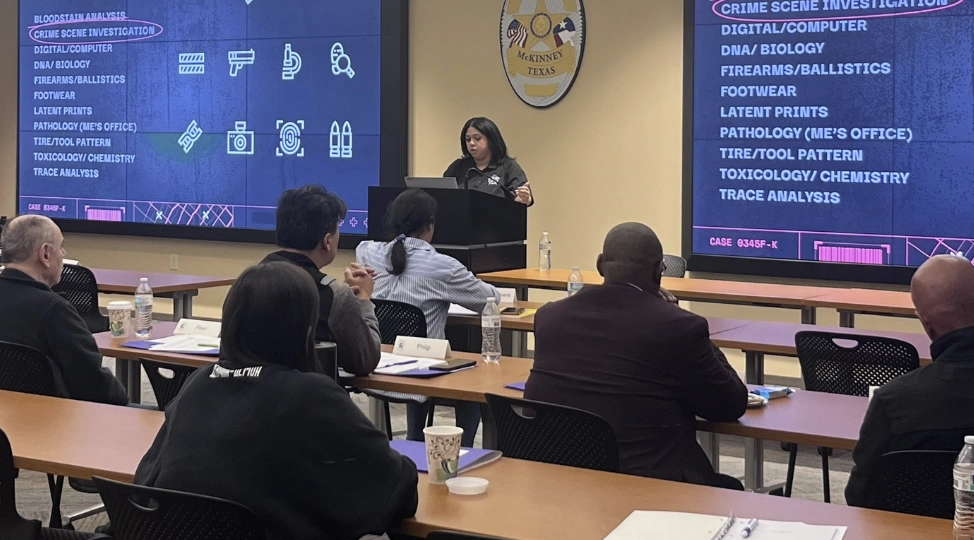
In 2018,
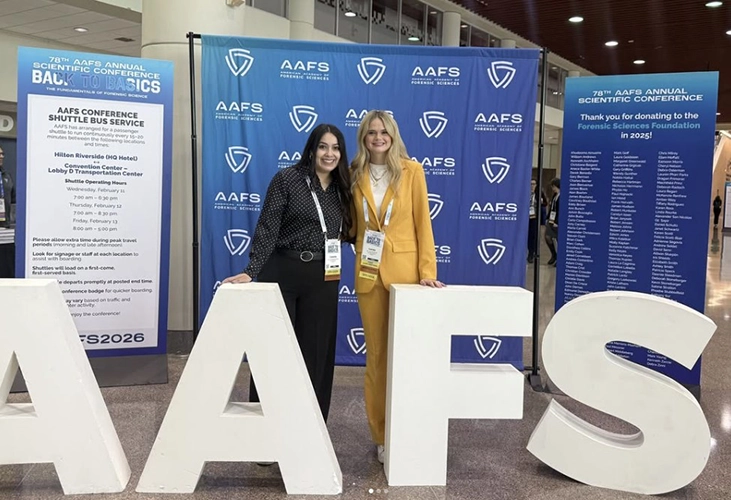
the IFS were relocated and merged with the Department of Environmental Toxicology.
The IFS would continue its role serving the law enforcement community and the graduate
program could be expanded providing faculty with academic visibility.
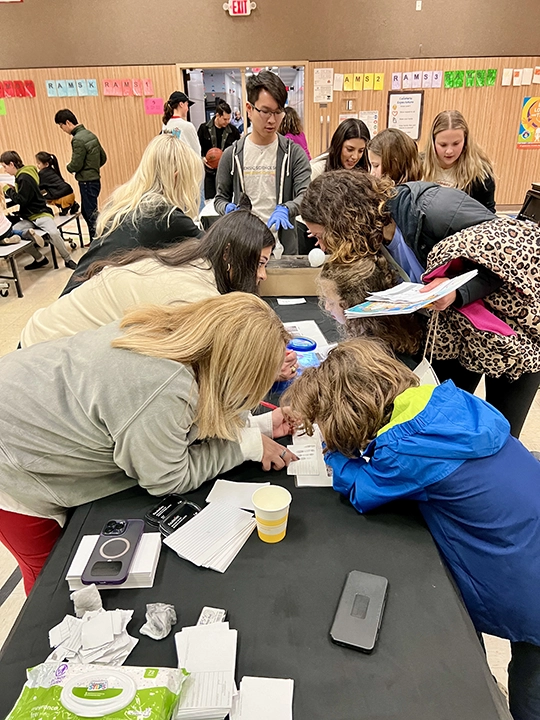
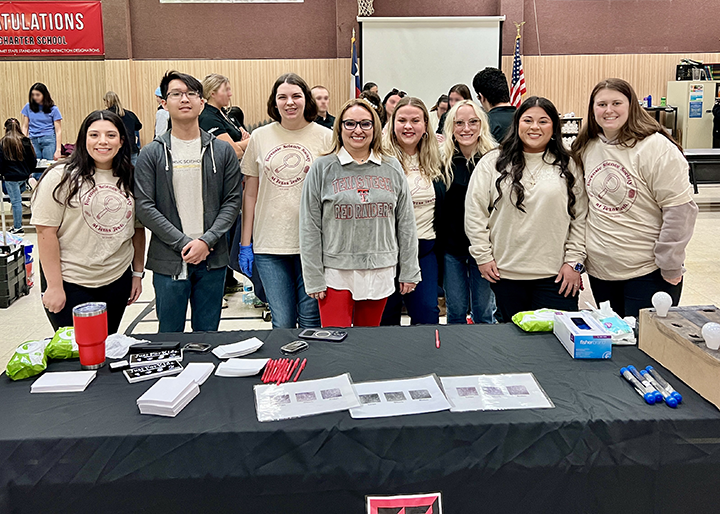
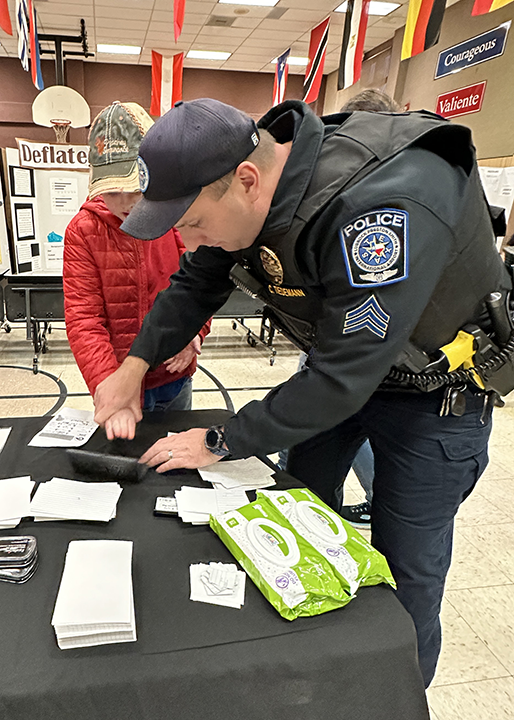
In addition, the IFS has provided seminars and open lab/field days to educators and
students alike to mentor educators on how to enhance their teaching experience and
expose students to the forensic science field to inspire exploration from a young
age.
Through these events, the IFS and graduate students are given the opportunity to engage
the community and share their knowledge and passion for forensic science.
Who Do We Serve?
The Texas Commission on Law Enforcement (TCOLE) has established 10 regions supporting
over 100,000 law enforcement officers and 2,740 agencies.
The Texas Commission on Law Enforcement (TCOLE) Region 1 known as the Panhandle region
has 51 counties. Lubbock being the centralized county within this region.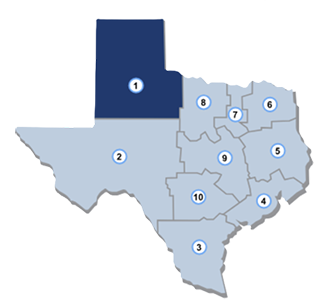
Region 1 is a highly rural area, majorly within the oil field and farming industries. In fact,
most of the Panhandle counties have very small law enforcement agencies with some
counties having only 2-3 officers in their units. Additionally, Region 1 is geographically
and socially isolated presenting a training challenge that is inherent to this specific
locality within the State of Texas.
The IFS recognizes the need for further law enforcement training opportunities and
therefore is looking to establish the Institute as a trusted training ground for local,
state, and federal agencies.
The goal is to directly service these rural and remote law enforcement agencies in
the Panhandle region to provide an educational foundation upon which officers can
improve their ability to identify and understand current threats and techniques and
simultaneously augment their ability to interact effectively in the communities which
they serve. Additionally, to develop continuing education modules so officers and
forensic staff can return for career-advancing training.
Department of Environmental Toxicology
-
Address
Department of Environmental Toxicology, Texas Tech University, Box 41163, Lubbock, TX 79409 -
Phone
806.742.4567