Explore mechanical engineering degrees in Texas focused on robotics, thermal systems,
aerospace, biomechanics, and energy — where design, innovation, and real-world engineering
come together.
Mechanical & Aerospace Engineering at the Edward E. Whitacre Jr. College of Engineering
Mechanical & Aerospace engineers design and build the machines that power our world
— from next-gen robotics and vehicles to renewable energy systems and medical devices.
With deep expertise in design, dynamics, manufacturing, and materials, our students
graduate ready to lead in industry or research. Whether you're launching a startup
or working at a national lab, a Mechanical & Aerospace engineering degree from Texas
Tech is your foundation for impact.
Innovate across industries — from robotics and aerospace to energy and biomechanics
— with one of the most versatile and high-impact engineering degrees in the world.
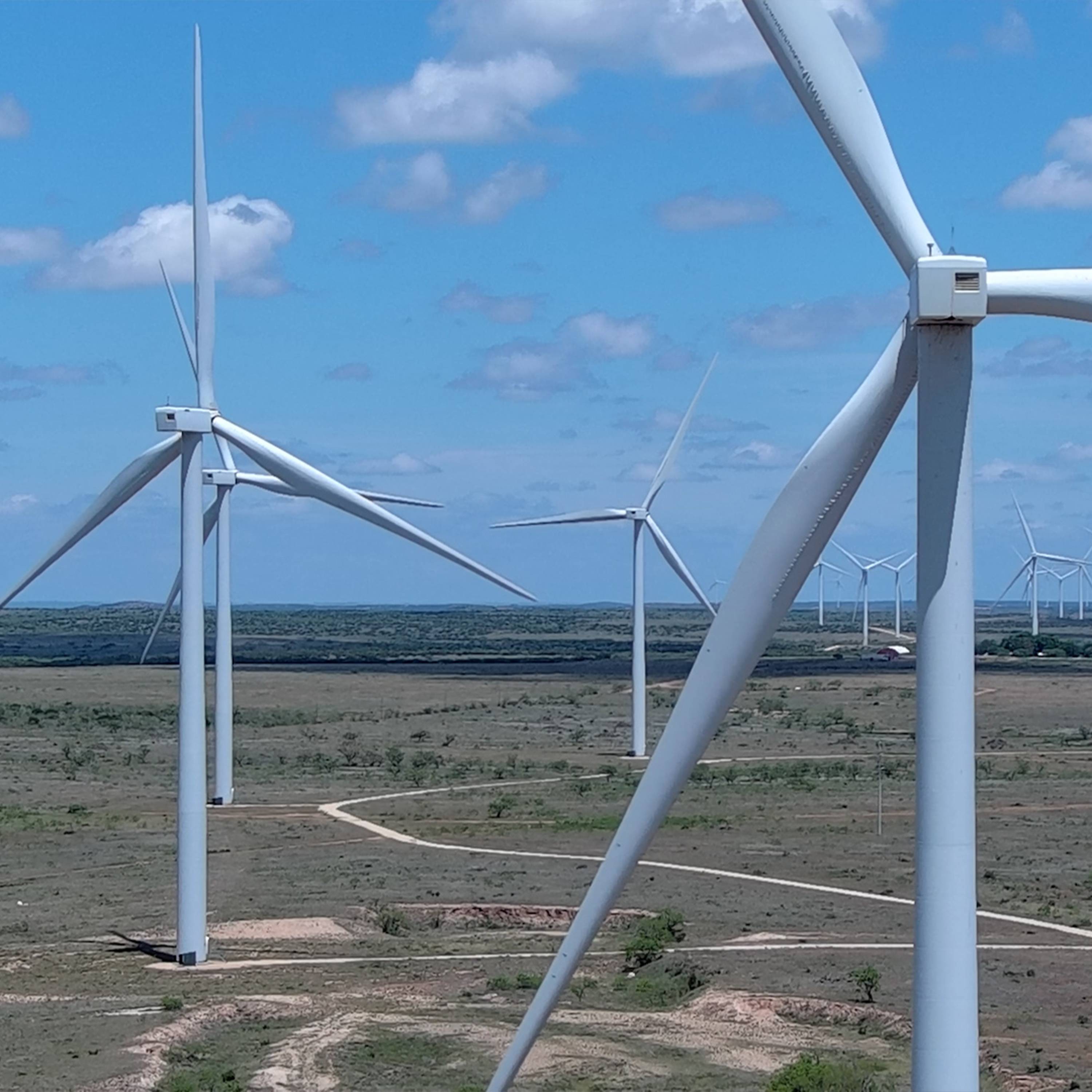
We study new ways to power the future, like batteries, fuel cells, and clean energy.
Our work also looks at energy storage, propulsion, and making systems work better.
We apply engineering principles to improve healthcare technologies, medical devices,
and patient care. Our research brings engineering and medicine together to develop
innovative solutions for healthcare.
The American Institute of Aeronautics and Astronautics (AIAA) has elected Texas Tech researcher Victor Maldonado as a 2027 Associate Fellow, an achievement that only 17% of members earn.
Texas Tech University researcher Dr. Zhongkui Hong has received a $594,288 grant from the National Heart, Lung, and Blood Institute, part of the National Institutes of Health, to investigate how interactions between cells and their surroundings contribute to atherosclerosis. The research could help identify new approaches to preventing or slowing the disease.
The project, “Actively Regulated Electrochemical Interfaces for Robust All-Solid-State Batteries Using Physics-Informed Learning,” aims to revolutionize all-solid-state batteries used for electric transportation, aviation and the grid.