The Department
Welcome
Greetings from sunny Lubbock! The Department has made significant progress since the spring of 2006. Dr. Khare who joined the Department in the fall of 2005, has settled in nicely, and has established his research laboratory, and is doing cutting edge research in computational chemical engineering. Dr. Sivaniah, a faculty recruit of fall of 2004, left Texas Tech University in the summer of 2006, to go back to England. We have started a nation-wide search for two vacant positions. Dr. Karlene Hoo was appointed as the Associate Vice President for Research in November 2006. She will be half time in the Department as a Professor of Chemical Engineering. The Department now has 11.5 regular tenure-track faculty members. The goal of the Departmental is to have 15 regular faculty members in the near future. Our research emphasis is in four distinct areas: Polymer and Advanced Materials, Bioengineering and Biotechnology, Advanced Computing and Modeling, Control and Optimization of Chemical and Bioprocesses.
The Department congratulates Drs. Lenore Dai and Brandon Weeks for being the recipients of the coveted NSF-CAREER award in 2007. This is indeed unique; very few Departments the country have two faculty members as recipients of the NSF-CAREER award in the same year. This is a reflection on the quality of the program and the faculty we have at Texas Tech University. Dr. Mark Vaughn received this award in 2002. Thus, all our recent hires have received the NSF-CAREER award. Dr. Hoo also received the NSF-CAREER award in 1997, when she was at the University of South Carolina.
We are continuously trying to upgrade our undergraduate teaching laboratories. We need funding to upgrade our Process Control Laboratories to include smart sensors, actuators, and implement field-bus technology and PLC controllers. We will look for industrial donors for this modernization project.
Our undergraduates are some of the most sought after students in the state. We had a smaller graduating class during the calendar year of 2006. All but one of our students found jobs by graduation time and many had multiple offers. To increase the quality and quantity of incoming freshman, the Department offered six $1000 scholarships to the top freshman applicants to Chemical Engineering. The Department attracts the very best applicants who apply to TTU; the average SAT for 2005 freshman class was one of the highest in the whole university. We are almost at our average target score of 1250. The small student to faculty ratio makes the Chemical Engineering Department at Texas Tech one of the programs of choice among many applicants. The undergraduates have the potential to gain research experiences in cutting edge technologies developed by the faculty in Chemical Engineering.
Our undergraduate and graduate enrollment show increasing trend for the last three years. Figure 1 shows the enrollment data.

Figure 1: Undergraduate and graduate enrollment
In the summer of 2006, I went to the South-East US Chemical Engineering Department Chairs Conference in Panama City, Florida. Approximately 30 schools participated in this conference; we compared data and deliberated various issues. Figure 2 shows a comparison of per faculty research expenditure at some well-known Chemical Engineering Departments in this group. This data is for 2005. Clearly, Texas Tech compares very favorably with these universities.

Figure 2: Research expenditure per faculty 2005
The undergraduate Chemical Engineering program went through the ABET reviews in the fall of 2005. Our program received six-year accreditation. This is a real accomplishment for the Department. I want to thank the faculty, students, and the alumni for their participation in this process. We are also indebted to Dean Eibeck for her continued support for our undergraduate and graduate programs.
The Graduate Program is enjoying resurgence with five new PhD students joining our program in the fall of 2006. Five of our undergraduate students chose to get BS/MS degrees from the Department. These students have excellent academic records and very high GRE scores (average quantitative GRE score of the incoming PhD students is 790). The total graduate enrollment now stands at 46 as of the fall of 2006, with approximately 37 PhDs in the program. In 2006, the department graduated 7 PhDs, making it more than 0.5 PhD per faculty member per year, which is at per with top Chemical Engineering Departments in the country.
The faculty performance and productivity has been stellar for the 2006 academic year. Professor Mckenna was selected as the Society of Plastics Engineers' (Polymer Analysis Division) 2007 Founders Award. Dr. Lenore Dai was voted again as the "Professor of the Year" in the Department by the seniors. This is her third such recognition in the last four years. Dr. Khare received the 2006 3M non-tenured faculty award. Dr. Hoo was the Program Chair for the 2006 American Control Conference held in Minneapolis, MN. She was also the Technical Program Chair for the Automation and Control Section of the ISA; the Conference was held in Houston, in October 2006. The Chemical Engineering faculty members were well-represented at the AIChE Annual Meeting in November, 2006. The faculty members and their research groups presented 20 technical papers at this meeting. Several faculty members chaired technical sessions. Drs. McKenna and Simon are on Development Leave in France for a year. We are sure they will bring back wonderful ideas, including culinary expertise! The research publications of the faculty have been approximately 4.0 refereed journal papers per year per faculty member; this is one of the highest at Texas Tech University. Another key factor that determines faculty productivity is the number of citations one receives for their research publications. Figure 3. shows the citations of the research publications of the Chemical Engineering faculty members during the last twenty years, as reported by the Web of Science. Obviously the Chemical Engineering Department has done extremely since 1999.

Figure 3: Citations of the Departmental Faculty
The Department is working closely with the College of Engineering and the University to address the space issue in the Department. The University is remodeling the ARCO Room and the Livermore Auditorium. This $10M project will start in April 2007. The plans have been finalized; there will be two large class rooms on the first floor and Chemical Engineering will have significant research space along with faculty and graduate student offices. The undergraduate-study area will also be accommodated. The Building will be called "Engineering Commons." We want to thank Dean Eibeck for her leadership in getting this project a reality.
This was the year of our Alumni, and their continued support of the Chemical Engineering Department. The College of Engineering has received (~$3M) gift from the Michael Laird Estate. He has directed his multi-million dollar gift to the Chemical Engineering Department for student support (~$1.5M) and to the Texas Tech Tau Beta Pi student chapter (~$1.5M). Mr. Michael Laird graduated from Texas Tech University with a Chemical Engineering degree in 1962 and then went on to George Washington University for his Law degree in 1968. Mr. Laird resided in Orange County California and was a patent attorney and worked for Unocal. We want to thank all the contributors to the Department for their generous gifts; it really makes a difference in attracting high quality graduate and undergraduate students to the Department and the College.
Overall, I want to thank all the faculty, staff and students for their contributions to the Chemical Engineering program. Go Raiders!
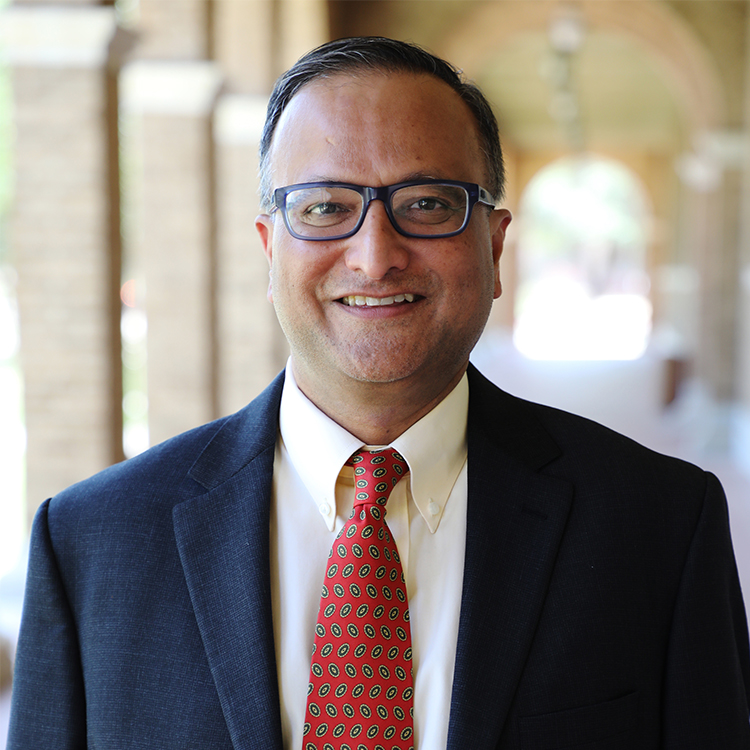
Naz Karim