
May 05, 2026
Texas Tech's College of Media and Communication proudly recognized its students and faculty mentors who participated in one of the nation's largest undergraduate research events during Discoveries to Impact Month.

College of Media & Communication
It all starts at the College of Media & Communication.
Read news for alumni and friends of Texas Tech University College of Media & Communication. [Read the latest news.]
May 05, 2026
Texas Tech's College of Media and Communication proudly recognized its students and faculty mentors who participated in one of the nation's largest undergraduate research events during Discoveries to Impact Month.

May 01, 2026
Senior journalism major Aynsley Larsen is recognized for her leadership, storytelling and impact within the College of Media & Communication.
The College of Media & Communication is more than just an institution. I am constantly amazed by the faculty and staff, and their mission to create outstanding students and professionals. I am so proud to be involved in an environment that truly feels like family.
Curry Wilson
Albany, Texas
Public Relations
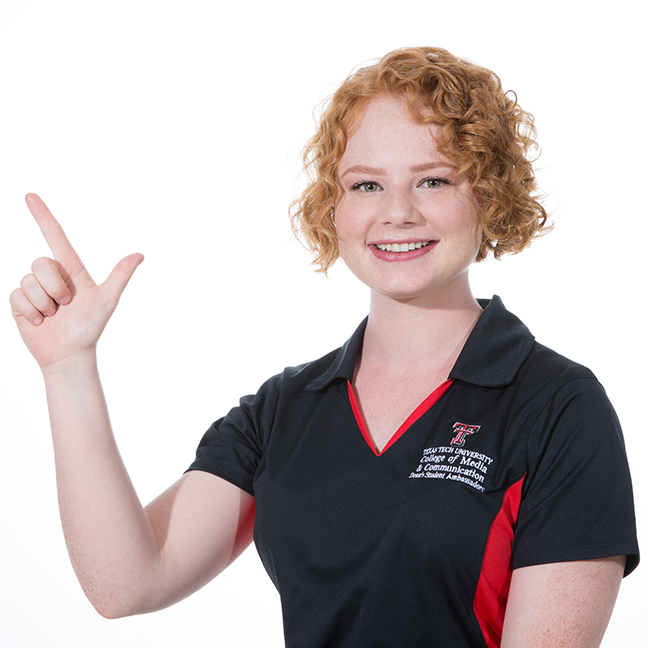
The College of Media & Communication incorporates a wide array of topics into the curriculum that are pertinent to everybody no matter their status in life. Our college analyzes topics that are both new and old creating a versatile prospective for our graduating students. Being involved with the Dean’s Ambassadors creates opportunities and relationships that will propel future careers.
Collin Edwards
Round Rock, Texas
Advertising
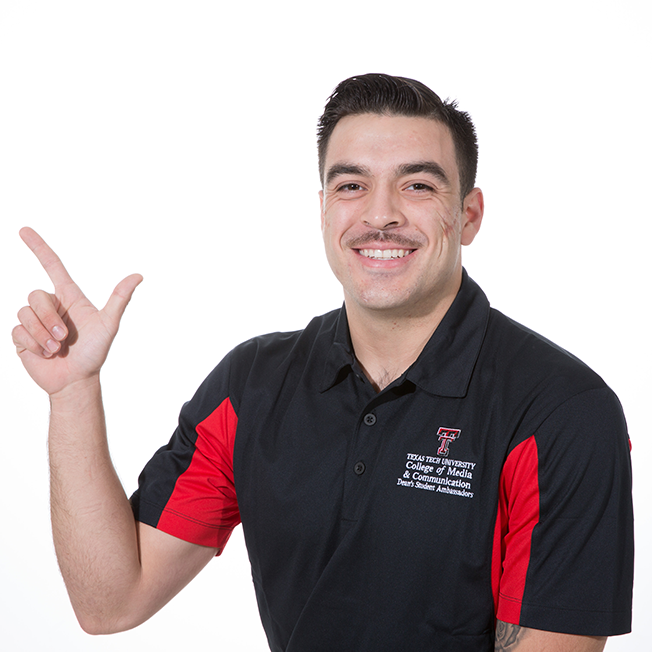
The College of Media & Communication is like no other college on campus. It’s more than a community, it’s a family and I can’t wait to see where my CoMC family takes me!
Michael Gray
Roscoe, Illinois
Advertising
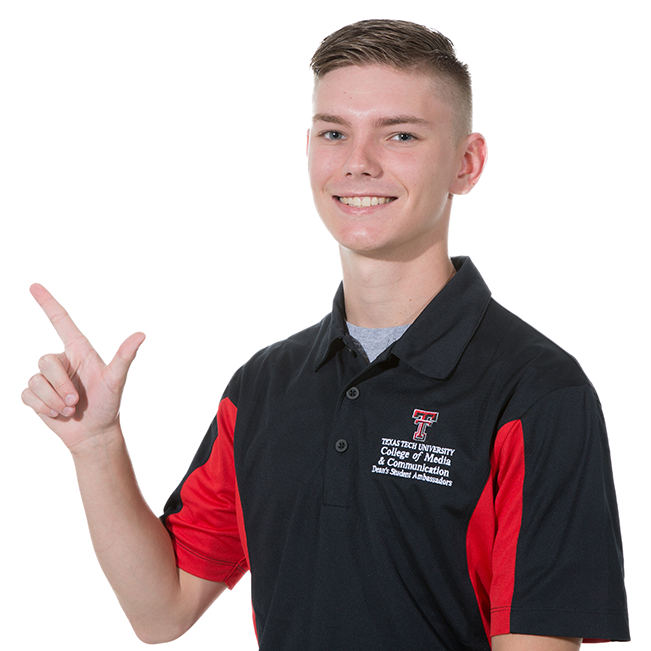
Being from a small town, I was nervous about how I would mesh at a big university. I learned quickly I was in the best place possible for me at CoMC. The college itself is like a tight-knit community and feels like a home away from home. Most staff members have worked in their designated industries and give a real-life insight that has made my learning experience the best. I know my degree from CoMC will take me anywhere I dream!
Nydia Natividad
Pecos, Texas
Journalism
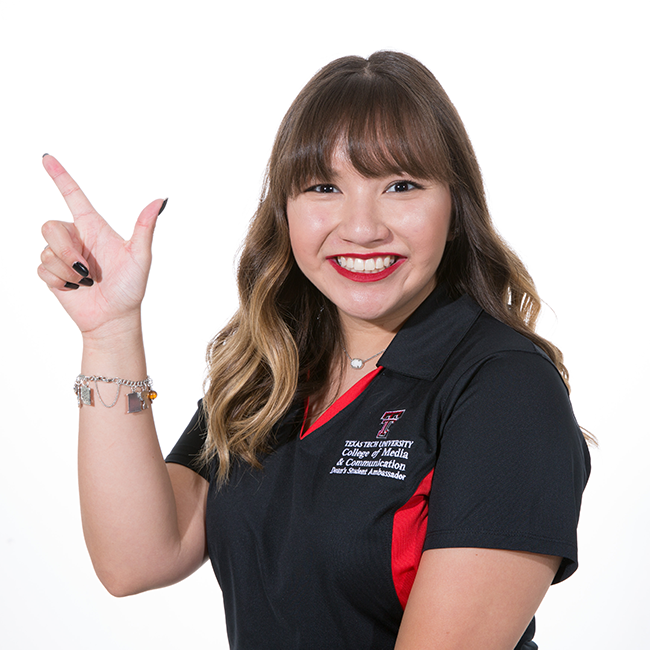
The College of Media & Communication has shown me that it is possible to love your school and major. There are so many wonderful opportunities at the reach of your hands that this college can provide for you. From the professors to the staff, everyone is there to make sure you reach those goals that you have set for yourself.
Olu Okororie
Dallas, Texas
Media Strategies

The College of Media & Communication has truly fueled my desire to learn. The classes are applicable to the real world and to the future careers we may choose. The professors have a true passion for teaching and have brought to light the many opportunities and doors our degrees can open for us.
Taylor Stewart
Ramona, California
Communication Studies
College of Media & Communication