Conferences
Research fellows and associates present work, exchange ideas, and participate in national conversations on disaster resilience and housing recovery.

Center of Excellence in Capacity-building for REsilient Housing
CECREH advances resilient housing research by supporting emerging scholars through applied internships, research travel, technical training, conferences, workshops, and community-engaged professional development.
These activities connect computational research, disaster recovery policy, housing advocacy, field learning, and interdisciplinary collaboration.
Research fellows and associates present work, exchange ideas, and participate in national conversations on disaster resilience and housing recovery.
Travel to partner institutions and experimental facilities strengthens technical learning and cross-institutional collaboration.
Applied internships connect CECREH research with housing advocacy, recovery programs, and public-facing implementation.
Specialized training builds capacity in climate science, compound hazards, CDBG-DR programs, data analysis, and resilience methods.
CECREH research fellows and associates are building capacity through national workshops, policy engagement, research travel, internships, and advanced technical training.

Amin Sobhani completed the two-week Beyond Boundaries colloquium, strengthening skills in compound-hazard research, systems thinking, convergence science, and interdisciplinary collaboration.
Read CECREH story
Amin Sobhani completed a summer internship with NLIHC focused on disaster-housing policy research, public-facing communication, legislative analysis, and engagement with survivor advocates and congressional offices.
Read CECREH story
Amin Sobhani presented a preliminary system-dynamics model of post-Harvey housing recovery, focusing on funding, administrative delays, construction capacity, and reconstruction backlogs.
Read CECREH story
CECREH research on CDBG-DR implementation and agent-based post-disaster housing recovery simulation was shared through conference presentations.
Read CECREH story
CECREH research published in Urban Climate compares statistical and machine-learning approaches for screening NFIP-insured housing losses across three major flood disasters.
Read CECREH story
CECREH faculty, research fellows, and research assistants presented ongoing work at the 2026 Natural Hazards Workshop and Researchers Meeting, contributing to national conversations on disaster resilience, housing recovery, and governmental capacity.
Read CECREH story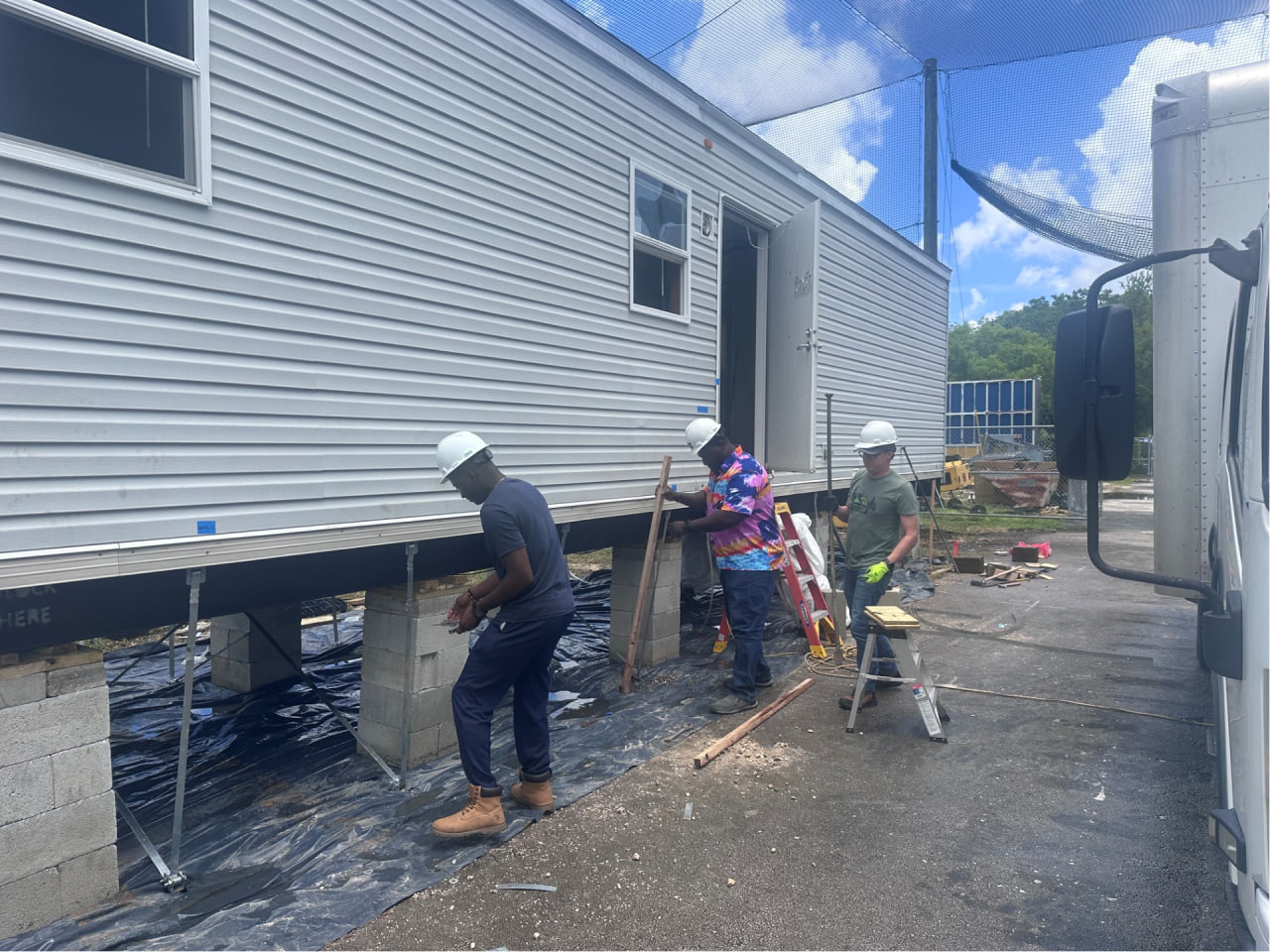
Paul Iyoha participated in full-scale manufactured-housing wind testing at FIU’s Wall of Wind, gaining direct experience with anchorage systems, instrumentation, installation practices, and structural response for CECREH’s resilient manufactured-housing research.
Read FIU story
Paul Iyoha’s research travel to the University of Kansas strengthens CECREH’s cross-institutional collaboration, technical exchange, and student professional development.
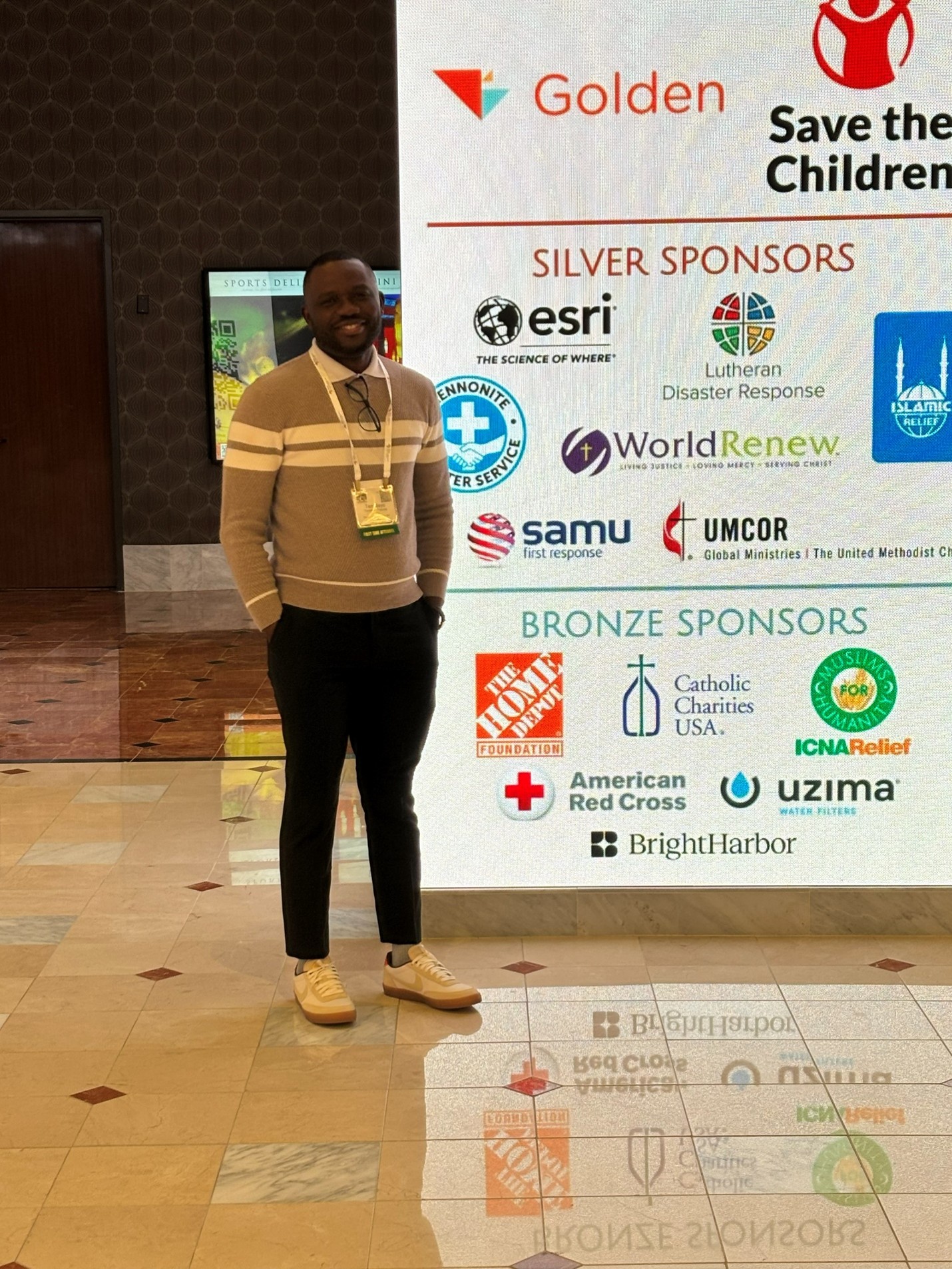
Temidayo Popoola attended the NVOAD Conference, engaging with long-term disaster recovery systems, inclusive recovery approaches, technology and data tools, and cross-sector coordination for community-based resilience.
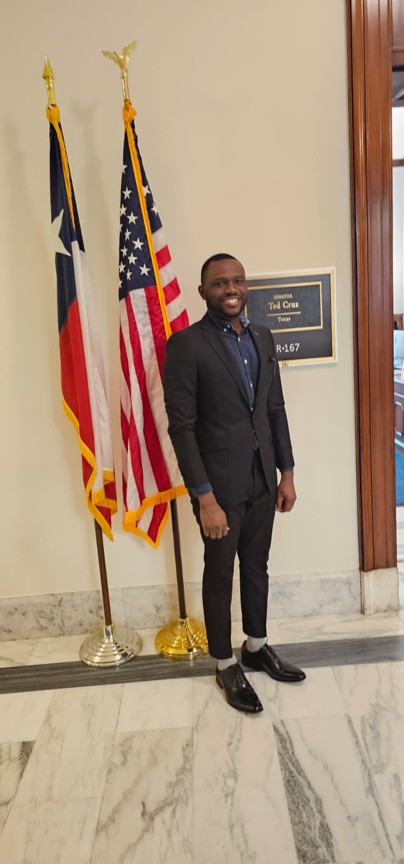
As part of the ASFPM Policy Advocacy Practicum, Temidayo met with staff from the offices of five U.S. senators to share insights from flood-related housing loss research and discuss how technical work can support disaster risk decision-making.
Temidayo participated in the Bill Anderson Fund Spring Workshop at the University of Washington, strengthening interdisciplinary research capacity around disaster risk, housing impacts, vulnerable communities, and resilience-focused collaboration.
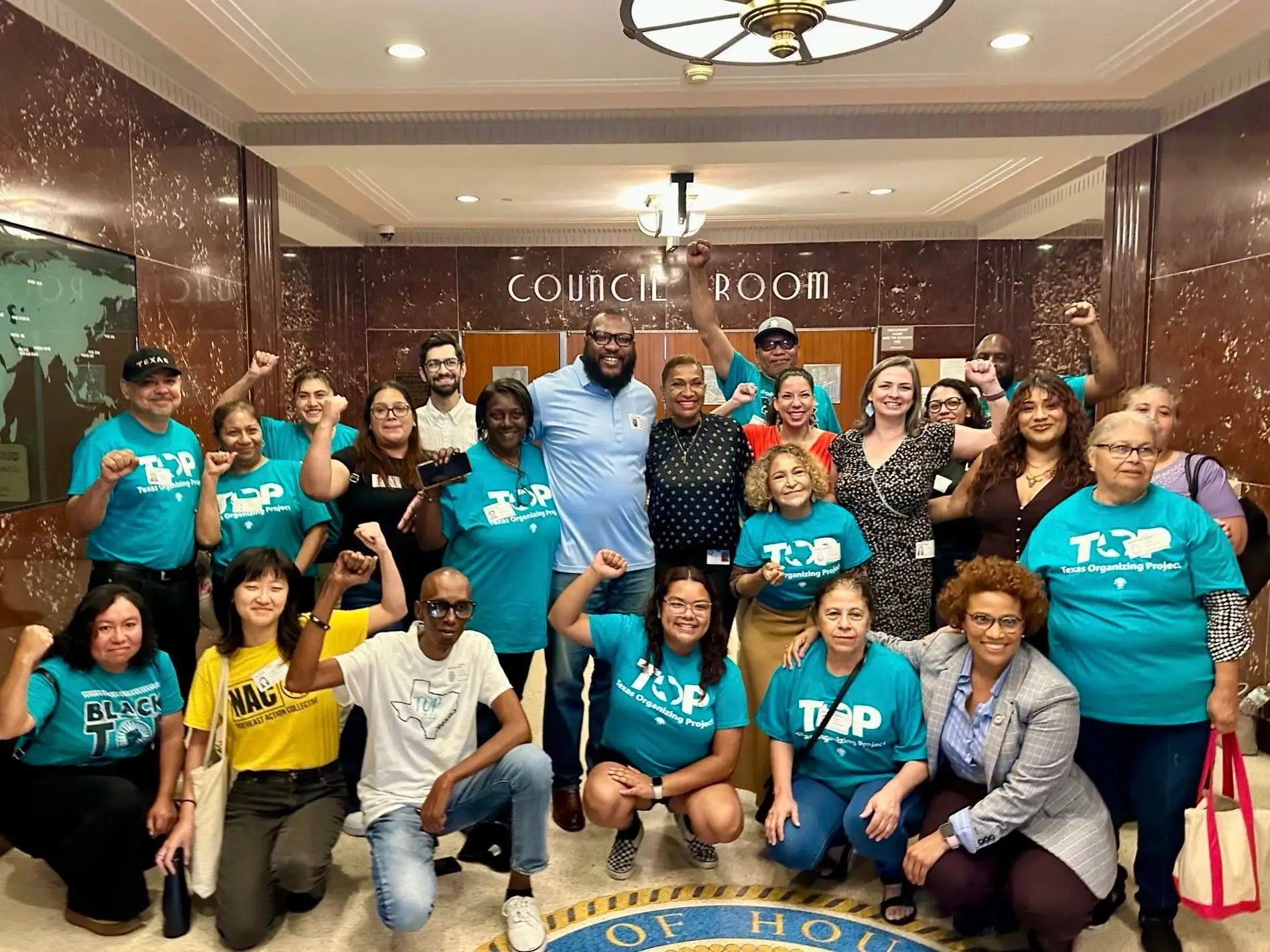
Amin Sobhani participated in a community-based internship focused on disaster recovery housing programs, advocacy, and equitable CDBG-DR investments.
Read CECREH story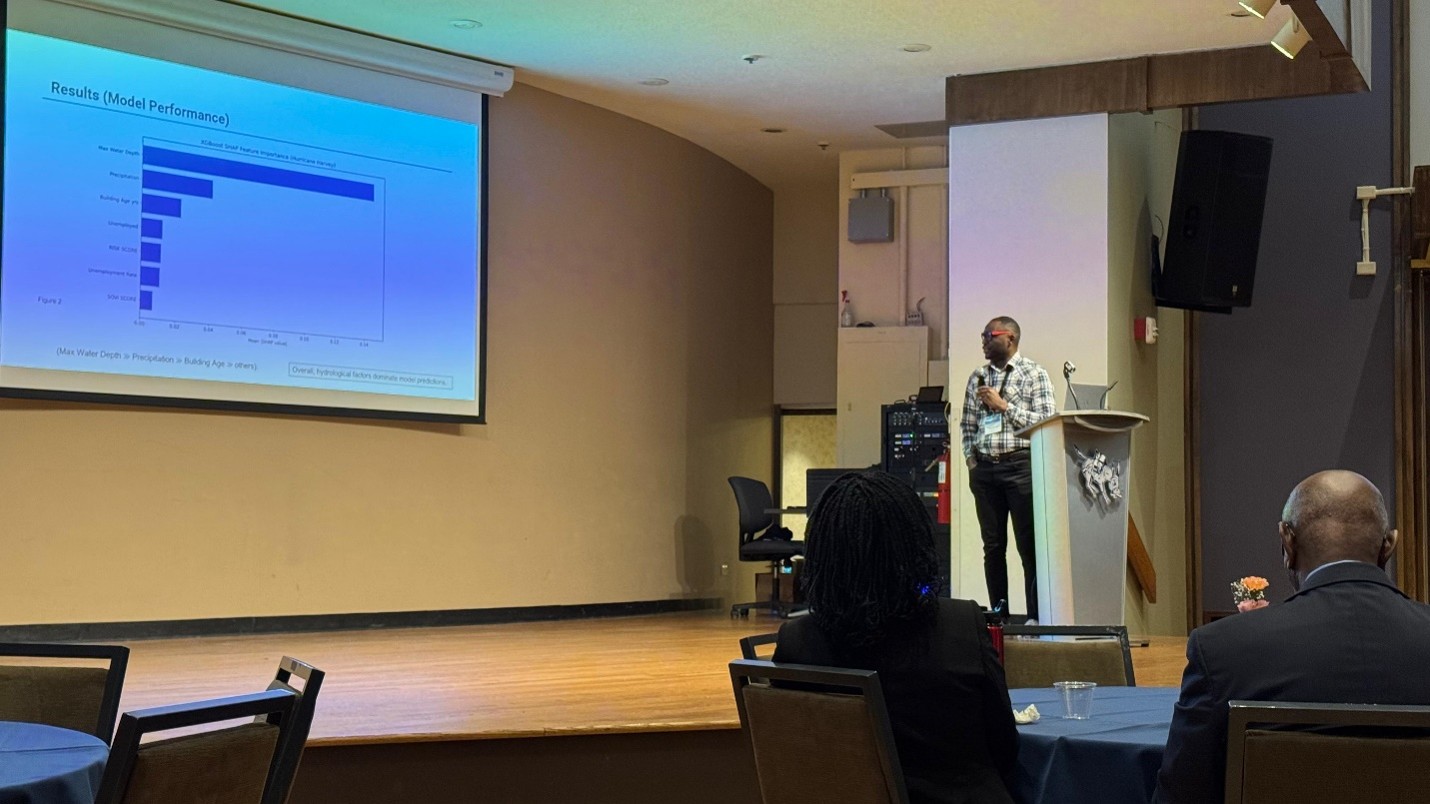
Temidayo delivered an oral presentation titled Modeling Housing Damage from Hurricane Harvey in Harris County, highlighting how machine learning can integrate hazard, exposure, and vulnerability to improve prediction of flood-related housing damage.
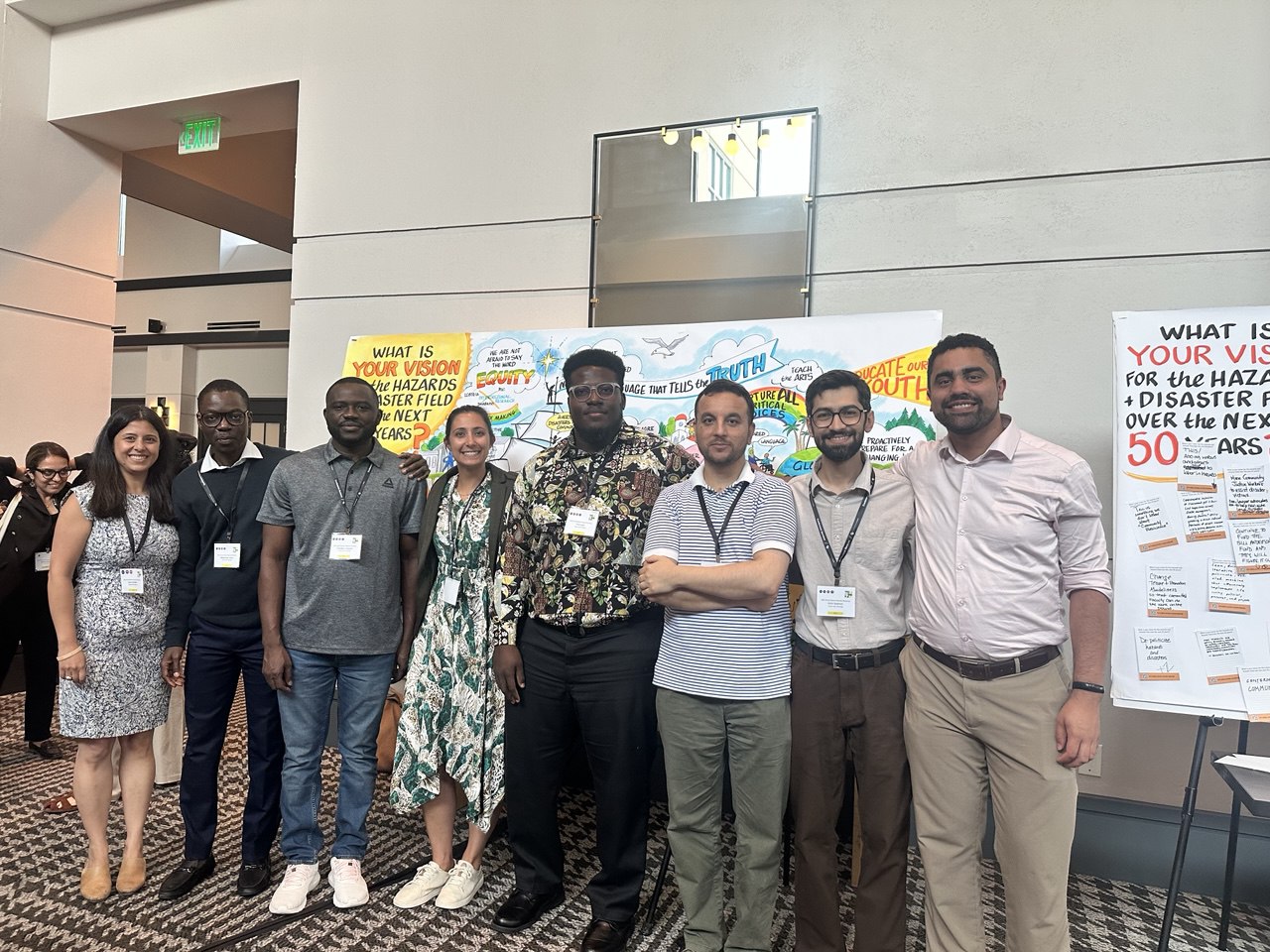
CECREH faculty, students, and research associates participated in the 2025 Natural Hazards Workshop, strengthening national engagement around resilient and equitable disaster recovery.
Read CECREH storyFollow CECREH to see research milestones, student achievements, professional development highlights, and center-wide announcements.
Center of Excellence in Capacity-building for REsilient Housing