

 E.L. Reed Herbarium at TTU
•Plant Molecular Biology •Small RNA-Mediated Processes in Plants •Plant Ecology and Evolution • Fire Ecology •Plant Molecular Biology •Plant Molecular Genetics •Plant Biotechnology •Soil Microbial Processes •Plant Physiology •Chihuahuan Desert •Phylogenomics •Plant Systematics •Bryophyte Evolution •Bioinformatics •Plant Population Genomics & Bioinformatics •Plant mating System Evolution •Soil/Sediment Microbial Ecology •Bioremediation •Restoration Ecology •Sustainability Science
Herbarium Director
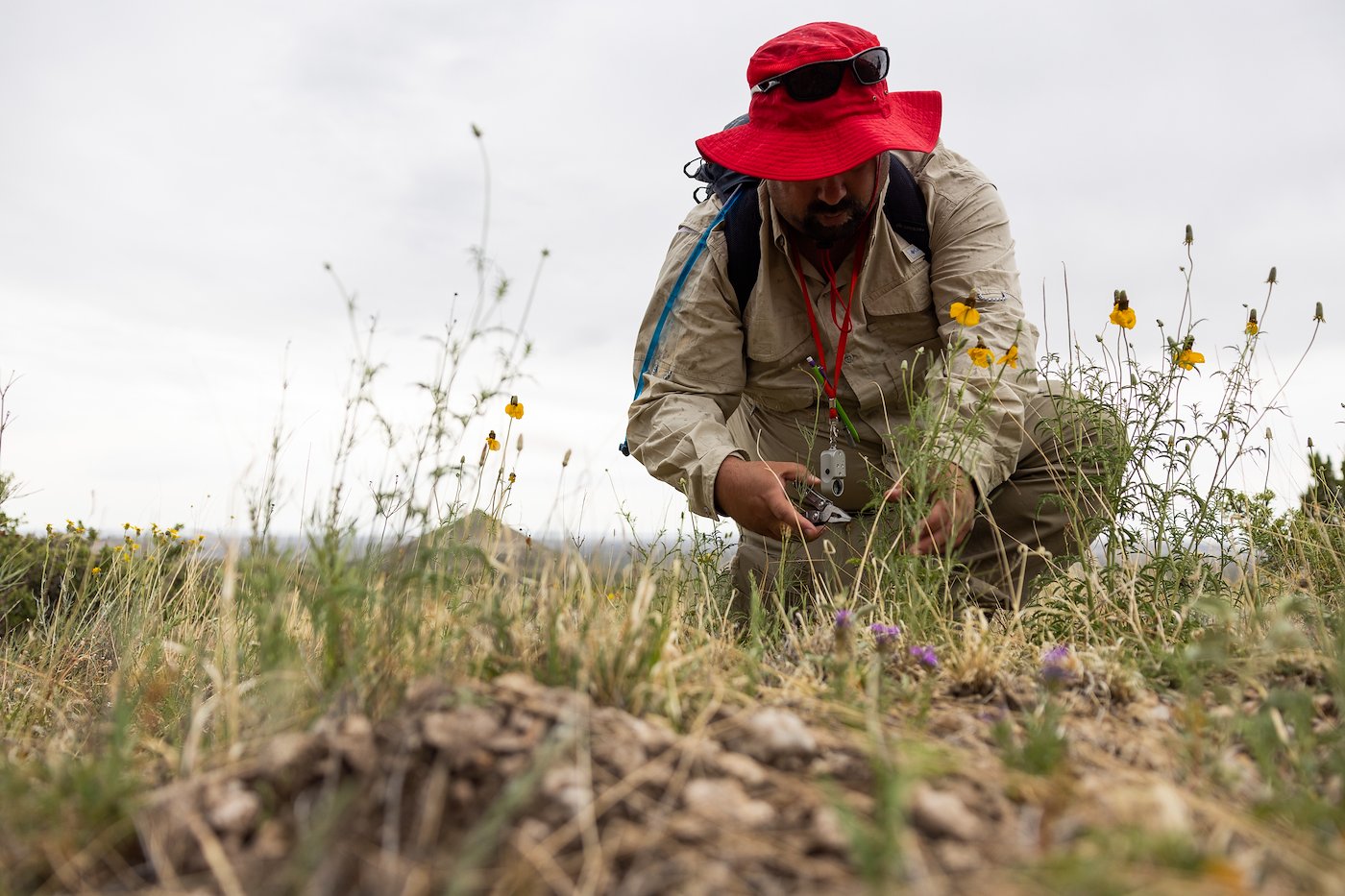
Dr. Matt Johnson has been Herbarium Director since 2017. His research focuses on what forces drive the origin and maintenance of biodiversity in plants, using a phylogenomics toolkit. Students in his lab use historical specimens to identify past patterns of genetic diversity, plant physiology, and plant-biotic interactions. He teaches Biology of Plants (BIOL1401), Evolution of Plants (BIOL3404) and Field Botany and Natural History Collections (BIOL4302), all of which use herbarium specimens as part of course instruction. He is a member of the steering committee for the Texas-Oklahoma Regional Consortium of Herbaria (TORCH) and faculty advisor for the West Texas Association for Botany, a student chapter of the Botanical Society of America.

The E.L. Reed Herbarium
The E.L. Reed Herbarium, located on the 7th floor of the biology building at Texas Tech University, houses over 31,000 recorded vascular plant collections and an estimated 10,000 unrecorded specimens. The collection ranges from the South Plains & West Texas to various other regions.
The Herbarium is equipped with two imaging stations, dissecting and compound microscopes, and a classroom space for meetings and curation of specimens. To make an appointment to visit the Herbarium, or for information on loans and destructive sampling, contact Dr. Matt Johnson (matt.johnson@ttu.edu)
Your generous gifts directly impact our students and provide new research opportunities and capabilities.
History
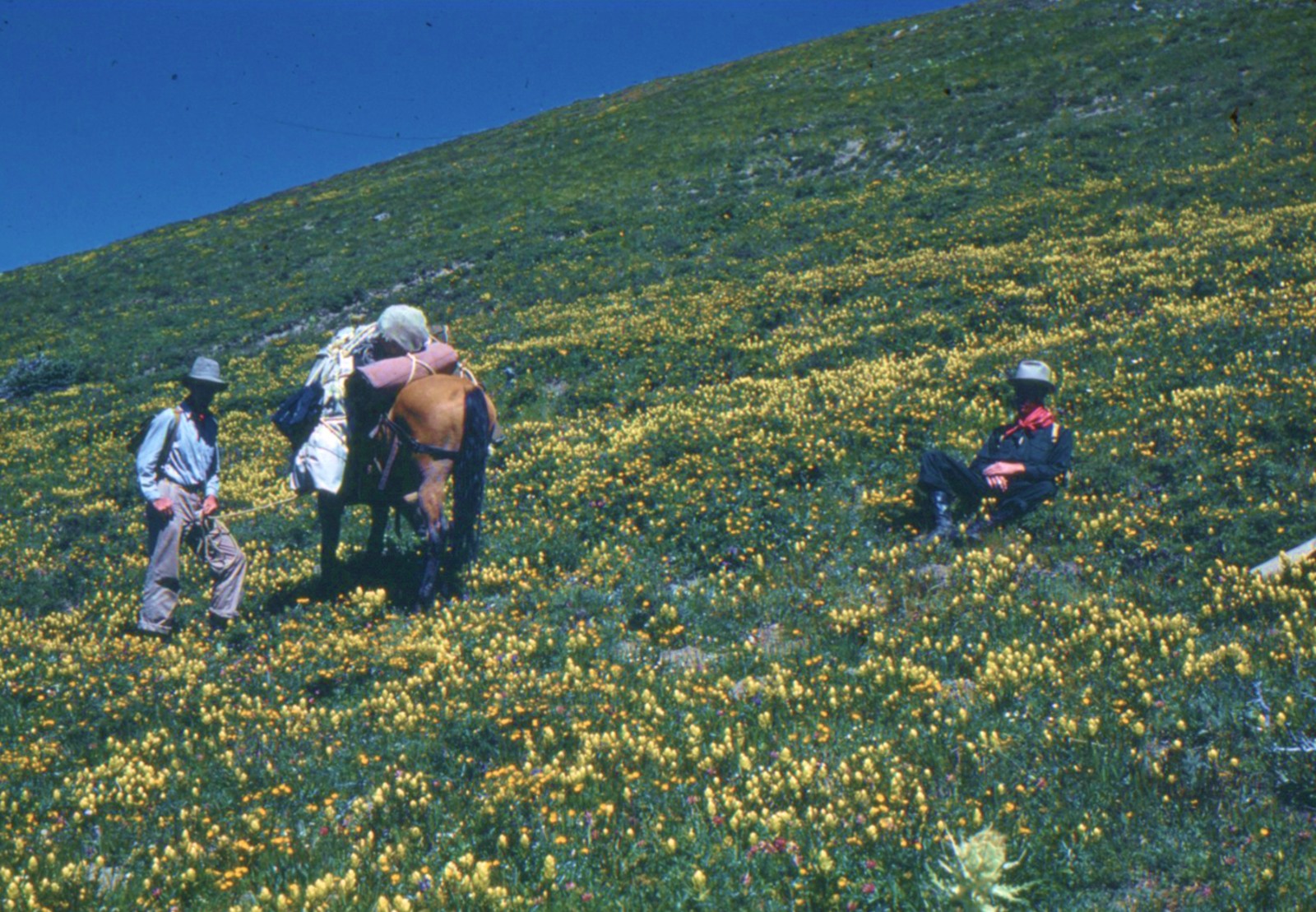
The Herbarium first opened its doors in 1925, under the leadership of Prof. R.A. Studhalter, who focused on plant anatomy in Bryophytes. In 1928, Dr. E.L. Reed became the first director of the herbarium. Large collections were later added by Dr. C.M. Rowell, Dr. D.K. Northington, Dr. T. Burgess, and Dr. C.H. Werth, expanding the collection both geographically and taxonomically. In 2017, Dr. Matthew Johnson became the herbarium's 6th director. In 2019, the E.L. Reed Herbarium became the official repository for plants collected in the Guadalupe Mountains National Park.
Under Dr. Johnson’s leadership, the herbarium has begun to digitize, uploading its specimens onto digital databases. The E.L. Reed Herbarium specimens are currently housed at the TORCH Portal on Symbiota and The Consortium of Bryophyte Herbaria.
Research
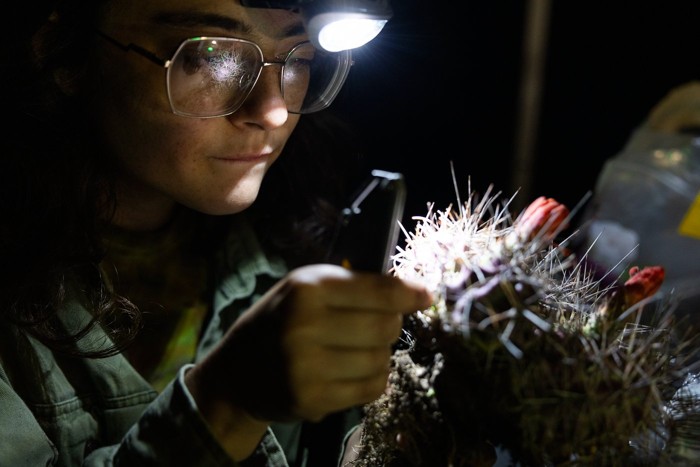
Why are herbaria so important? Dried, pressed plant specimens can be used to help researchers identify species and serve as a record of plant diversity. The collection can be used to track the occurrence of plant species across space and time. Recent advances in molecular systematics make sampling these antique specimens for DNA sequencing feasible for the first time. Herbarium specimens are an underused resource for phylogenetics in plants.

Teaching
The E.L. Reed Herbarium has a classroom space for up to 16 students and can host groups or classes for tours and demonstrations. Students can learn the process of specimen preservation and digitization. Each year, over 200 students visit the Herbarium in courses ranging from Biology, History, English, and Art. We have also made presentations to K-12 courses and organizations including the Texas Master Naturalists. If you would like to schedule a time to bring your class or organization to tour the herbarium, please contact Herbarium Director Dr. Matt Johnson, matt.johnson@ttu.edu
Department of Biological Sciences
-
Address
Department of Biological Sciences, Texas Tech University, Box 43131 Lubbock, TX 79409 -
Phone
806.742.2715 -
Email
biology@ttu.edu