

How one design student balanced technical requirements with creative vision
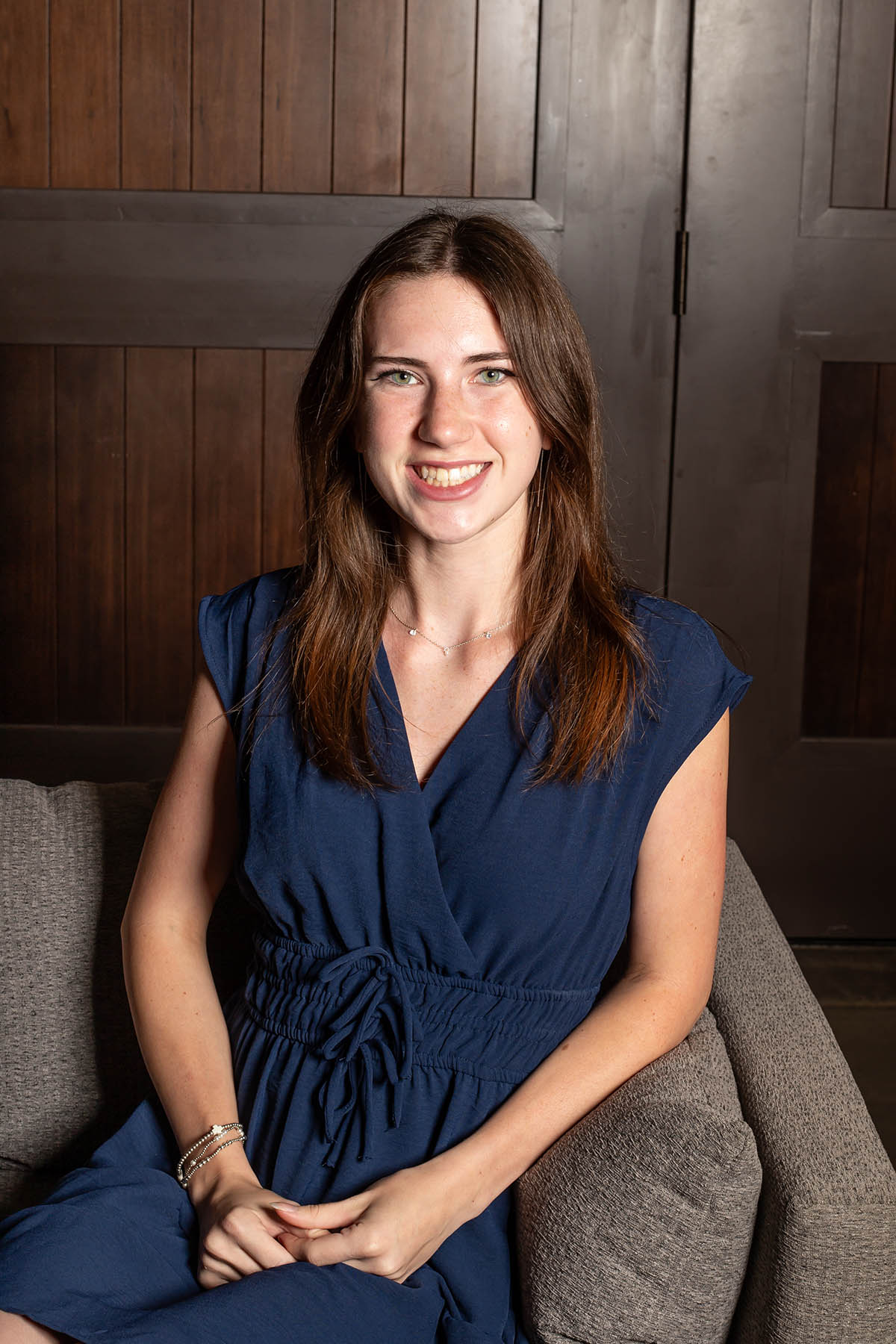
When Natalie Roman faced the assignment to design a boutique hotel representing a country of her choosing, she didn't play it safe. She picked France specifically, a luxury hospitality space inspired by the elegance of Reims that would push her beyond anything she'd attempted before.
"I was drawn to France because I wanted to challenge myself with designing a space that felt ornate yet timeless," Roman said.
That decision proved transformative, not just for the project itself, but for her growth as a designer.
 For her concept, Roman looked to an unexpected muse: a harp. The instrument's intricate
details and elevated openness became the throughline for every design choice, from
architectural elements to material selection. She wove in France's Gothic and Art
Deco heritage, using marble, rich woods, and aluminum finishes to evoke luxury and
glamour. But the real test came when theory met practicality.
For her concept, Roman looked to an unexpected muse: a harp. The instrument's intricate
details and elevated openness became the throughline for every design choice, from
architectural elements to material selection. She wove in France's Gothic and Art
Deco heritage, using marble, rich woods, and aluminum finishes to evoke luxury and
glamour. But the real test came when theory met practicality.
"The most challenging part was space planning to create a functional hotel," Roman explained. She had to navigate building codes like the International Building Code and NFPA standards while maintaining the aesthetic vision. For a designer early in her career, balancing technical requirements with a luxury guest experience meant learning to think bigger—literally.
"Moving from a small-scale restaurant and office building to a large hotel required a shift in how I plan space and circulation paths," she said. She also tackled ADA compliance, exit access and sourcing commercial-grade materials that could withstand high traffic while matching an elevated aesthetic.
Andrea Wade, Assistant Professor of Practice in the Department of Design, saw that growth firsthand.
"Natalie impressed me with her ability to develop her boutique hotel project through technical strategies, design solutions, and creativity, capturing the history and culture of Reims, France, while creating a truly unique hospitality experience," Wade said. "She embraced each design challenge with creativity, determination, and strong critical thinking, ultimately transforming her vision into a cohesive and beautifully executed project."
One detail Roman is particularly proud of: the ceilings.
"In hotels, guests spend a lot of time looking up, whether they're lying in bed or lounging in the lobby," she said.
By adding crown molding and ceiling details to each space, she created another layer of that ornate feeling she was after.
Now, Roman is looking ahead. She plans to work for a commercial interior design firm after graduation, seeking an environment where she can blend creativity with technical problem-solving while working toward her NCIDQ certification. If her boutique hotel is any indication, she's more than ready.