
About the Mathematical Finance Program
The Department of Mathematics and Statistics at Texas Tech University offers MS and PhD training in mathematical finance (MF; also referred to as financial mathematics or quantitative finance). MF is the area of finance in which intricate mathematical models are used to predict markets, set prices, enhance returns, and manage risk. MF professionals are known as quantitative analysts ("quants").
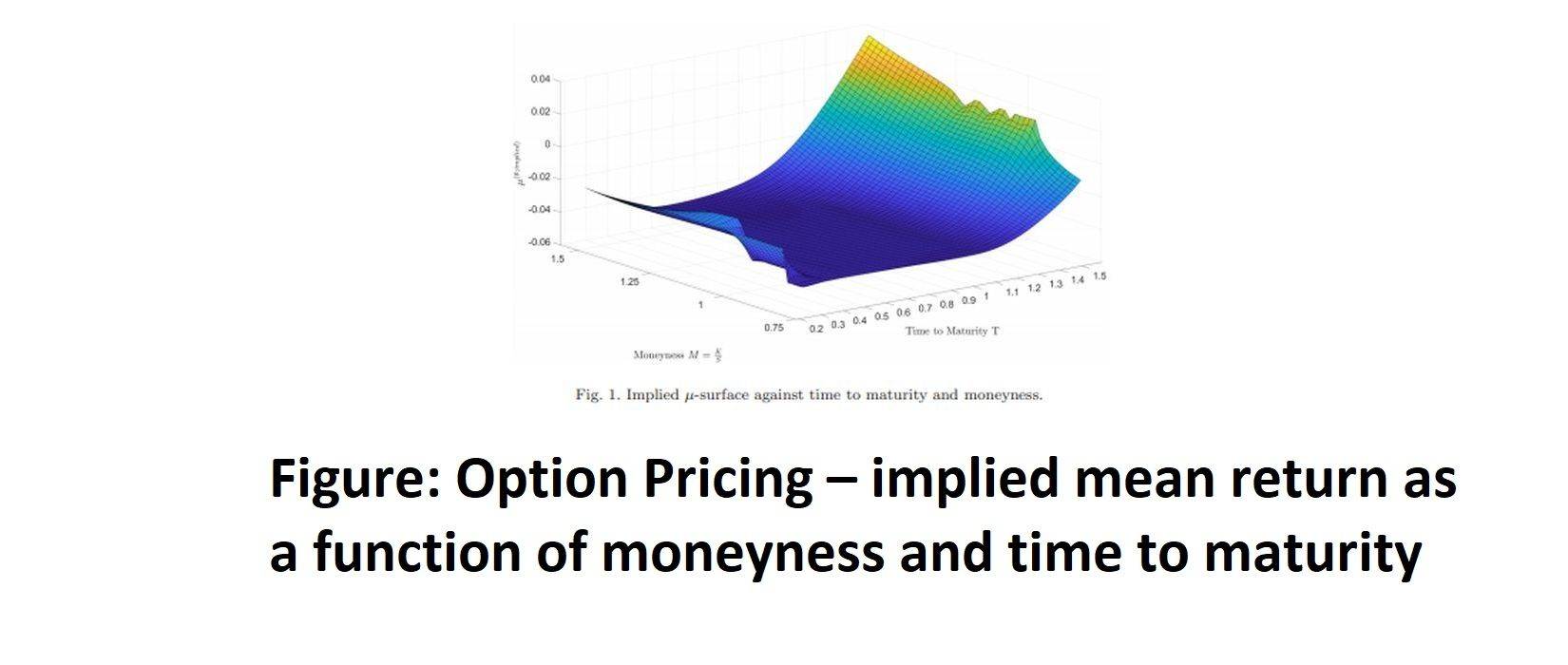
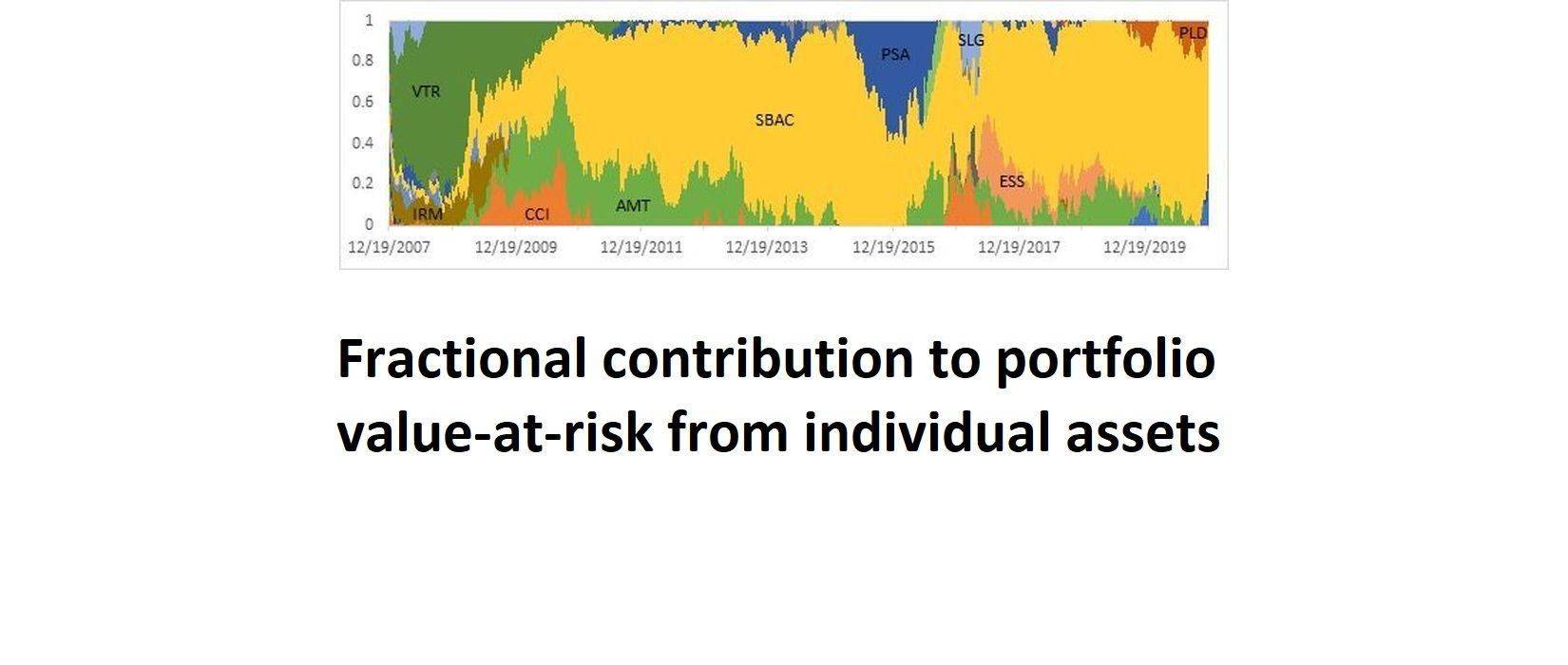
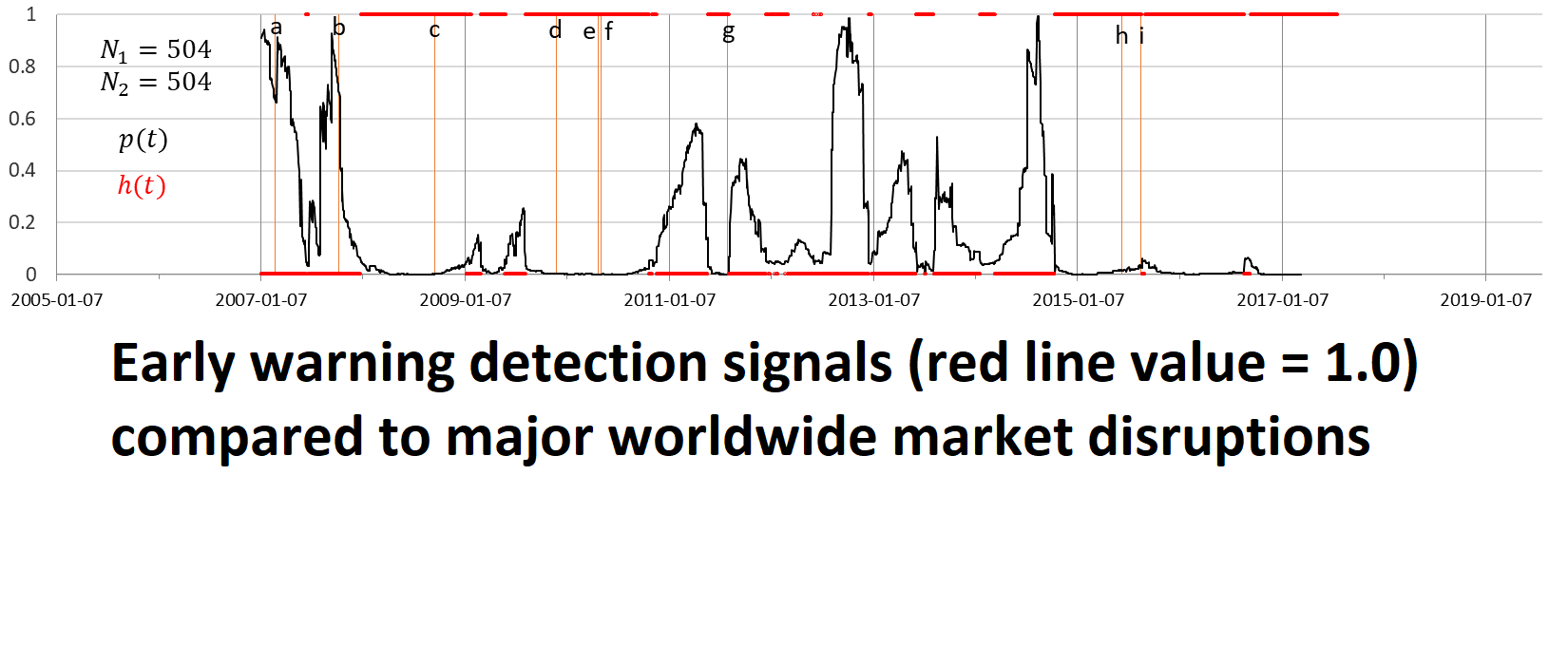
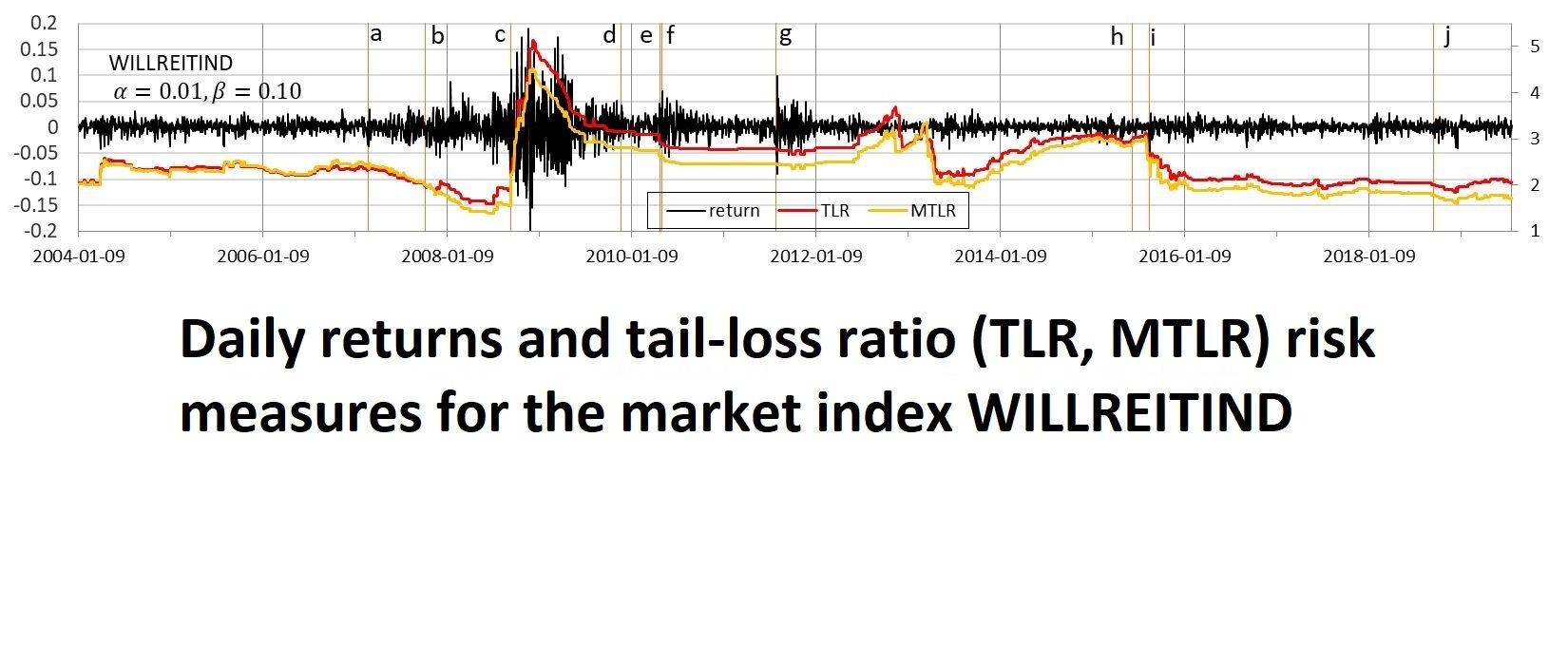
The Texas Tech Mathematical Finance program is focused on both risk management (“beta” in Wall Street terminology) and ‘alpha generation’ (the Street term for trading strategies for making money). Courses are centered on projects where students use real tick data to analyze and predict the performance of individual stocks and commodities, market indices, and derivatives. Texas Tech is one of a few mathematical finance programs offering both MS and PhD training. PhD students of our faculty have taken positions both in Wall Street firms and as faculty in university mathematical finance programs.

Front-office quants work on the floor with traders and sales representatives developing price-setting models, supporting the development of risk strategies, and spotting new investment opportunities. Mid-office quants assess different assets and markets for risk, keeping traders and sales representatives in check. Back-office quants develop complex mathematical models used to program automated electronic trading platforms. Modern quants are large-data financial analysts working ever more increasingly in high frequency (4 milliseconds) and ultra-high frequency (50 nanoseconds) trading.
Quants “are the intellectual elite of finance. They're in demand, and their salaries reflect that. Becoming one of them requires a unique mix of mathematics, finance, and computational skills.” Christa Terry, Noodle.com.
Because of the strong demand, admission is highly competitive at both the MS and PhD levels in quantitative finance. The department prepares practitioners who apply mathematical and computational methods to develop and exploit financial opportunities for return enhancement and risk control.
Department of Mathematics & Statistics
-
Address
Texas Tech University, 1108 Memorial Circle, Lubbock, TX 79409-1042 -
Phone
806.742.2566 -
Email
math.dept@ttu.edu