About the Lab
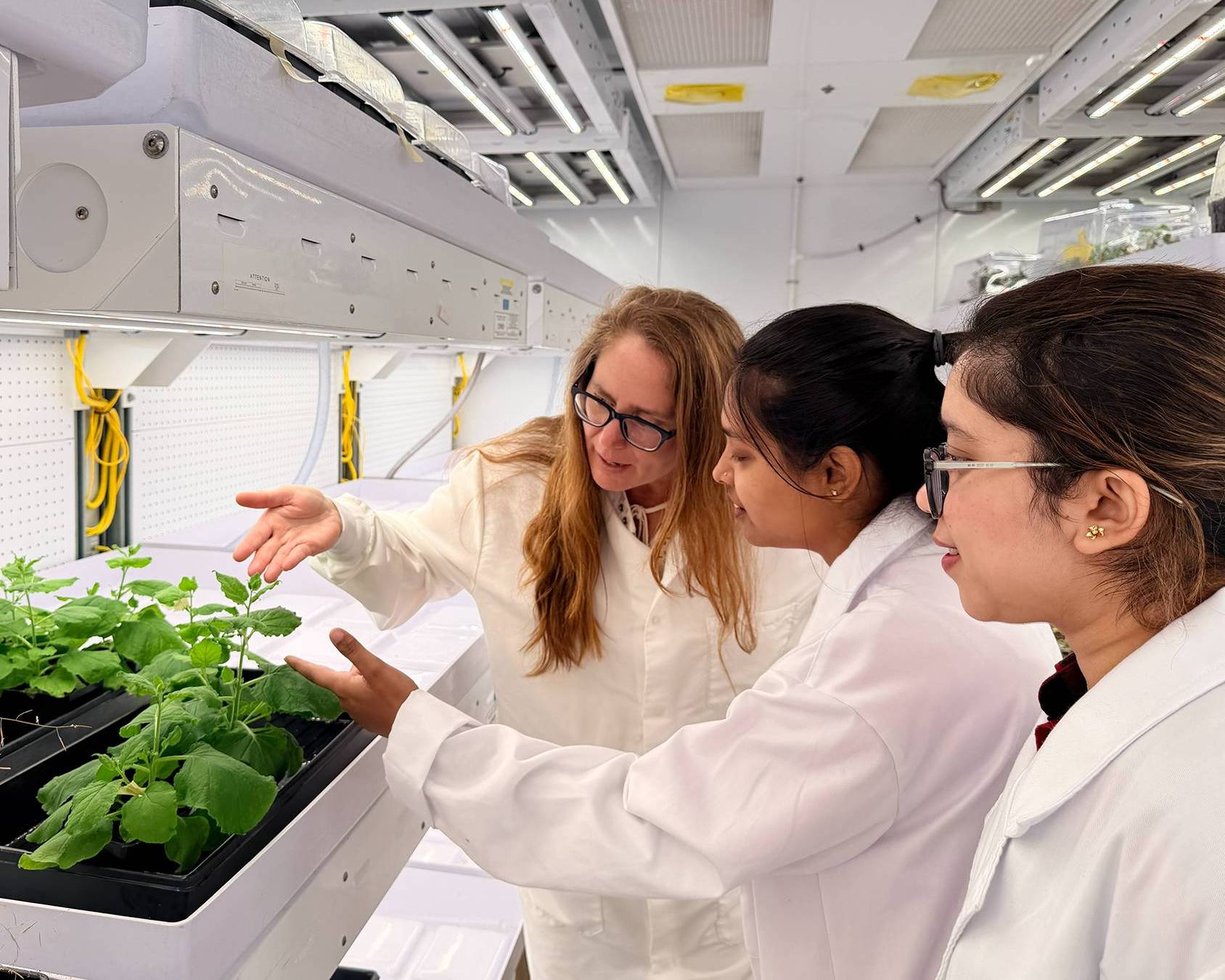
The Samira Lab at Texas Tech explores the hidden dialogue between plants and the microbial world surrounding their roots. Our research seeks to uncover how plants recruit, shape, and communicate with rhizospheric microbial communities through root-derived chemical signals, and how these interactions influence plant immunity, resilience, and adaptation under environmental stress.
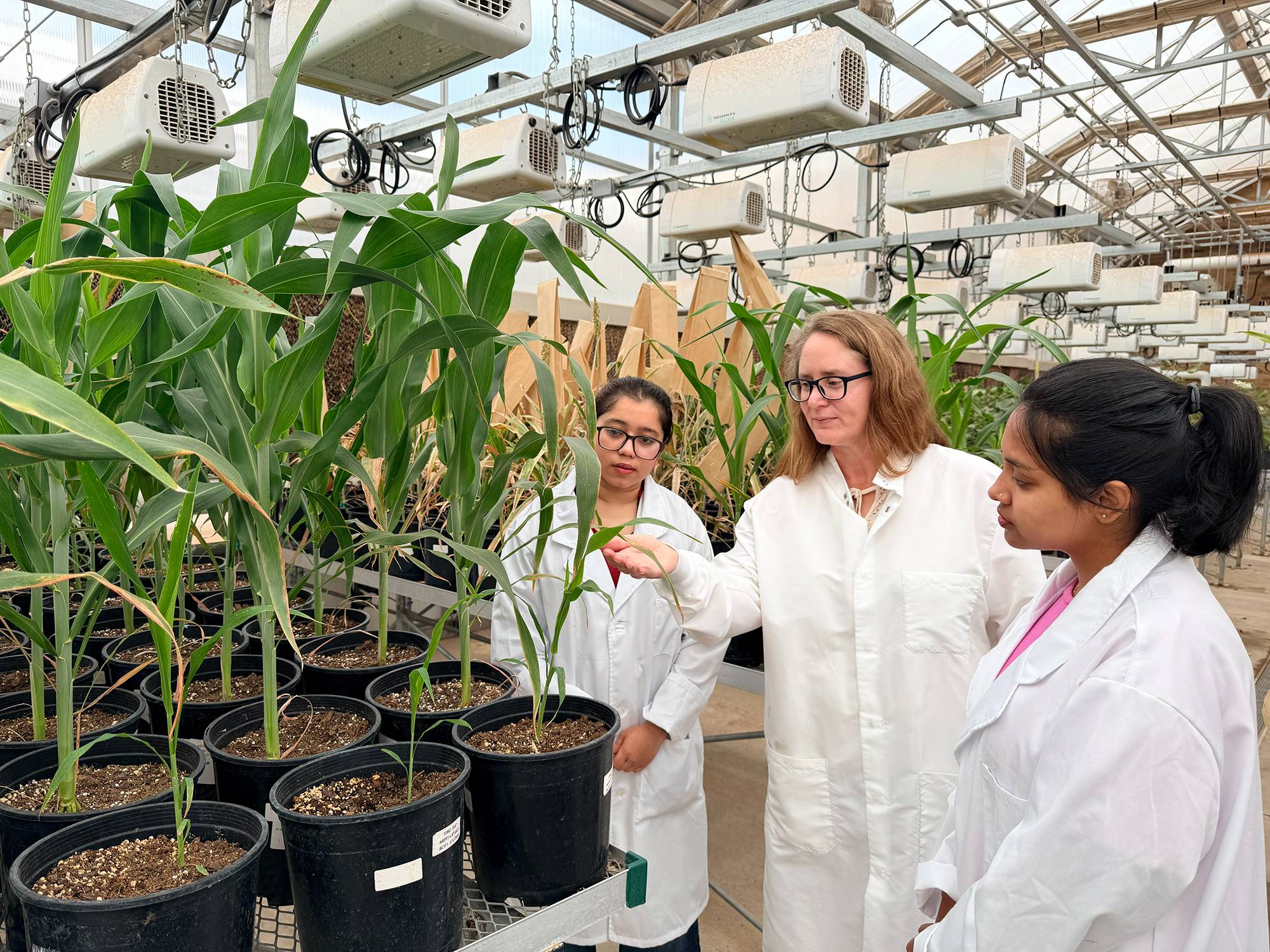
Focusing on agriculturally important crops of West Texas, including cotton and sorghum, we investigate plant–microbe interactions across multiple biological scales — from microbial ecology and biochemistry to molecular signaling, genomics, and genetics. By integrating advanced molecular tools, imaging technologies, and systems-level approaches, the lab aims to reveal the mechanisms that govern plant health in complex environments and translate these discoveries into sustainable strategies for crop protection and improvement.
At its core, the Samira Lab is driven by one central question: How do plants engineer their microbial environment to survive, defend, and thrive? Through multidisciplinary research and hands-on scientific training, we are building a research program dedicated not only to advancing fundamental discoveries in plant biology and plant pathology, but also to preparing the next generation of scientists to tackle emerging challenges in agriculture, food security, and environmental sustainability.