
New World Screwworm
The Texas Tech University School of Veterinary Medicine is committed to our Purpose of serving rural and regional communities.
The New World Screwworm (NWS) is an imminent threat to animal industries, and if not contained, could devastate the economic the vitality of rural and regional communities of Texas and beyond. Our School has mobilized efforts in support of national and State efforts to prevent, surveil, and control the NWS.
Communication and information sharing is a critical component of our efforts. Through this website, we are sharing timely resources, educational videos, and practical guidance to support early detection, prevention, and response efforts. Our goal is to equip stakeholders with the knowledge and tools needed to protect animal health, maintain business continuity, and stay ahead of this evolving challenge.
Educational Resources:
Understanding the New World Screwworm
This video introduces the biology and behavior of the New World Screwworm, a parasite that affects warm-blooded animals by feeding on living tissue. You'll learn how infestations begin, why they’re dangerous to livestock and wildlife, and how the U.S. successfully controlled the pest in the past using sterile fly releases. With recent signs of reemergence, it’s important to stay informed and prepared.
Life Cycle
The life cycle of New World Screwworm passes through the stages of egg, larva, pupa, and adult. The timing of the life cycle is temperature dependent. This video describes each of the life cycle stages and overall timing of the process.
Identification
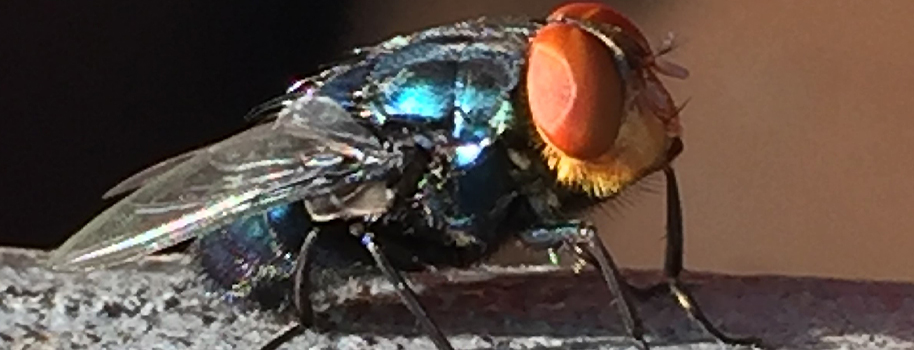
Proper identification of the New World Screwworm requires a trained eye, experience, and final verification by the USDA. However, there are certain qualities of larvae and adults that provide clues as to preliminary identification as described in this video.
Current Situation and Risk Areas
In this update, we cover where screwworms have been detected recently and what that means for livestock owners wildlife and companion anion. Surveillance efforts are underway along the U.S.–Mexico border, and agencies are working to prevent further spread. We also highlight cases in animals and humans, and explain which animals are most at risk including calves, horses, and pets with open wounds. Early detection and reporting are key to protecting your herd and your community.
Tools and Strategies for Control
This video outlines the technologies and treatments being used to manage screwworm outbreaks. From sterile fly production to improved traps and emergency drug approvals, you'll see how science and coordination are helping reduce risk. We also discuss the importance of proper wound care and animal husbandry practices to prevent infestations.
Control
Control of the New World Screwworm requires an integrated approach. Traditional use of sterile male technique is described in this video as well as the use of certain veterinary treatments and preventatives that have received emergency use authorization by the FDA and can be discussed with your veterinary medical provider.
Planning and Preparedness
Preparedness is essential for livestock owners, veterinarians, and producers. This video explains the steps being taken to monitor for screwworms, manage animal movement, and ensure business continuity. It also covers treatment protocols, permitting requirements, and how agencies are working together to keep animals and people safe. Knowing what to do before a case appears can make all the difference.
One Health
One Health is an integrated framework encompassing human medicine, animal medicine, and environmental health. Addressing the New World Screwworm through an interdisciplinary lens provides enhanced opportunities for addressing this complex problem as described in the video.
Additional Resources
- Texas Animal Health Commission
- Texas Animal Health Commission Fact Sheet
- Steps if You Suspect New World Screwworm in Your Animals
- New World Screwworm Sample Collection Protocol
- Screwworm Coalition of Texas
- USDA New World Screwworm Response Playbook
- New World Screwworm Emergency Management Plan in Spanish
School of Veterinary Medicine
-
Address
7671 Evans Drive, Amarillo, Texas 79106 -
Phone
806.742.3200 -
Email
SVM@ttu.edu