Texas Tech University

Graduate Programs

M.S. Arch

The Master of Science in Architecture degree is a research-based academic degree for students interested in advanced architectural studies. This degree does not prepare students to receive licensure in architecture. It is for students with an accredited professional Bachelor of Architecture, Master of Architecture, or an approved bachelor’s degree.

Students who have non-architecture degrees and wish to enter the program and those who do not have a basic understanding of computing and computer-assisted design skills may be required to complete leveling work that will not accrue graduate credit toward their degree.

Academic requirements will vary depending on the specialization chosen.

After the first semester, students will be matched with a faculty member who will serve as their academic advisor and the chair of their thesis committee. All students seeking a degree must complete the program in residency, including the thesis.

Admission Requirements

The admission application includes a portfolio of creative work (writing, design, drawing, photography, etc.) that reflects the student’s level of design interest, intellectual inquiry, and communication skills. The HCOA also requires students to submit letters of recommendation and a statement of intent.*

*Graduate school requires other items/information for application. There are further requirements for international students.

Questions?

Contact our Student Services Office.

Design Computation & Fabrication Specialization

The DCF M.S. is positioned at the intersection among architecture, engineering, and construction, students gain practical skill sets and theoretical foundations in computational design, material study, fabrication techniques, and processes.

Recommended Curriculum

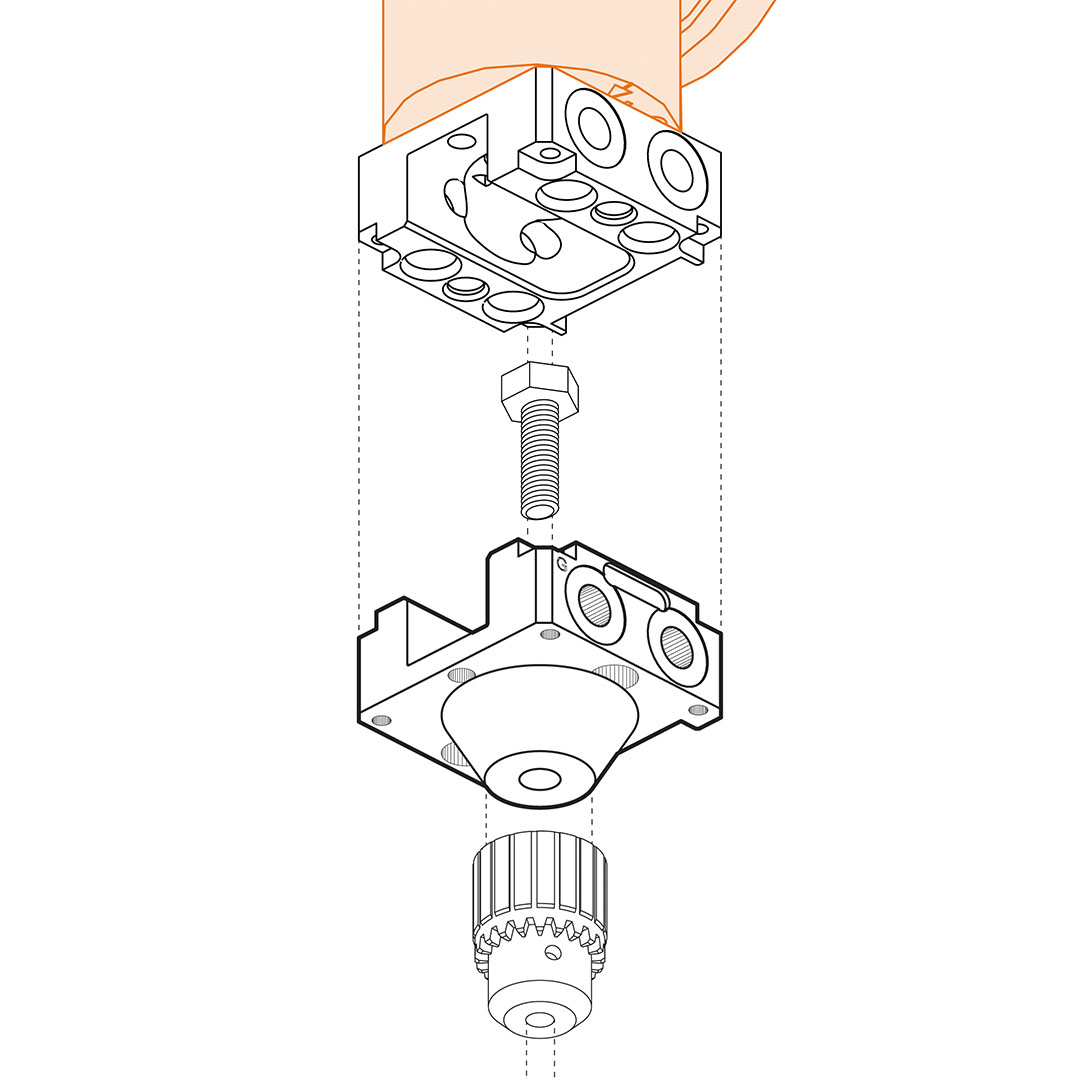
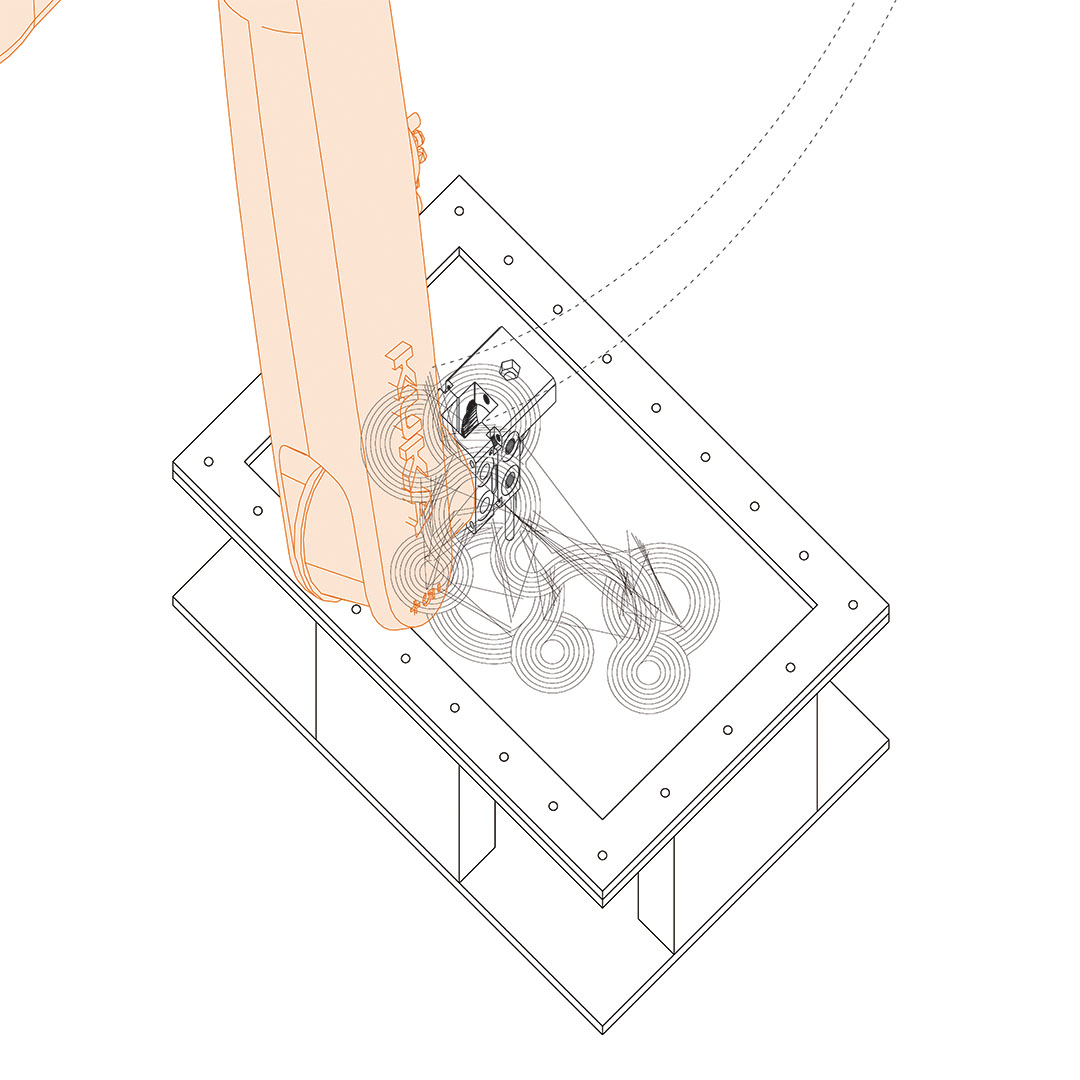
Vector art drawing of a CNC arm drawing into a material. The path the arm will take is also drawn in a zig zag pattern.

Design & Health Specialization

The D&H M.S. has two concentration tracks: Health & Wellness Design (HWD) and Healthcare Facilities Design (HFD). This program provides students with the design and analytic skills for designing space that positively affects patient outcomes and the efficiency and safety of healthcare environments.

Recommended Curriculum

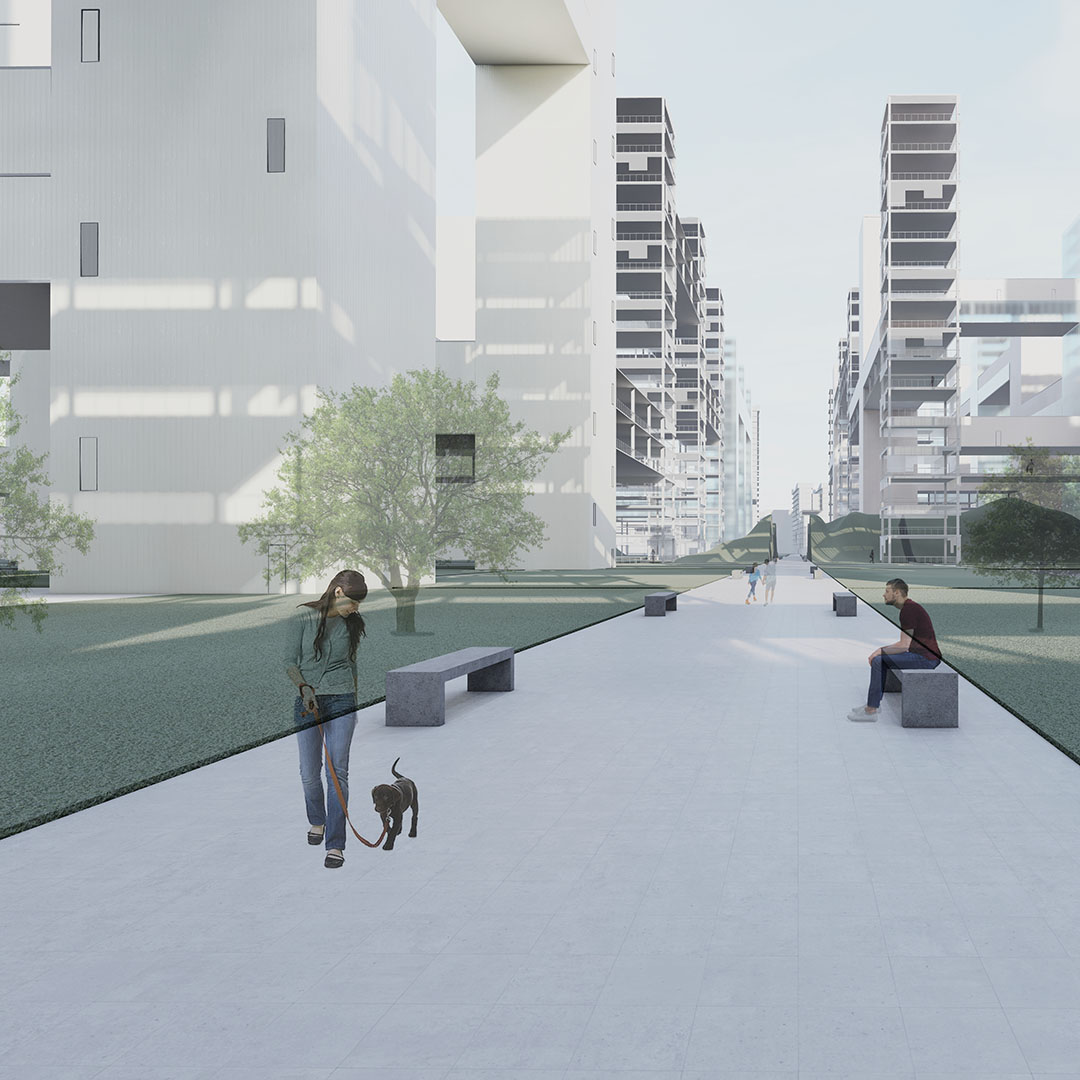
Render of a shaded outdoor space with people walking though and sitting on various benches.

Historic Preservation Specialization
(El Paso)

The Master of Science degree in Architecture specializing in Historic Preservation and Design is a research-based academic degree for students interested in advanced architectural studies, who want to enter the Historic Preservation field. This is considered a terminal degree for the architectural preservation professional discipline and is accredited by the National Council for Preservation Education (NCPE).

Recommended Curriculum

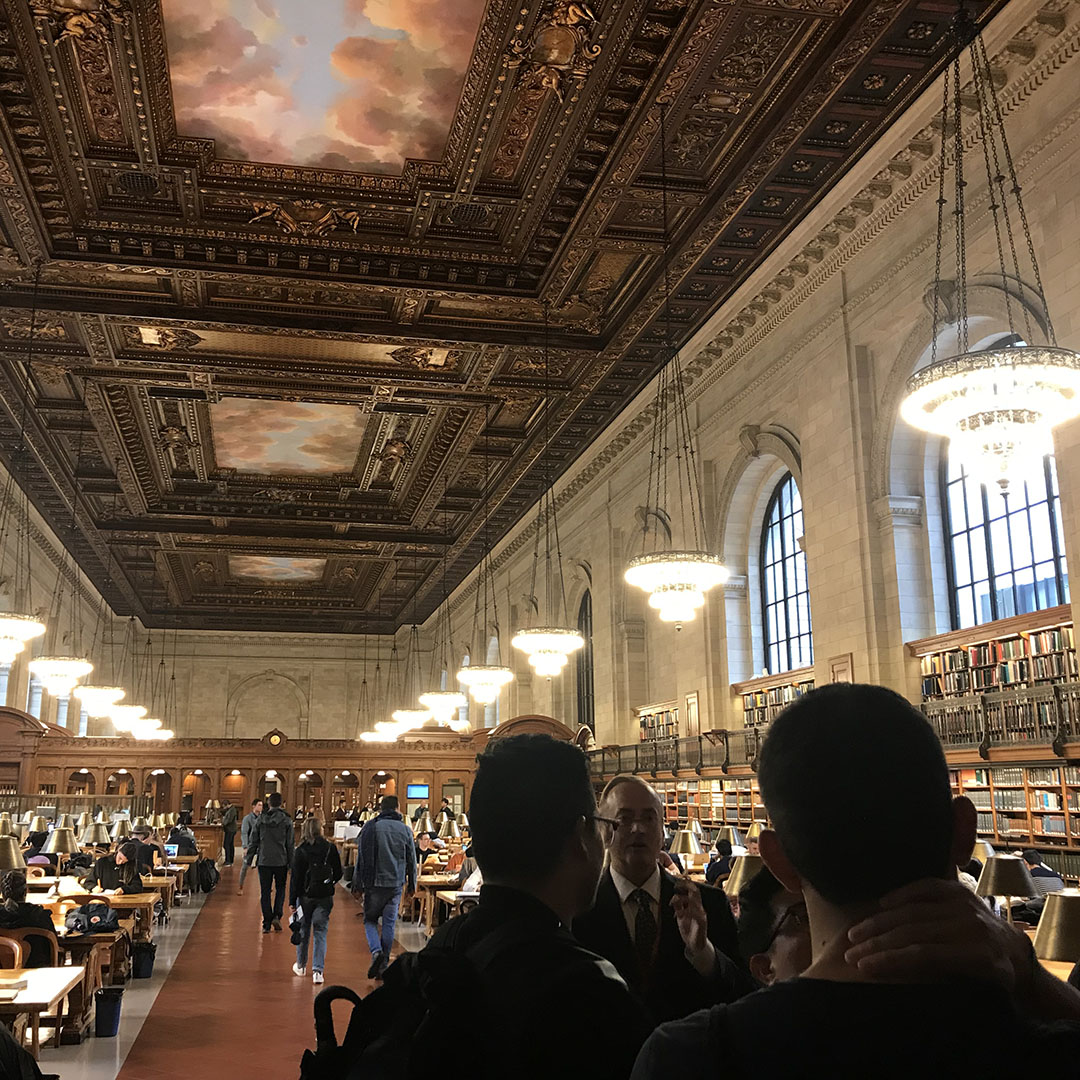
Students visiting a library, with the photo angled upward for a view of the painted ceiling.

Urban & Community Design Specialization

The UCD M.S. seeks to understand the complex nature of the urban environment and solve complicated issues affecting American cities, such as sustainability, resiliency, preservation, and revitalization.

Recommended Curriculum

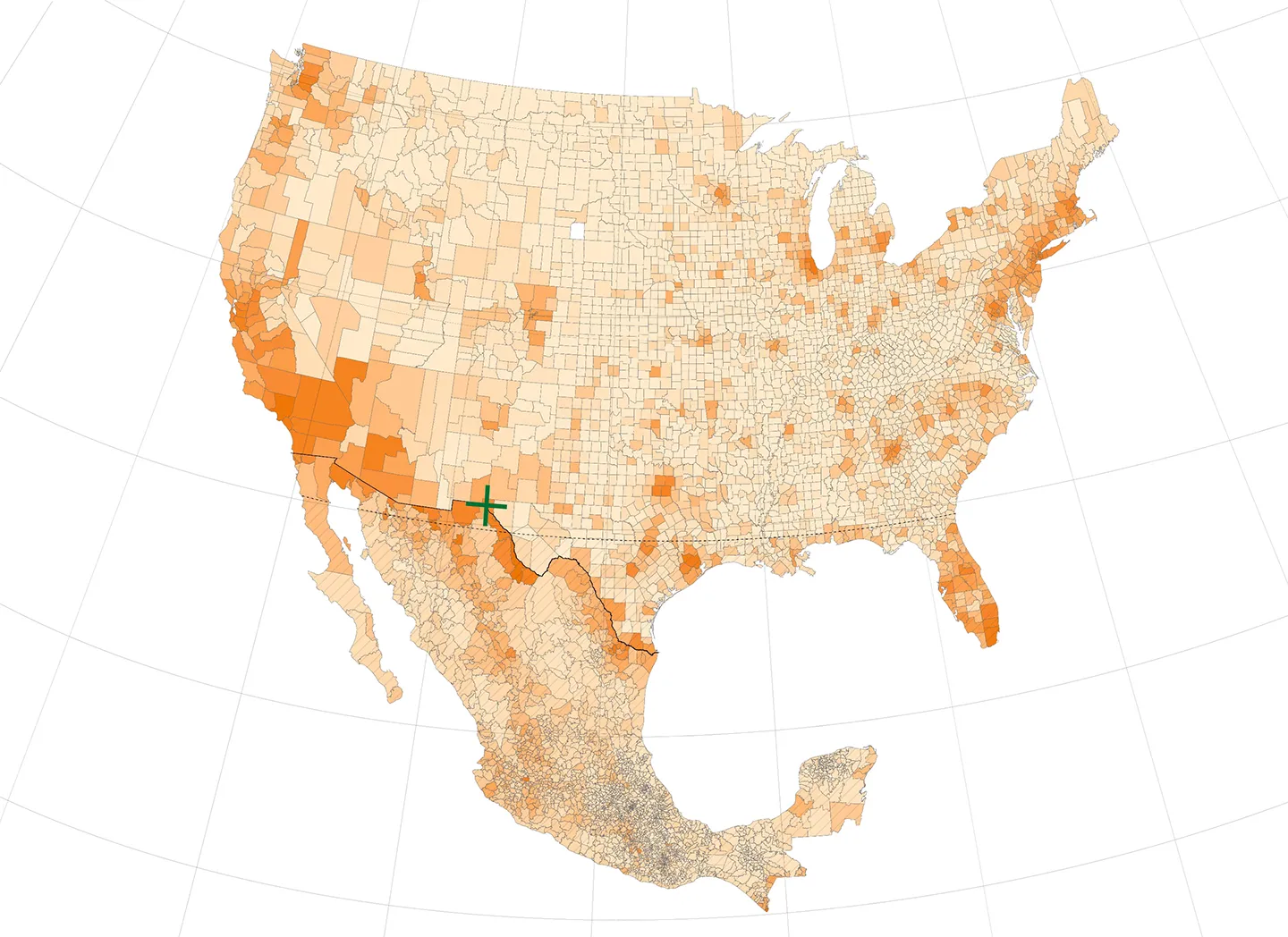
Drawing of a dense urban area map, with buildings highlighted in red.

Ecological and Sustainable Design Specialization

The Ecological and Sustainable Design (ESD) concentration is tailored toward forward-thinking students eager to address the complex and wicked problems of climate change, social justice, and adaptation for innovative design in architecture. Through a carefully curated selection of elective and studio courses, explore current issues such as regenerative and carbon-neutral materials, ecologically-minded technologies and integration, and energy-efficient design. With 34 hours of approved coursework, students will gain invaluable knowledge and practical skills to advance ecological and environmental systems through architecture. Students will shape the future while making meaningful contributions to sustainable design and while advancing the field of architecture at the intersection of ecology, equity, and innovation.

Recommended Curriculum