
NEW COLLEGE OF THE BUILT ENVIRONMENT
Arch 5602 · Coordinator: Hazem Rashed-Ali, PHD
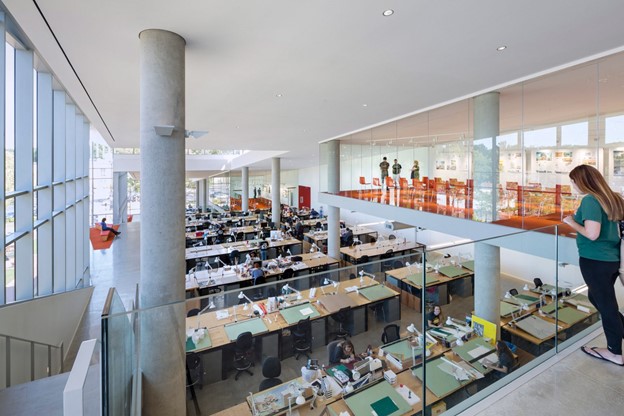
The project aims to explore new directions in architectural and built environment education, how these new directions can influence the design of higher-education buildings, and how these buildings can respond to their context, while at the same time also responding to larger societal issues such as sustainability and resilience and taking advantage of state-of-the-art technologies.
Architecture of Rent
Arch 5604 · Coordinator: Kristine Stiphany, PHD
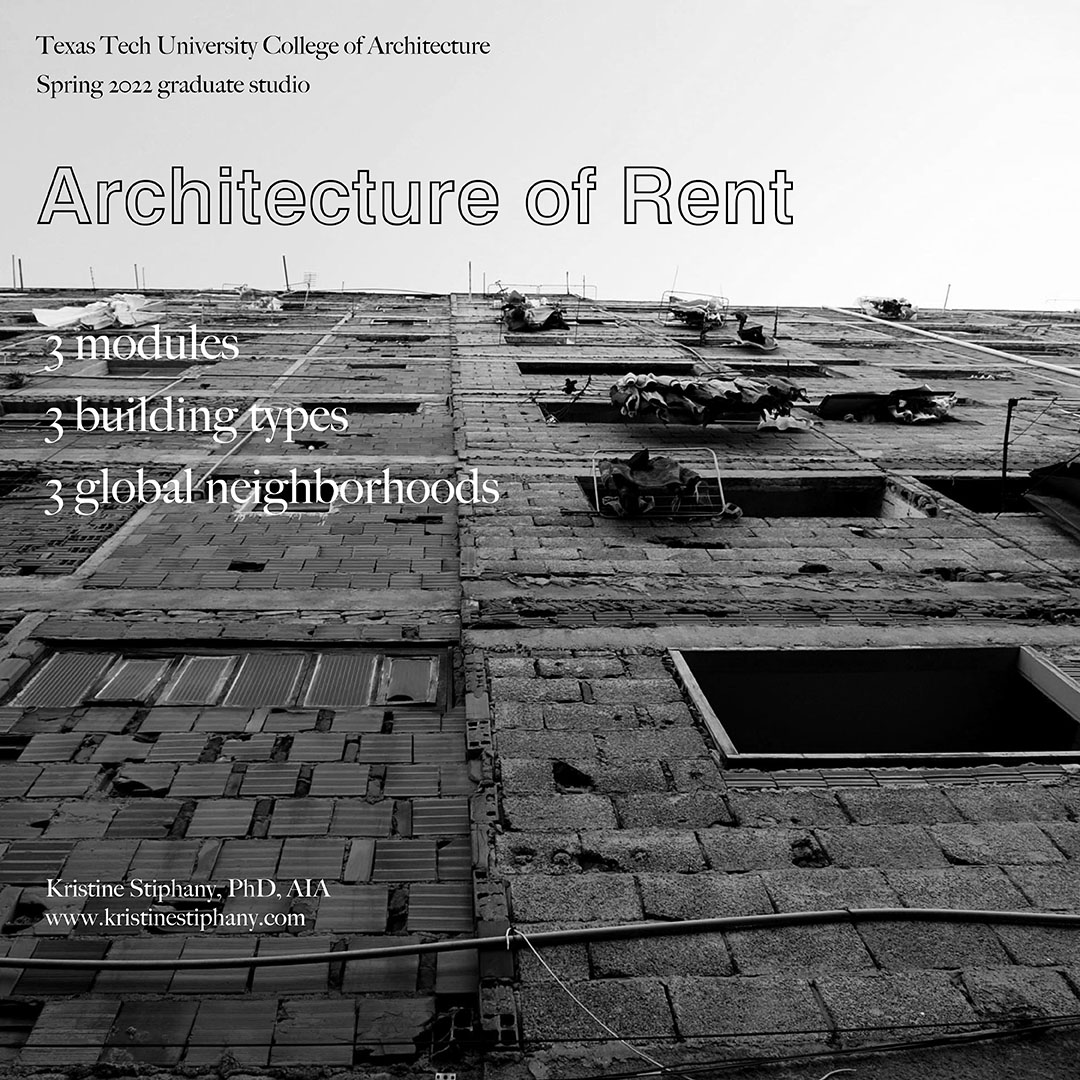
This studio will examine how rent gives form to buildings in cities. It focuses on the incremental building transformation – morphological interactions that promote affordable housing in many locations, yet also compromise human health, public safety, and urban infrastructure. Add to this is the need to preserve heritage housing stock and reduce carbon, which has led designers to shift their attention to the adaptive reuse of already built-up or densified neighborhoods, as opposed to the strong focus on suburban single family housing in previous eras. In many cases, yesterday's tendency to give new form to habitation is today's sensitive densification – whereby existing buildings take on the shape of multiple occupancies. Within a progressive three-project semester, students will use case studies of how the sociotechnical infrastructure of rent is built into (or subdivides) existing buildings, synthesize findings into prototypical unit forms and aggregates, and apply these ‘architectures of rent' to infill sites in Philadelphia, Chicago, and São Paulo. These strategies are intended to shape new housing-urban interactions in growing cities. Studio travel depends on the vicissitudes of the global pandemic.
Novel Construction Methods using Robotic Fabrication
Arch 5604 · Coordinator: Erin Hunt
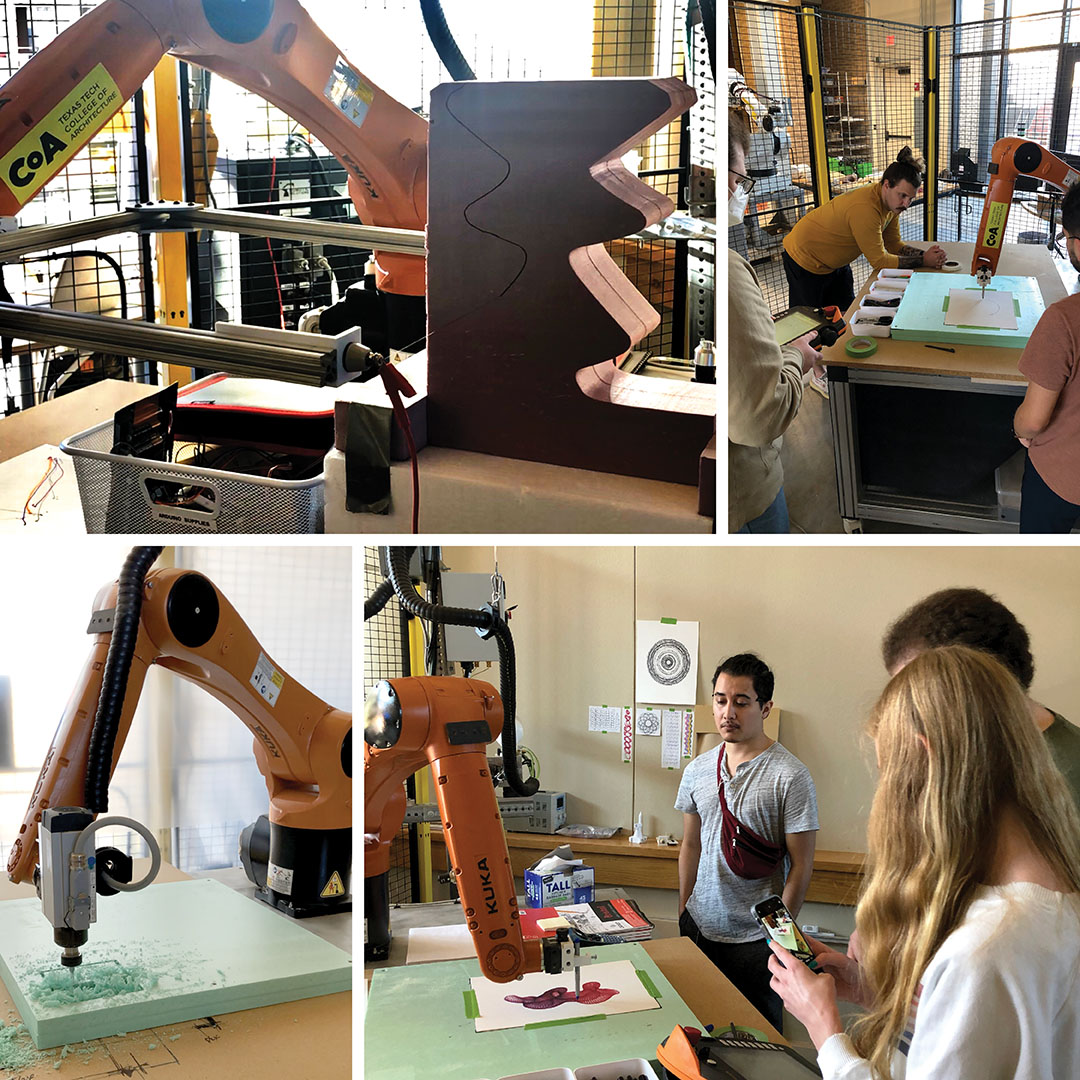
Computational design and digital fabrication technologies have become a distinct force within contemporary architecture. The translation from digital to fabricated objects is enabled by a wide range of tools and processes such as CNC routing and 3D printing, which have been further democratized with regard to accessibility and affordability within the last decade. These processes have altered how buildings are envisioned and constructed. It has also allowed designers to engage with manufacturing and materials in new ways, which has permitted new opportunities and challenges in realizing architectural elements.
Thirty-Six Views of Lubbock, Texas
Arch 5604 · Coordinator: Nate Imai
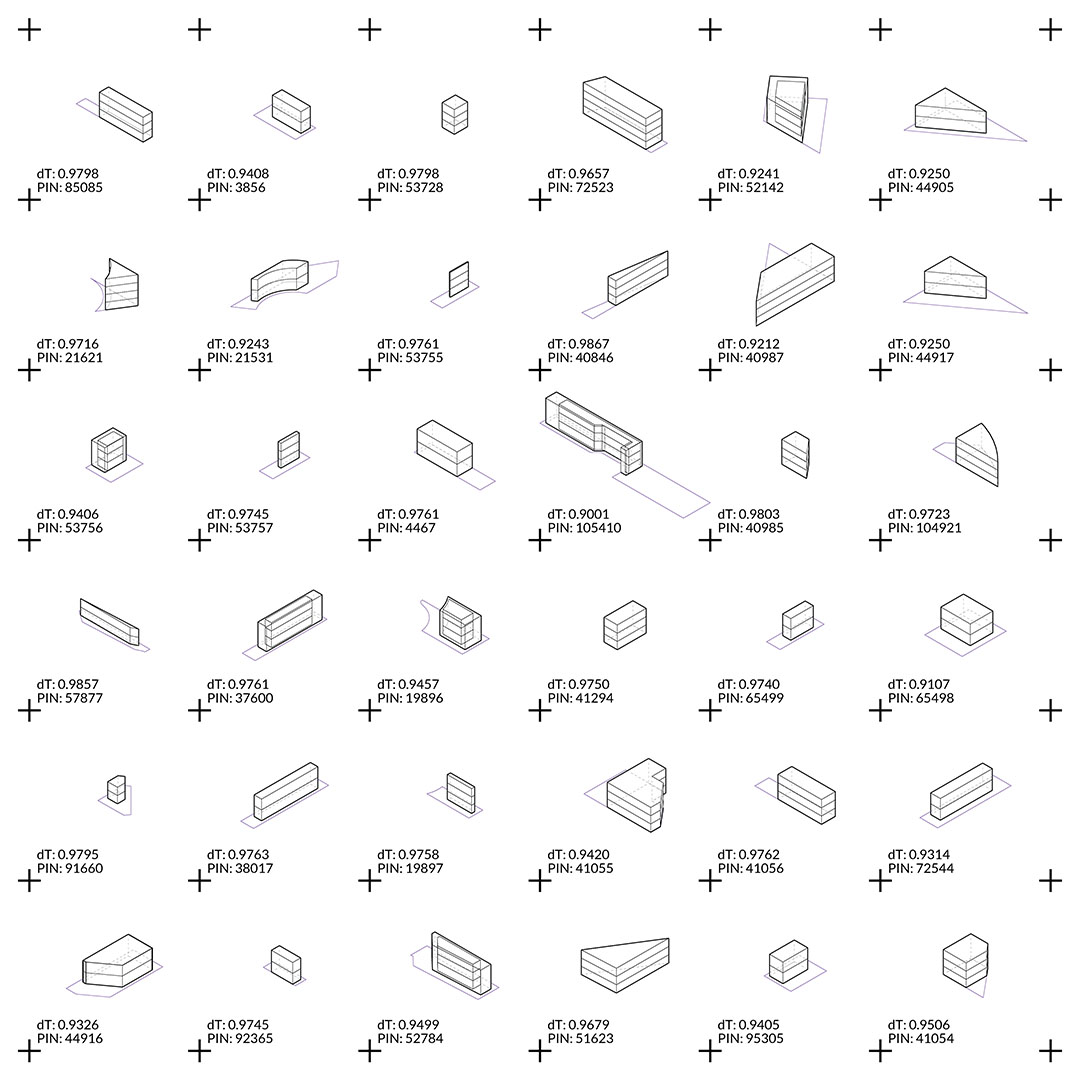
Students taking this studio will develop custom mapping tools for increasing cities' density through small-scale odd lots. As residuals of cities' shifting urban morphology, these unique infill opportunities resist formulaic real-estate speculation and require an architectural vision beyond the imagination of most developers. Utilizing GIS data with custom scripts, lot searching tools developed through this class will analyze locational data as well as shape metrics to determine a set of parcels for testing and applying architectural strategies at an urban scale.
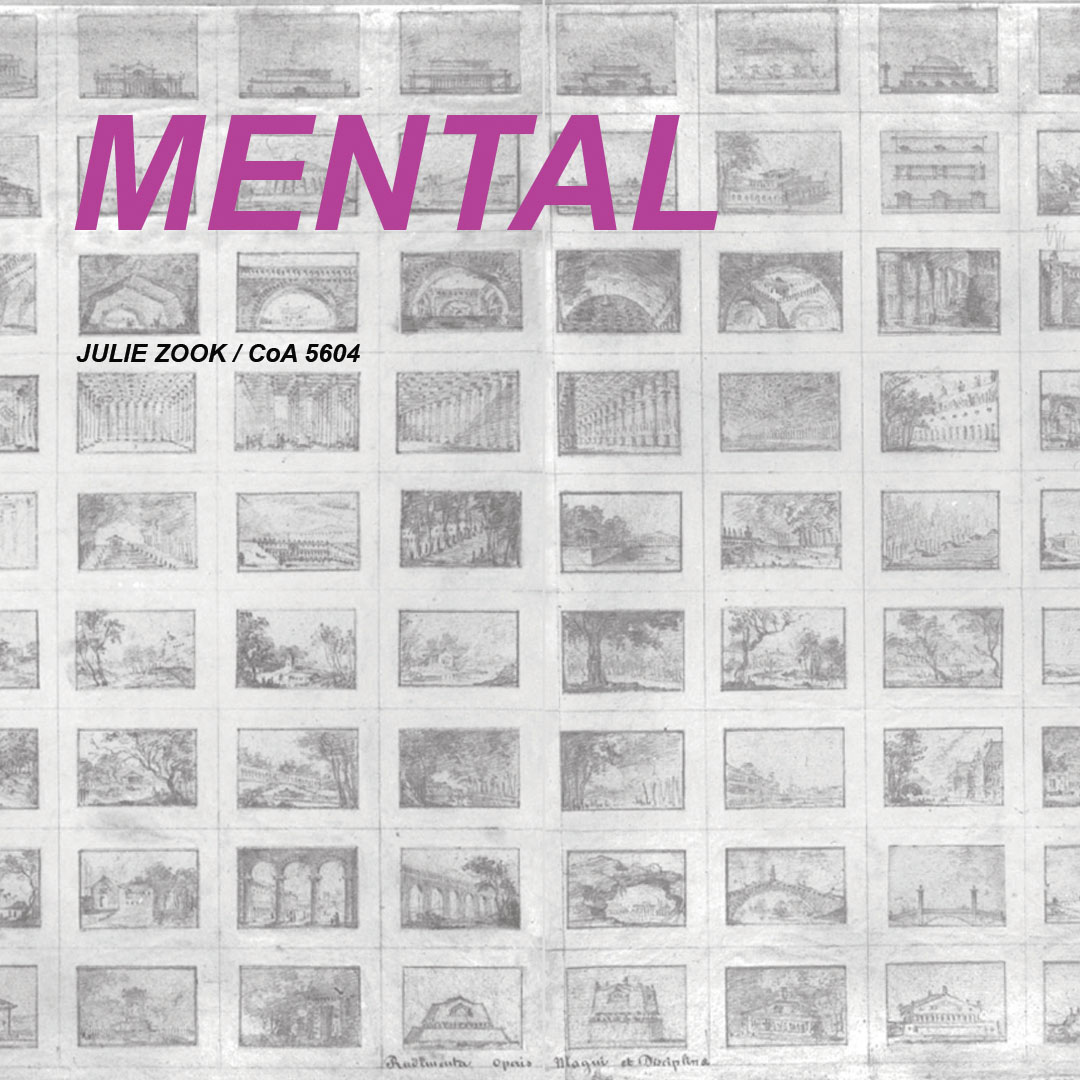
Mental
Arch 5604 · Coordinator: Julie Zook, PHD
By current World Health Organization estimates, one in seven young people globally is experiencing mental health challenges. Mental health and illness are socially conditioned, and communities—including educators, care providers, families, and architects—are challenged to create more effective ways of caring for these young people. Drawing on disability studies, this studio will investigate the meanings and consequences of mental illnesses, while designing safe and therapeutic settings. We will work on defining pertinent aesthetic approaches to healthcare architecture. We will also get expert feedback and use specific analytical methods to better understand the needs and experiences of the intended occupants.
Huckabee College of Architecture
-
Address
Texas Tech University, 1800 Flint Avenue, Lubbock, TX 79409 -
Phone
806.742.3136 -
Email
architecture@ttu.edu