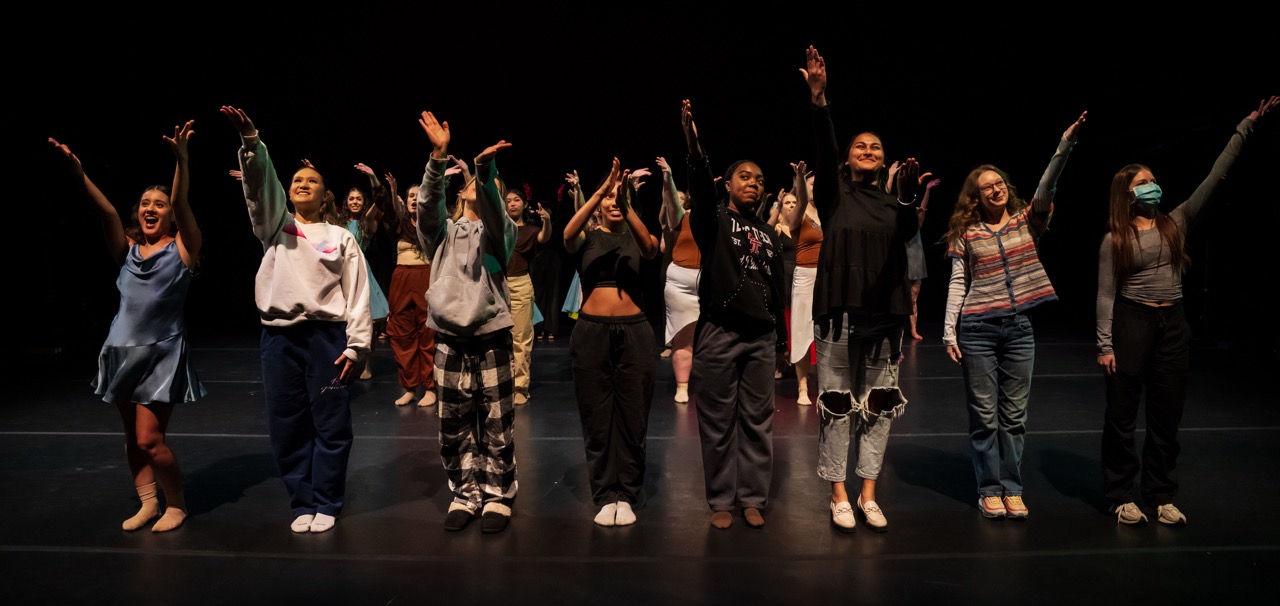
While I headed the Theatre Area of the Department of Performing Arts at Clemson, we also shared that degree with music and audio technology, not dance. So, I knew that, to succeed in Lubbock as chair of our then-Department of Theatre & Dance at Texas Tech, I would have to dedicate my time to learning much more about an art form I had long loved, but more as an audience member and critic than an educator.
If I’ve learned anything these 14 years working alongside some of the most talented faculty and artists who make up our dance program, it’s that they teach more than just technique—they focus on shaping artists, scholars, and educators to thrive professionally after graduation. While undergraduates may earn either the Bachelor of Arts or the Bachelor of Fine Arts degrees, and graduate students may pursue a Master of Arts in Dance Education (online), each degree trains dancers holistically, not just to be performers, but also, choreographers, writers, researchers, teachers, arts administrators, and interdisciplinary scholars.
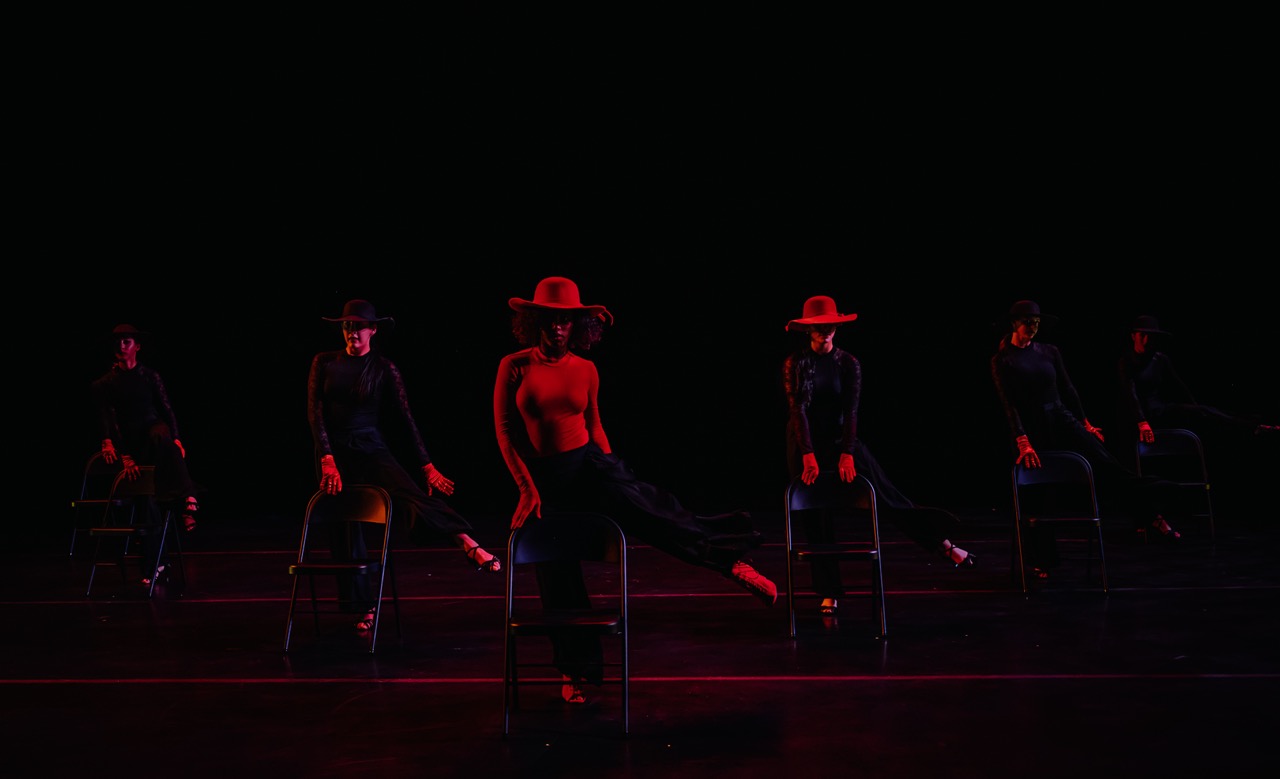
As you can imagine, in almost a decade and a half, our dance program has grown tremendously since the Board of Regents saw fit to distinguish us as a School in 2015. Recently, I met with Kyla Olson, Head of Dance, and Dr. Ali Duffy, Professor of Dance, to discuss the qualities of our dance program that distinguishes it from others. [By the way, both Kyla and Ali were here when I first arrived in Lubbock, so they have an implicit understanding of the dance program long before it was accredited by the National Association of Studies of Dance.] While most schools, including ours, find ways to emphasize the & in Theatre & Dance, I was excited to explore the qualities that set our dance program apart; in other words, I wanted to do a deep dive into the identity of our dance program.
And I learned what I already intuited from my 14 years directing this school: Texas Tech’s dance program offers experiences few others match.
 Ali, who heads our MA in Dance, enthusiastically shared details about that unique
program, especially as it moves into its fifth year. She explained that course content
is adaptable to remain culturally relevant (i.e. a new advocacy course updated to
reflect the ever shifting social and political climate). Not only do students work
alongside their professors while pursuing their degree, but the faculty mentor students
to research theses that are both current and publishable. Ali helped to create this
graduate degree to serve students (one who lives as far away as Italy), wanting them
to attain the education they need to either teach, expand on their artistic practices,
or to create non-profit organizations.
Ali, who heads our MA in Dance, enthusiastically shared details about that unique
program, especially as it moves into its fifth year. She explained that course content
is adaptable to remain culturally relevant (i.e. a new advocacy course updated to
reflect the ever shifting social and political climate). Not only do students work
alongside their professors while pursuing their degree, but the faculty mentor students
to research theses that are both current and publishable. Ali helped to create this
graduate degree to serve students (one who lives as far away as Italy), wanting them
to attain the education they need to either teach, expand on their artistic practices,
or to create non-profit organizations.
Last September, Ali hosted the International Parenting and Dance Network (IPADN) seminar, bringing scholars in from all over the world to discuss dancing and parenthood. Certainly, IPADN ties us to the world, but Ali has not stopped there. She is offering our school’s first study abroad program, to Seville, Spain this spring break, with trips to Cordoba, Madrid, Granada, and Jerez, among other cities. She hopes especially to enhance our dance students’ understanding of non-Western forms such as flamenco and sevillanos, encouraging them to understand how culture affects performance and vice versa.
None of us saw such massive growth coming when I arrived in 2012, when our small but fierce program only granted the BA in Dance.
 Kyla reminded me that of other recent travel opportunities for our undergraduate dance
students. The program recently took students to Houston to the Texas Dance Improvisation
Festival and Seattle for the National Dance Education Organization conference. A massive
number of our students participate in the American College Dance Association conference,
where they network, learn from guest artists in workshops, and meet other artists
who share philosophies of dance and movement with one another. Last year, one of our
student’s pieces was featured in DC, chosen to be one of 3 shared at the national
festival from 48 dances submitted. While ACDA regularly features the work of our students
at the Gala, this “win” is a first for us, something the School of Theatre & Dance
celebrates. We, indeed, are driven by bettering the experience of each student studying
dance, making certain their work is featured.
Kyla reminded me that of other recent travel opportunities for our undergraduate dance
students. The program recently took students to Houston to the Texas Dance Improvisation
Festival and Seattle for the National Dance Education Organization conference. A massive
number of our students participate in the American College Dance Association conference,
where they network, learn from guest artists in workshops, and meet other artists
who share philosophies of dance and movement with one another. Last year, one of our
student’s pieces was featured in DC, chosen to be one of 3 shared at the national
festival from 48 dances submitted. While ACDA regularly features the work of our students
at the Gala, this “win” is a first for us, something the School of Theatre & Dance
celebrates. We, indeed, are driven by bettering the experience of each student studying
dance, making certain their work is featured.
Both Kyla and Ali echo their colleagues who all agree that, while we love sending students around the country, it’s important to bring world-class artists to campus, offering students exposure to diverse styles—from Latin ballroom and salsa blends to contemporary concert dance. Local partnerships with Flatlands Dance Theatre, Moonlight Musicals, and Ballet Lubbock, as well, provide real-world performance opportunities.
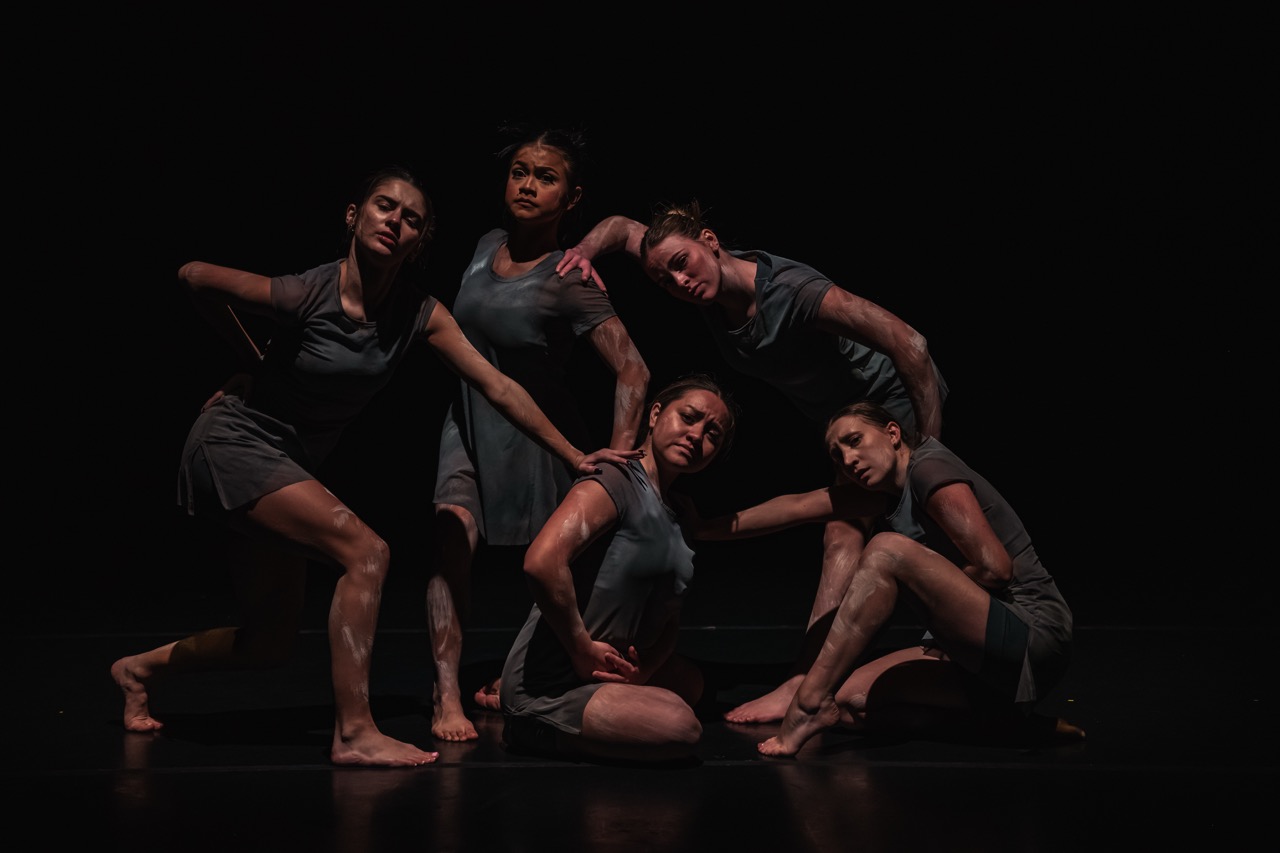
Other distinctions that truly individualize our program include a curriculum that prioritizes student well-being and individuality, fostering a supportive environment. Both our BA and BFA tracks require senior capstone projects specifically tailored to each student’s career goals. Many of these are featured each fall in our Fall Dance Festival, one of our School’s most well-attended events. Specialized courses include hip-hop technique, musical theatre dance, pedagogy, anatomy for dancers, and interdisciplinary research. As you can imagine, this new emphasis on hip hop is sure to attract students from around the country to study with Tony “YNOT” DeNaro, an internationally acclaimed hip hop and break dance artist. Or to pursue studies in countertechnique with Melissa Brading, and, soon, a new emphasis on theatre and dance education, exemplified by the recent hire of Dr. Clarence McFerren.
Our faculty model collaboration and balance, ensuring students find sustainable careers in dance. They publish in leading journals, share research at national and international conferences, and mentor students toward professional success (such as a graduate student who co-edited a new book with Ali Duffy, Pandemic Motherhood).
Still, it’s not the number of programs or publications that define the dance program at Texas Tech; rather, the dance program teaches their students to be fearless, aligning them with the O’Neill Theatre Center’s mission to risk fair risk again. Kyla and Ali were excited to announce a new Summer Dance Intensive on June 8th through the 13th (under the umbrella of WildWind Performance Lab), one that will feature dance faculty and special guests for students who are interested in joining our incredible program. It’s the first time that our School has offered such an Intensive and will contribute mightily to the experiential education model that guides much of the direction of our dance area.
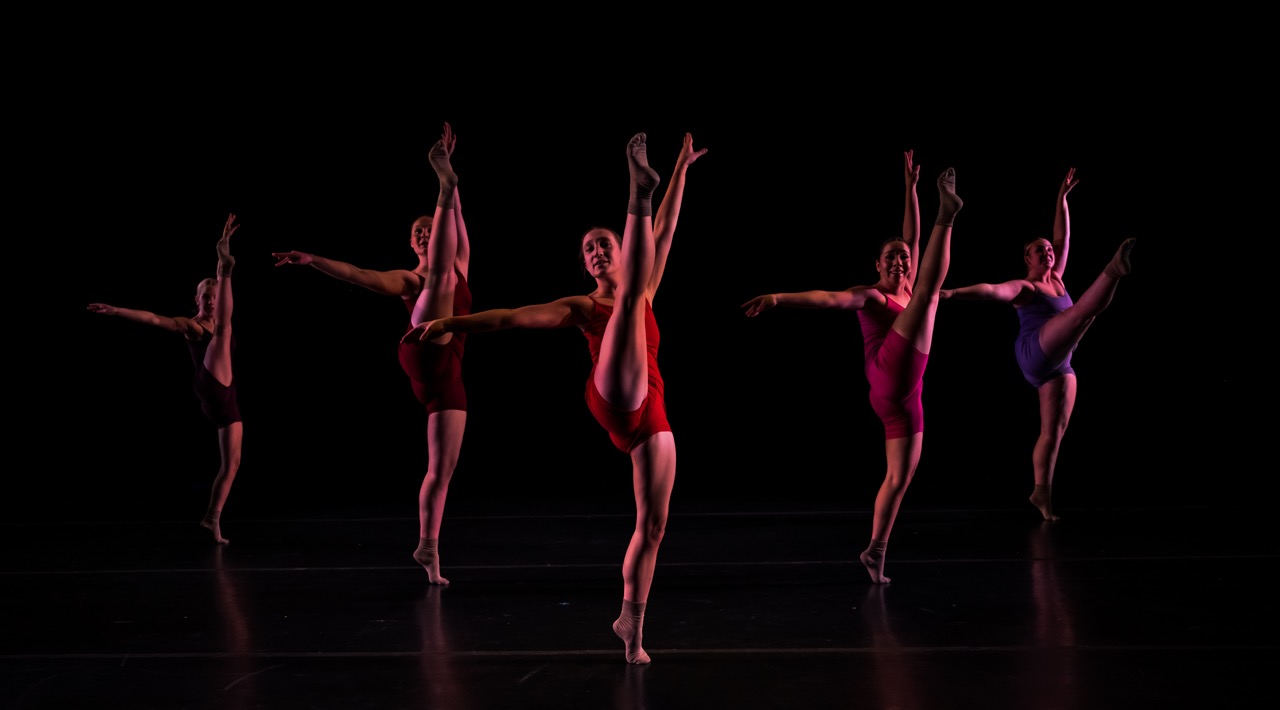
Finally, as someone who has had the privilege to regularly assess the student evaluations in the dance program, I can assure you that the professors in dance earn the highest marks in our School. They are especially praised for creating a community that concentrates on success in the professional arena, and how well they articulate their vision to train holistically their students.
So, what makes our dance program unique?
It values artistry, scholarship, and community, sure, but its emphasis on holistic education, truly stretching to understand and meet the needs of each student, makes dance at Texas Tech among the best in the country. Students who study with us not only discover what dance can be, but, more importantly, who dance can influence them to be during and especially after they graduate.