
Deafblindness - Graduate Certificate
Enhance your skills with a graduate certificate
This 15-hour hybrid program will prepare and equip you with the communication skills, teaching strategies, and evaluation methods, needed to serve your students who are DeafBlind.
This program’s coursework aligns with the Council for Exceptional Children (CEC) standards for students who are deaf and blind, with an emphasis on communication and assessment.

Tuition Estimates
Average In or Out of State
$415-500 per credit hour
Tuition rates are based on your residency determination of Texas Resident, Non-Resident, or Foreign. Please consult the Admissions site for more information.
About This Certificate
Graduate certificates are intended to meet the supplemental post-baccalaureate education needs of professionals. A graduate certificate program is a set of courses that provides in-depth knowledge in a subject matter. The set of courses provides a coherent knowledge base.
Key Courses
EDSP 5383: Anatomy and Functions of the Visual System
Structure and function of the eye, causes and implications of eye conditions, clinical and functional vision assessments, relationship to other disabilities, and neurological aspects of visual impairment.
EDSP 5388: Programs and Services for Individuals with Deafblindness
Overview of psychological, sociological, and educational implications of deafblindness, including appropriate community, educational, and social services.
EDSP 5389: Strategies for Students with Multiple Disabilities and Visual Impairments or Deafblindness
Curricular adaptations, assessment, and intervention for students with multiple disabilities and visual impairments or deaf-blindness.
EDSP 5394: Communication for Individuals with Deafblindness
Covers evaluation and instruction of communication methods for individuals with deaf-blindness.
EDSP 5395: Anatomy and Functions of the Auditory System for Students with Deafblindness
Covers anatomy and functions of the auditory system impacting individuals with deafblindness, hearing evaluations, amplification, and the effects on accessing the environment.
Why earn a certificate in Deafblindness?
Special Education
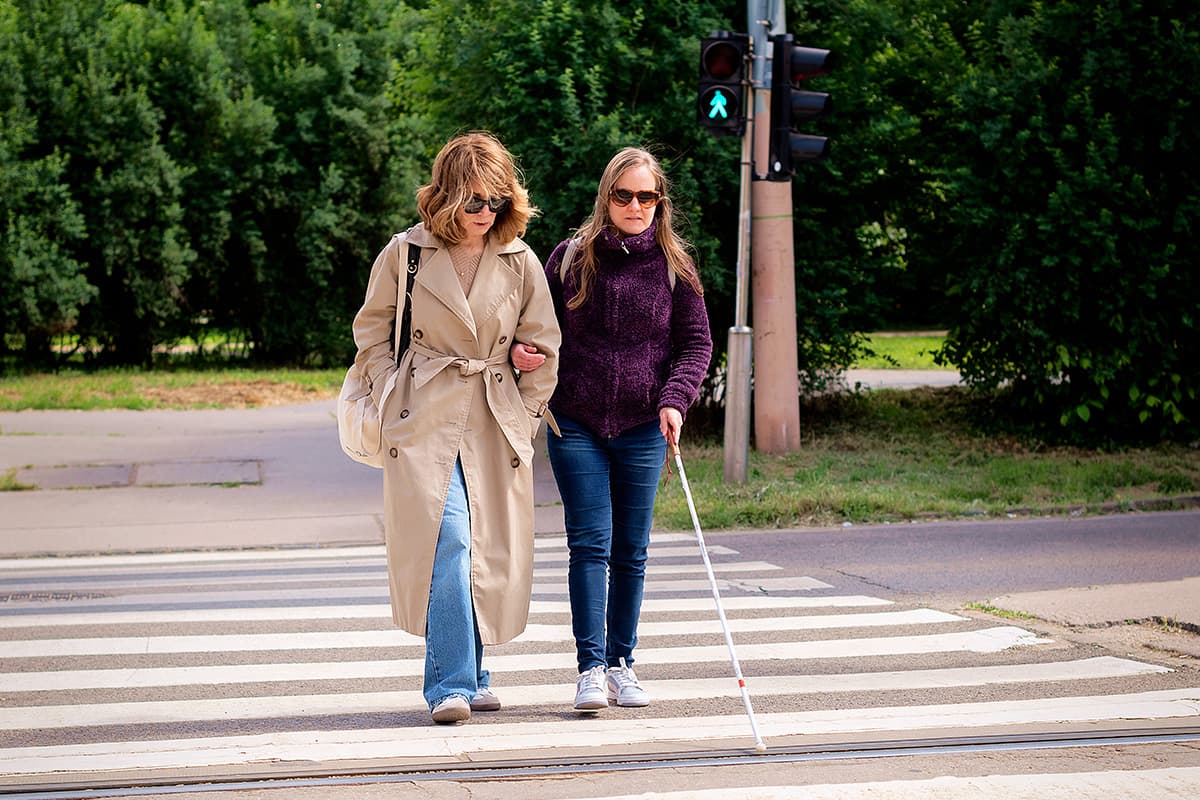
Gain knowledge and skills to work with students who are Deafblind in different environments, including the general education classroom, residential settings or home environments. Provide accommodations for increased access to information and environments.

Communication
Communication is a major barrier between students who are Deafblind and the rest of the society. Graduates will help students with Deafblindness develop and use different strategies, including assistive technology, to communicate.

Advocacy
Gain deeper understanding of students who are Deafblind and their needs, be at the forefront to advocate for mandated services delivery to the students and their families.
More info about this program
Ready to Take the Next Step?
Start your journey with Texas Tech today and unlock a flexible, career-focused education tailored to your needs. Have questions? We’re here to help!
College of Education
-
Address
Texas Tech University, College of Education, 3002 18th Street Lubbock, TX 79409 -
Phone
(806) 742-2377 -
Email
educ.webmaster@ttu.edu